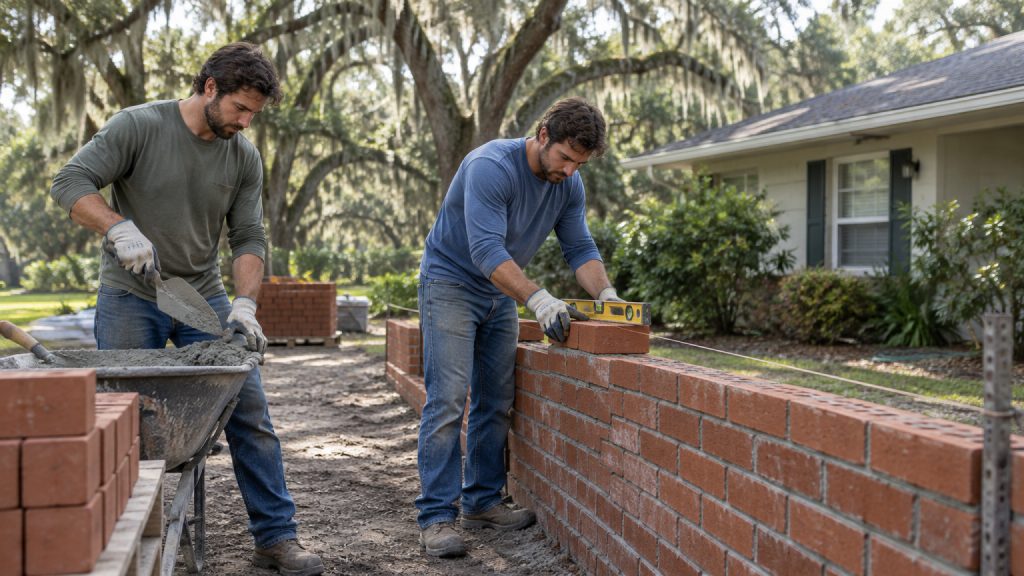
Dalton Brothers Masonry East Point
Masonry in East Point, GA
The mistake we often get called to fix in East Point is a downspout that empties right beside a brick step, with the red clay underneath doing the rest of the damage.
Call (470) 837-6333Our services in East Point
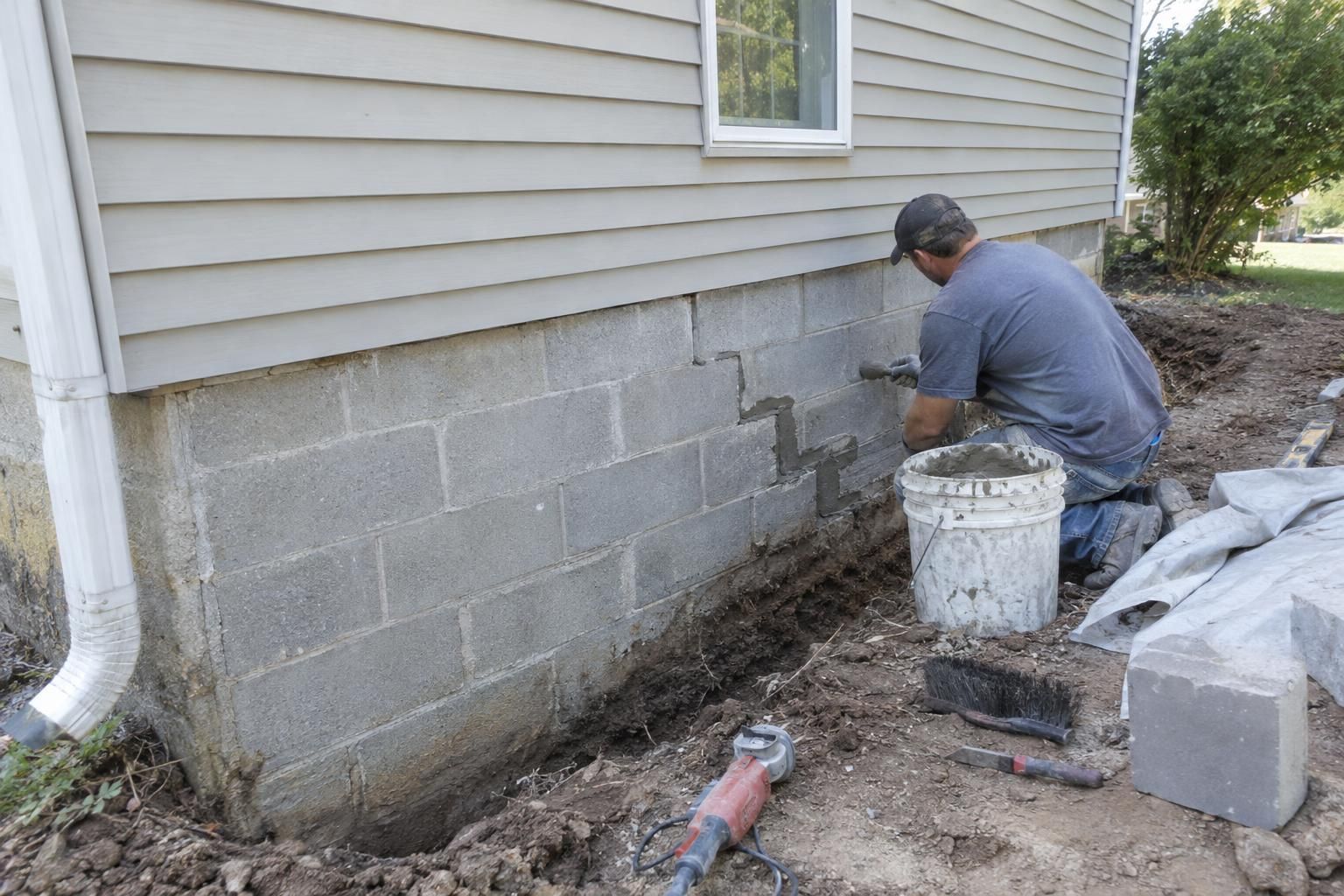
Block foundation repair
Cracked block under your house can usually be fixed without tearing the place apart. We repair stem walls and crawl space walls in Atlanta, and we start by working out why the wall moved.
Get a free estimate →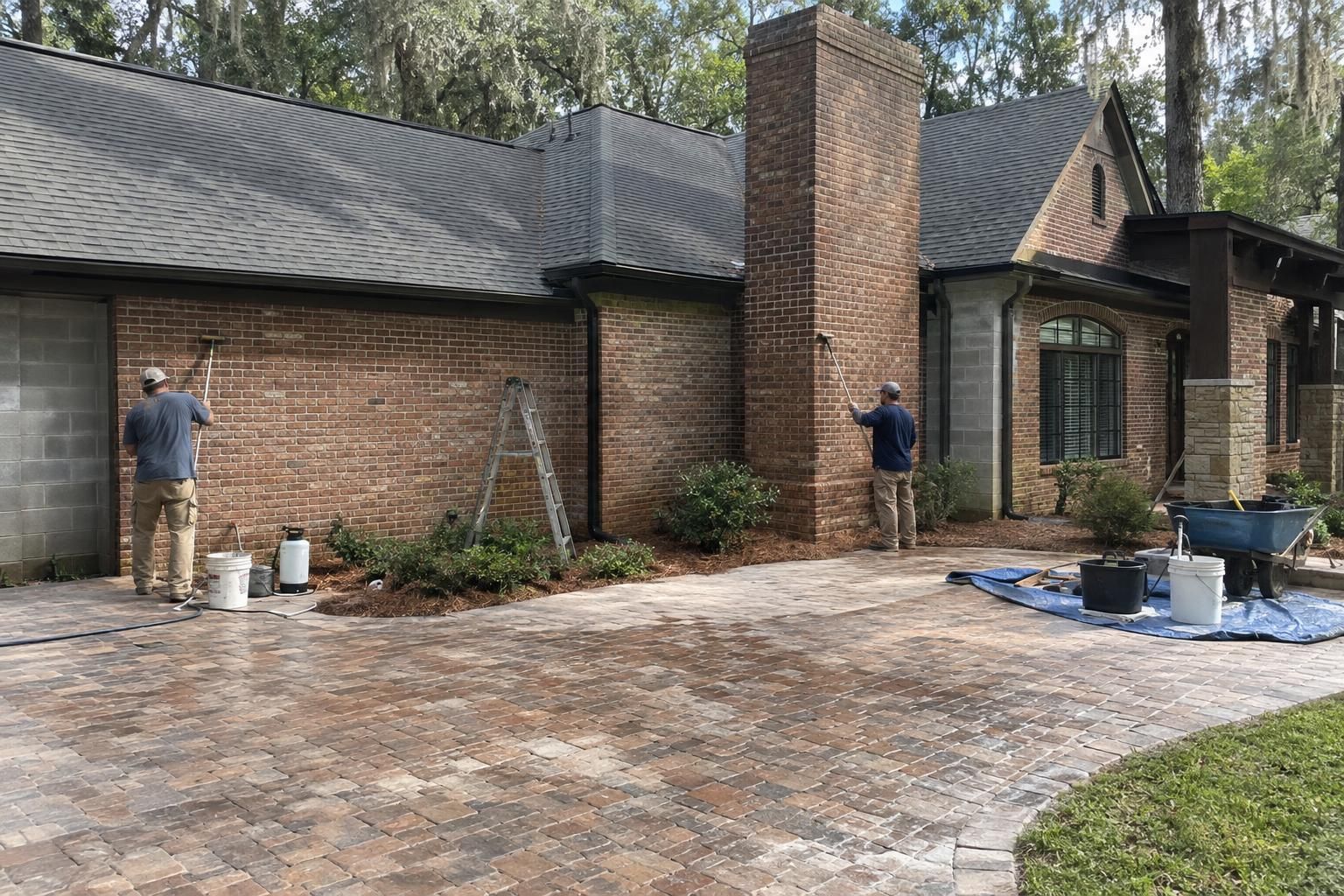
Brick and masonry sealing
Sealing is a clear water repellent that soaks into your brick, block, stone or pavers so rain beads off and the wall can still dry out.
Get a free estimate →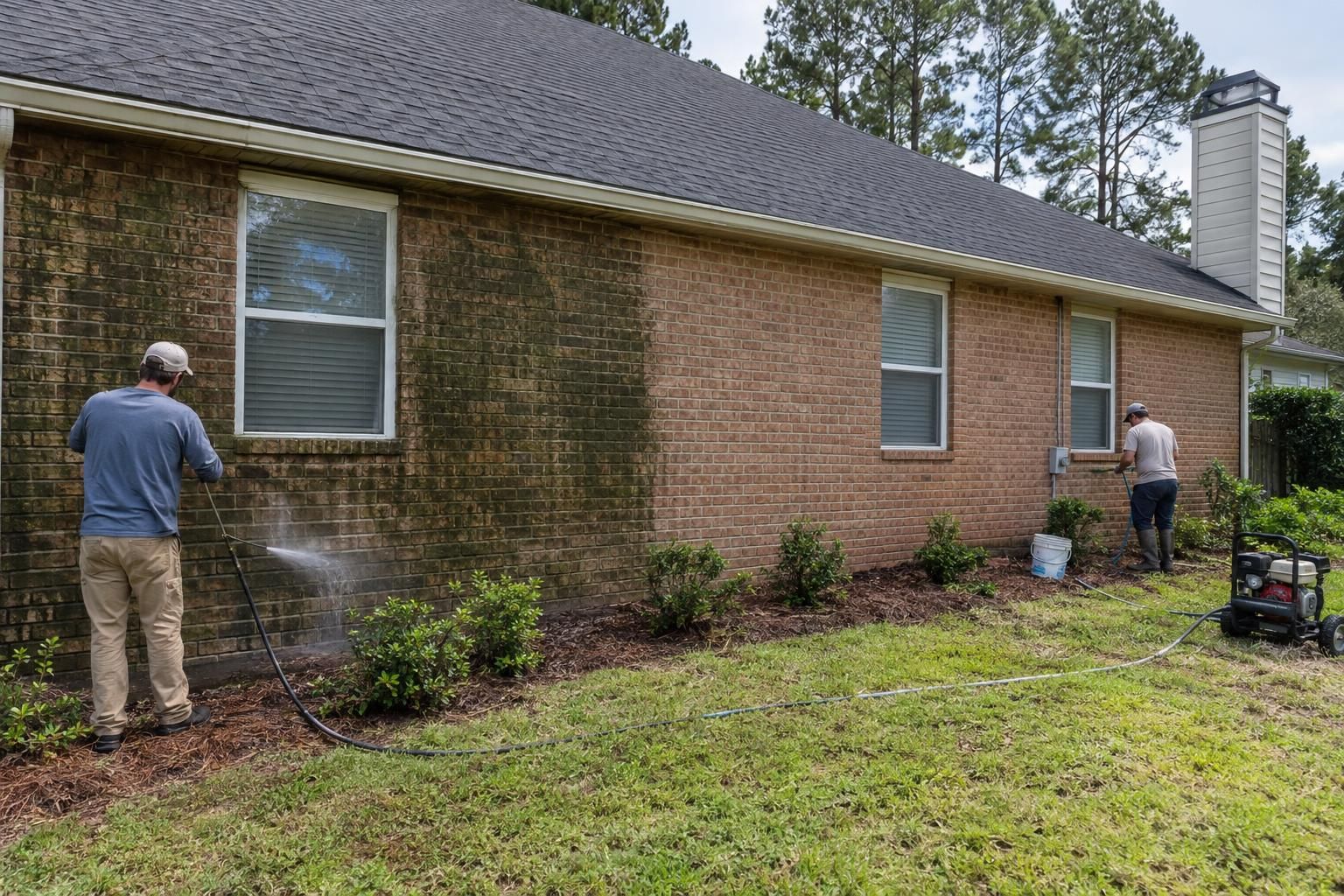
Brick cleaning and stain removal
Dirty brick usually isn't dirty all the way down, and we can clean it without hurting the face or the mortar.
Get a free estimate →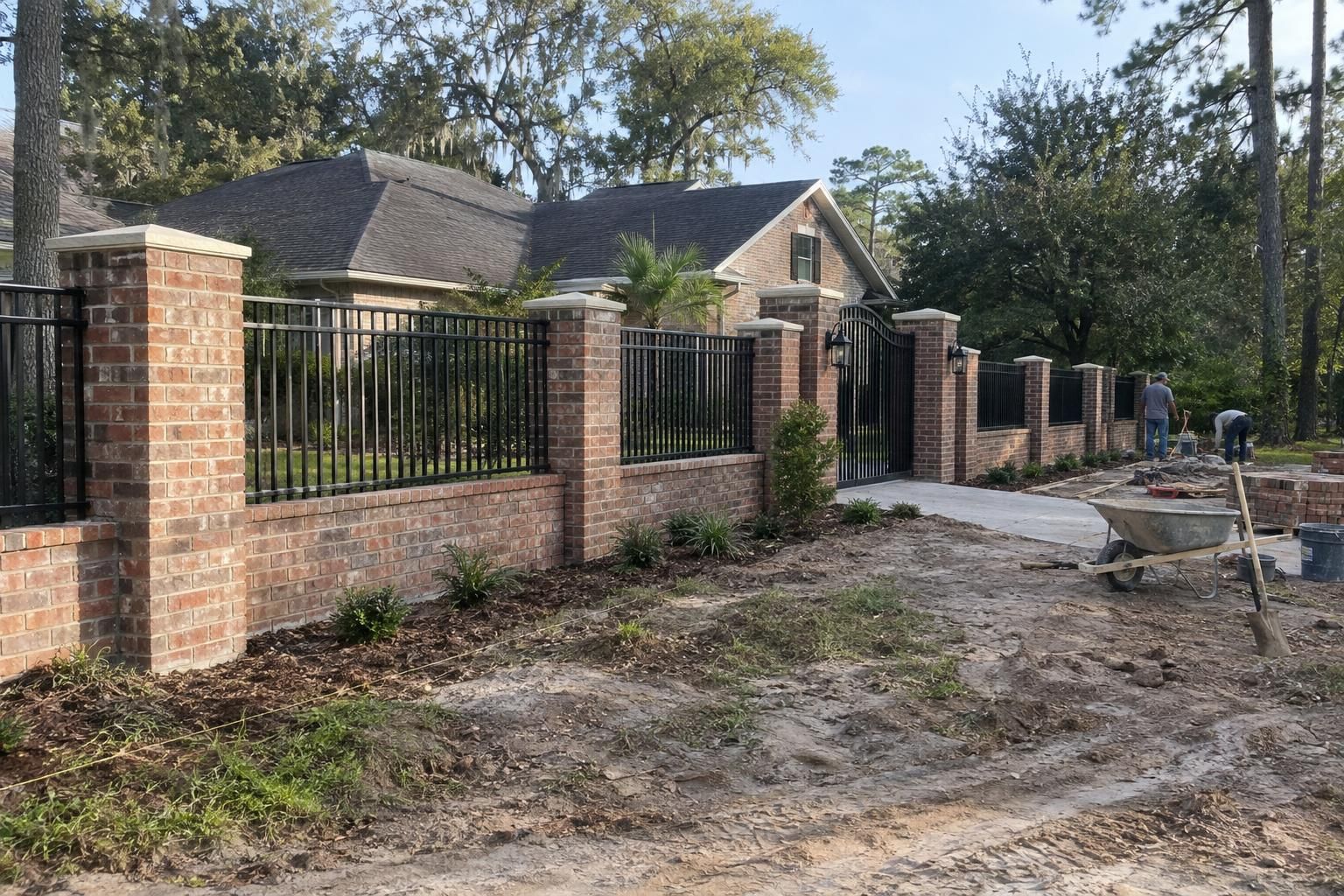
Brick fences and garden walls
A brick fence is the part of your yard that stays put long after the wood has gone gray and soft.
Get a free estimate →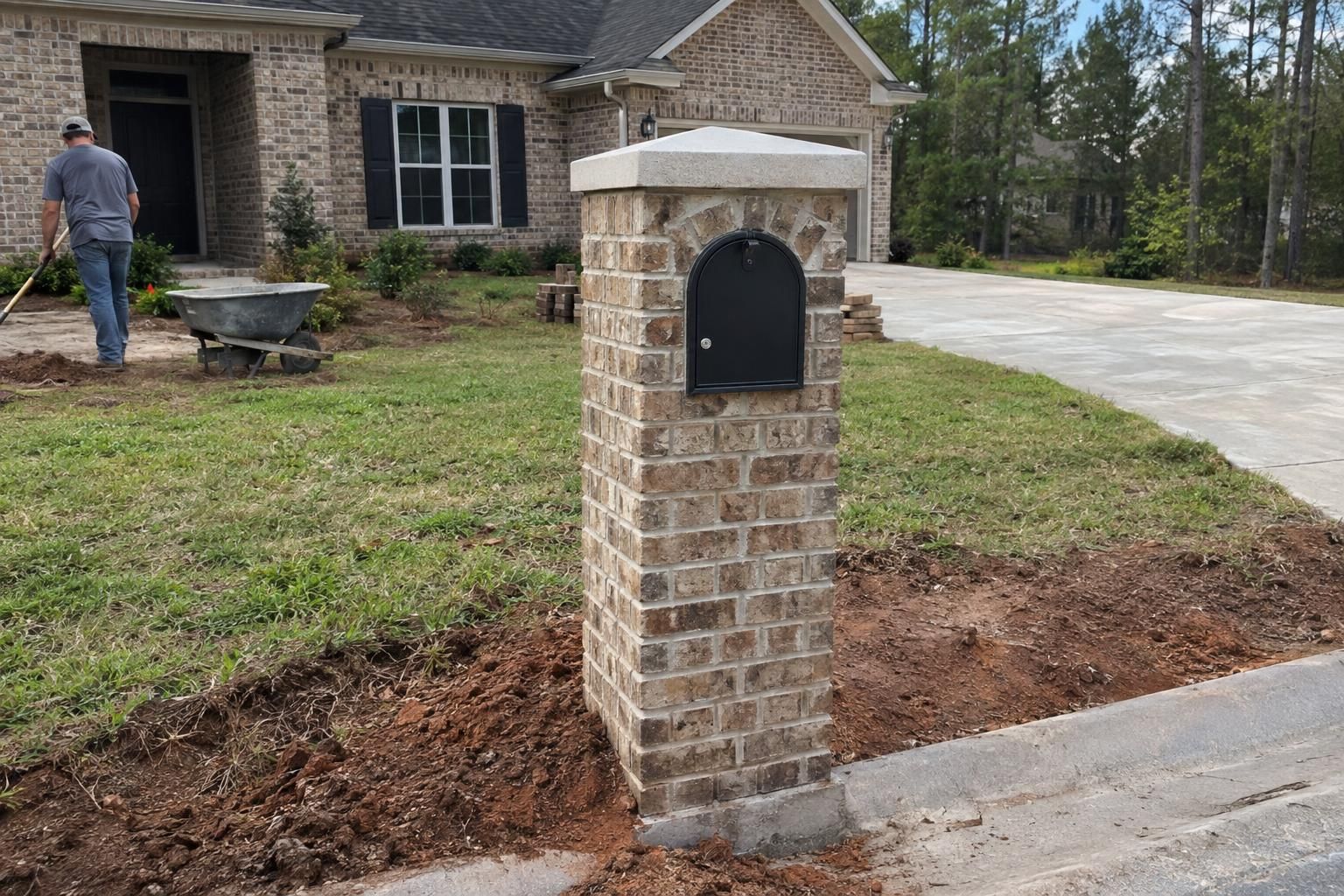
Brick mailboxes
A brick mailbox is the one piece of masonry everybody who visits your place passes on the way in. We build them to last, and we fix them when a bumper gets the better of one.
Get a free estimate →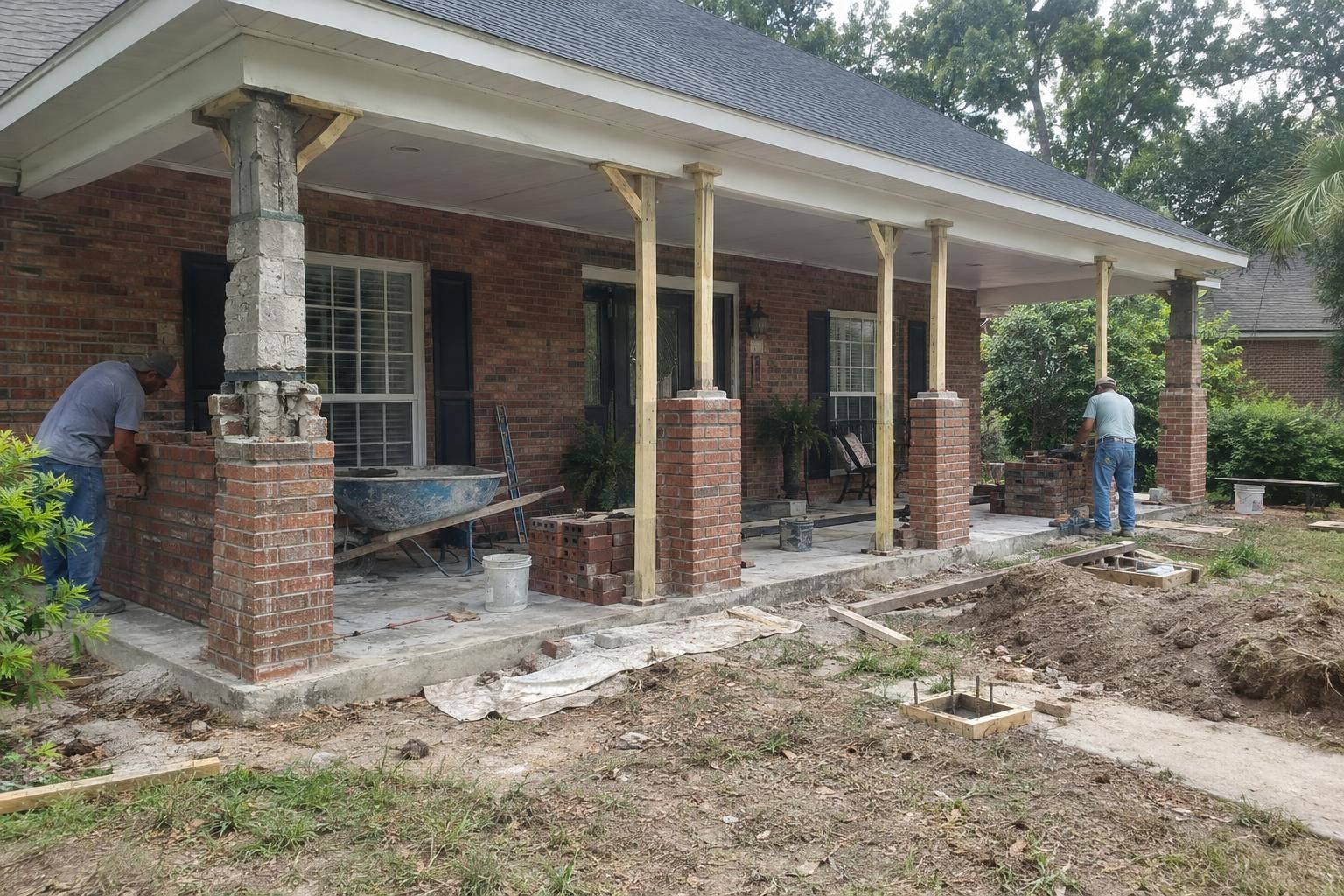
Brick porches and columns
Your porch columns hold up a roof, and the brick around them has been taking weather for a long time. We repair and rebuild them, and we plan every job around keeping that roof held.
Get a free estimate →We're Dalton Brothers, masons out of Atlanta. East Point sits about seven miles southwest of downtown Atlanta, and it's in Fulton County, which is ground we already cover. So it's a short drive for us. If your step has pulled away from the porch, or the bottom course of brick is flaking, we'll come look for free. We'll tell you what moved and why. And we'll tell you whether the fix is a rebuild or just new mortar. Sometimes the honest answer is to send the water somewhere else and leave the brick alone. Sometimes it isn't that easy. Either way, you'll hear it from a mason standing in your yard, not from a form letter.
What East Point does to masonry work
Start with the ground. The red clay of the Georgia Piedmont is typified by the Cecil series. It's very deep and well drained on ridges and side slopes, with a red subsoil that averages 35 to 60 percent clay. Clay isn't steady under load. It expands when saturated and contracts in dry stretches. A step or a short wall sitting on it gets pushed and pulled all year. Add a downspout aimed at the footing and you've sped the whole thing up. East Point has also made the news for this kind of trouble. In one neighborhood, homeowners dealt with stormwater erosion, and the city said the properties sit in a floodplain.
Then there's what's sitting on that clay. Most of the city's homes are from the 1950s and 1960s. That means a lot of brick and mortar that has been out in the weather for a long time. Mortar is meant to be the soft, sacrificial part of a wall. After this many years, plenty of joints have given up their job.
Now the weather. We don't have a separate East Point record, so we use Atlanta's, which is the closest one. Atlanta gets about 49.7 inches of rain a year. Late winter, early spring and July are the wettest stretches, and fall, especially October, is the driest. Overnight freezes can be expected on about 40 days a year. A normal July averages 80.9 degrees across day and night and brings 4.75 inches of rain. Wet brick that freezes will shed its face. That's why we look at water first and brick second.
The jobs we do most in East Point
- Step and stoop rebuildingFront steps take the roof runoff, the foot traffic and the clay swelling under them. We pull back the loose brick, check what the base is sitting on, and rebuild so the water has a way to leave. If the step is sound and just needs the joints redone, we'll say so.
- RepointingWith so many homes from the 1950s and 1960s, we see joints worn back past the point where they shed water. We rake out the old mortar with a grinder or by hand, depending on the brick, and pack in new mortar that's no harder than the brick around it. Then we tool the joints to match.
- Retaining wallsLots that slope and clay that holds water put a lot of weight behind a wall. We build or rebuild with drainage behind it, because a wall without drainage is just a dam. We also check the permit question before we price it, since taller walls bring in the city.
- Chimney repairWith roughly 40 freezing nights a year in Atlanta, a chimney crown or the joints near the top will crack and let water in. We look at the crown, the flashing line and the top few courses first. Those are usually where the trouble starts.
- Foundation and basement wall repairFarther from downtown you'll find brick ranch homes with garages and basements. A basement wall stands against wet clay on the other side. We look for stair-step cracks and for joints that have gone soft. Then we repair what's there and tell you where the water's coming from.
Homes and buildings we work on here
The neighborhoods around downtown have historic character, with bungalows, cottages and Cape Cod homes. Craftsman homes on small plots of land are part of the mix too. Out past those, you'll find larger brick ranches. There are also brick colonials with white columns and newer homes built more recently. We work on the masonry that comes with all of them. That means chimneys, porch steps, foundation walls, garden walls and brick veneer. A small bungalow with a brick stoop calls for a different hand than a ranch with a long retaining wall in back, and we adjust to fit.
The town's older public buildings show how long brick has been going up here. City Hall was built in 1930 and finished in 1931, and a 1960s annex was added in matching red brick. Washington Carver Homes, twenty buildings put up as public housing in 1951, was listed on the National Register of Historic Places in 2023. We bring them up because they show how wide the range of age is in East Point. A historic building gets a slower hand than a newer garage wall, and we treat the mortar and the brick that way.
Getting your estimate in East Point
It starts with a call or a message to us. We'll set a time, and we'll come out and look. Free means free. We start where the trouble usually starts, at the bottom of the wall or the base of the step. We check where the roof water lands and whether the ground slopes toward the brick or away from it. We'll scrape a few joints to see how deep the mortar has gone bad. Then we'll tell you what we found in plain words.
Some jobs need a permit, and we'll say so up front. East Point runs its own permits. The Permits Division takes applications, coordinates plan review and issues permits for construction and renovations inside the city. The city has an application that covers steps, porches, decks and ramps, and permits are issued to whoever is doing the work, whether that's the homeowner, a contractor or a specialty trade. We'll tell you what the job calls for before any brick comes down.
For East Point businesses
If you own a shop, run an office, or manage rental property in East Point, brick is probably holding up more of your building than you think. The old industrial buildings on the east side of Main Street are described in a city redevelopment plan as a National Register historic district. The district's buildings are mostly rectangular brick structures with large segmental-arched windows. One of them has an exposed concrete frame with brick infill panels. Those arches and infill panels are where we look first for loose brick and failed joints. We also look at the lintels over openings and at the base of walls where parking lot and roof runoff end up. For landlords and property managers, we'll write up what we find so you can sort repairs by what's urgent and what can wait. The city has separate building permit applications for commercial rehab work, and we'll tell you if your repair needs one. We'll work around your tenants and customers as best we can.
East Point questions we hear
Why is the bottom row of brick on my house crumbling?
Nine times out of ten, it's water. A downspout dumps at the wall, or the soil has been built up against the brick, and the clay holds the moisture there. The brick stays wet, freezes and sheds its face. We'll find the water source first, because new brick won't last if the cause is still there.
Do I need a permit to rebuild my steps or a wall in East Point?
Maybe. East Point has its own application for steps and porches, and its own Permits Division at 2757 East Point Street. Fulton County and the City of Atlanta both draw a line at 4 feet for retaining walls, but East Point issues its own permits. So we check with the city on your wall before we price it.
When's the best time of year to have masonry work done?
Fall tends to be easiest, since October is Atlanta's driest month. But we don't wait for it if water's getting into your house. Mortar doesn't like a hard freeze while it's fresh, so we plan around cold nights in winter.
Can you match the brick on my 1950s or 1960s house?
We'll get as close as the brick allows. We bring samples, hold them up against the wall in daylight and pick the nearest. Old brick varies from batch to batch, so a perfect match isn't always possible. We'll tell you before we start if there will be a visible difference.
What does it cost to have you come out?
Nothing. The estimate is free, and we're about seven miles from downtown East Point. There's no charge to look and no pressure afterward. If it turns out you don't need a mason, we'll say that too.
Local details checked against: eastpointcity.org, homes.com, en.wikipedia.org, en.wikipedia.org, mapquest.com, npgallery.nps.gov