It starts with a look
We need to see the work and measure it. Photos help us get ready, but they don't replace the visit.
Dalton Brothers Masonry Atlanta
Pick the job you're looking at. We'll show you what moves the number.
You won't find a price list here, and that's on purpose. Two jobs that sound the same on the phone can be a long way apart once we see them. A cracked step might be one loose brick or a footing that's sinking. Anyone who quotes that sight unseen is guessing with your money.
So each guide does something more useful. It tells you what actually drives the cost of that job: how big it is, what it's made of, how hard it is to reach, and whether we're repairing what's there or building new. Read the one for your job and you'll know what we're going to look at, what to ask, and why one quote can come in higher than another.
When you're ready for a real number, the estimate is free. We come out, look, measure and tell you.
We need to see the work and measure it. Photos help us get ready, but they don't replace the visit.
You should see what goes in, not just a total. If we're matching old brick or stone, we say how.
Height, tight lots and anything we have to protect or move add time. We tell you up front.
Where there's a cheaper fix and a longer-lasting one, you hear both and choose.
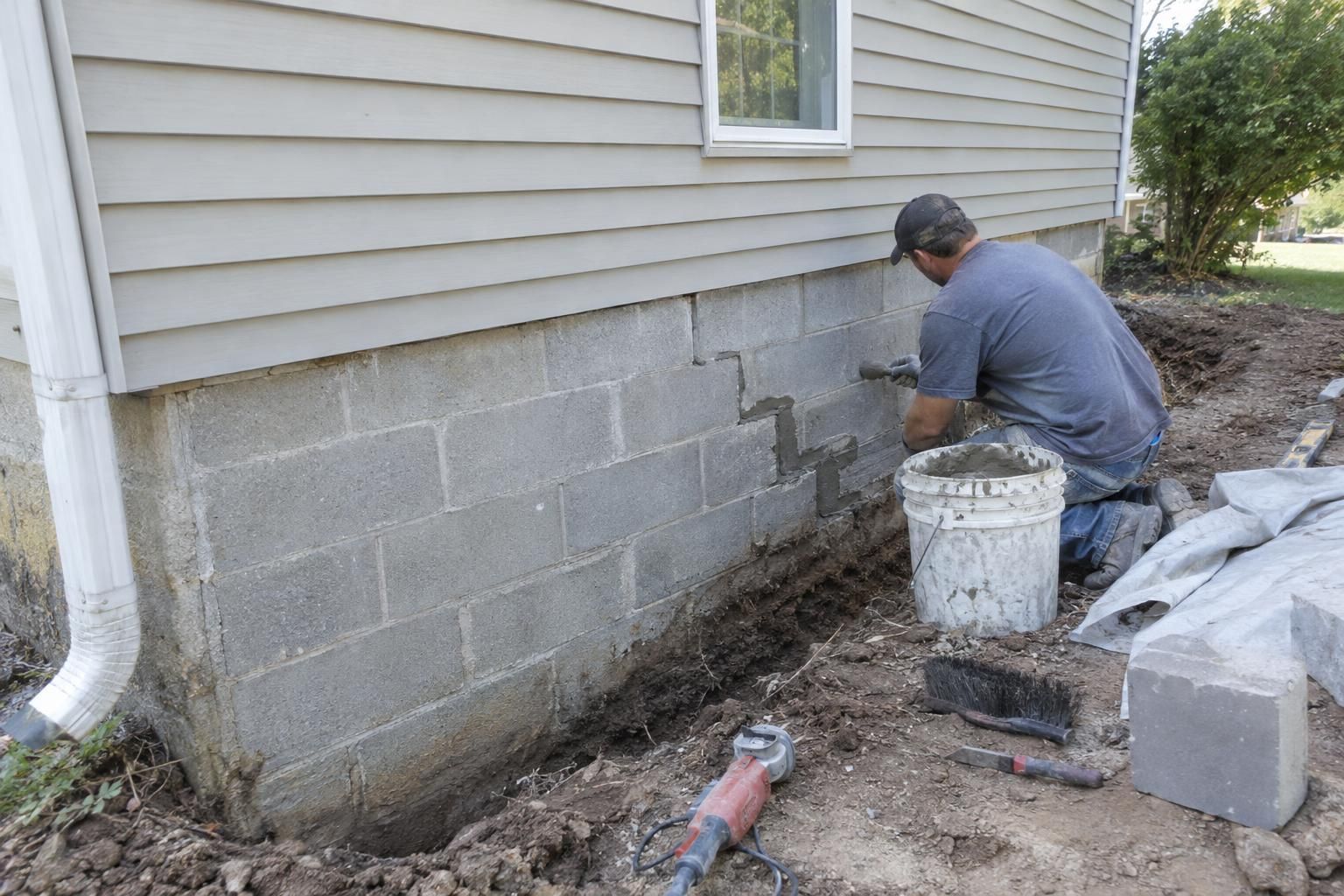
Price follows how much wall we're fixing.
What drives the cost →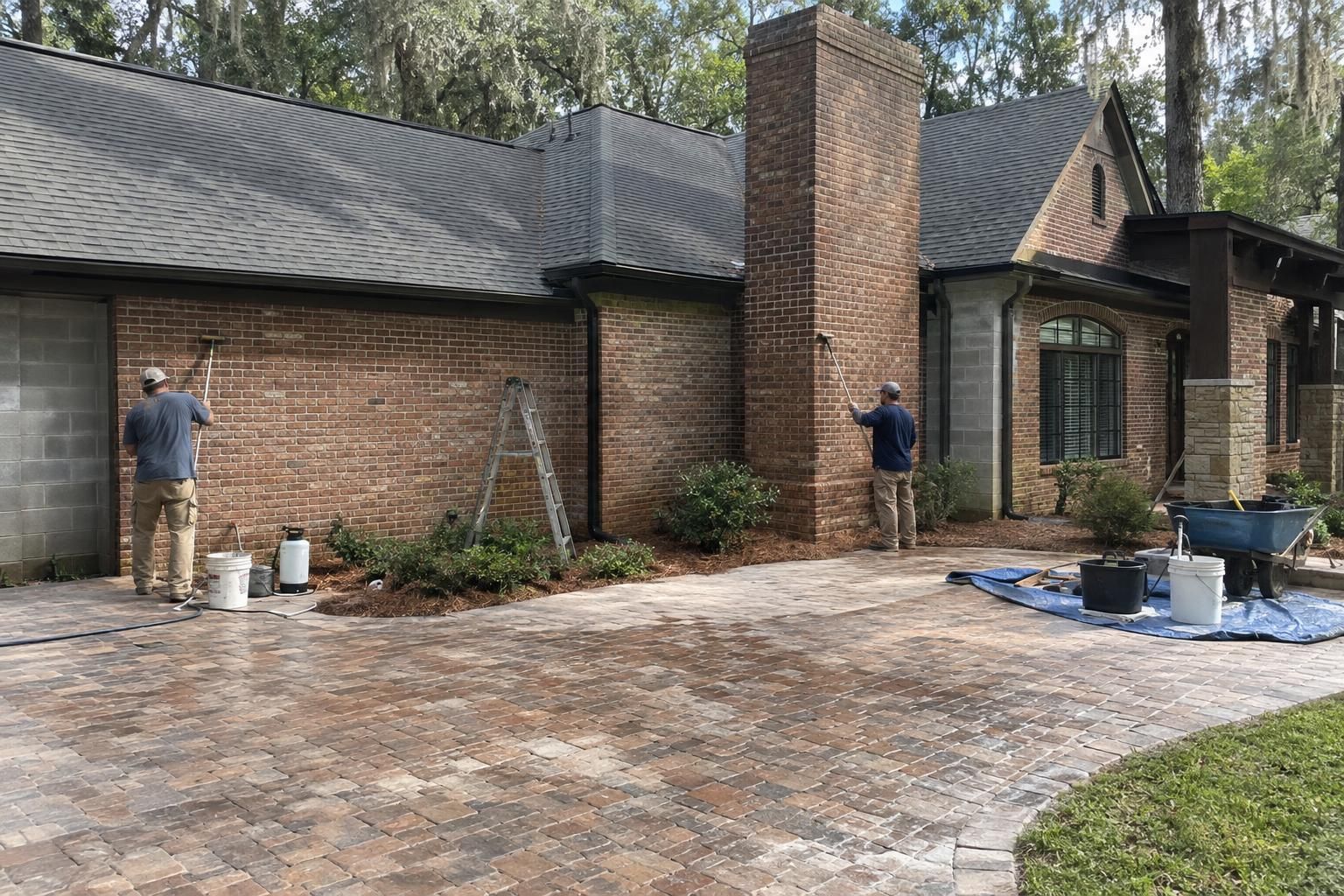
Area comes first, since more wall means more sealer and more time on the ladder.
What drives the cost →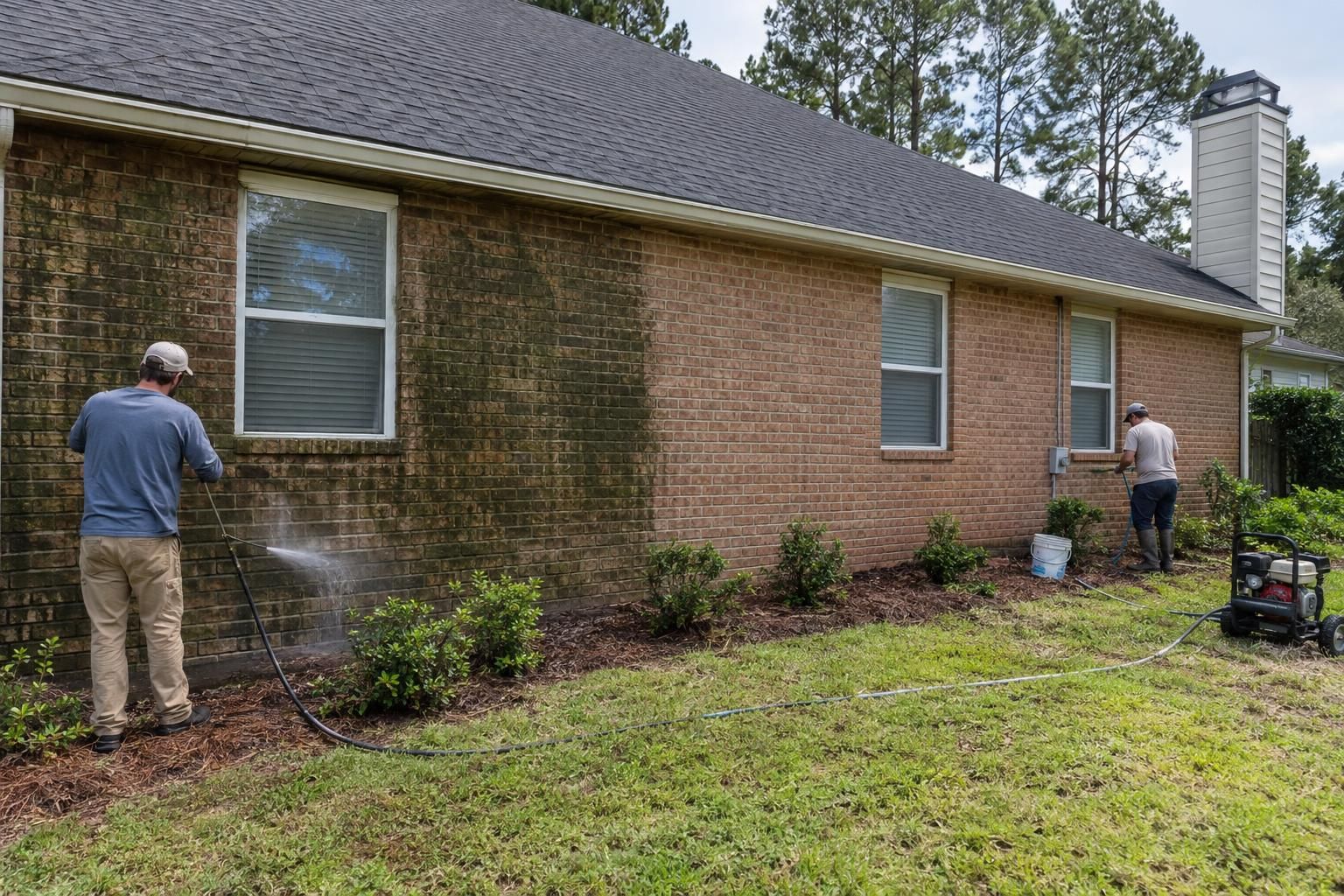
Price comes down to a few things.
What drives the cost →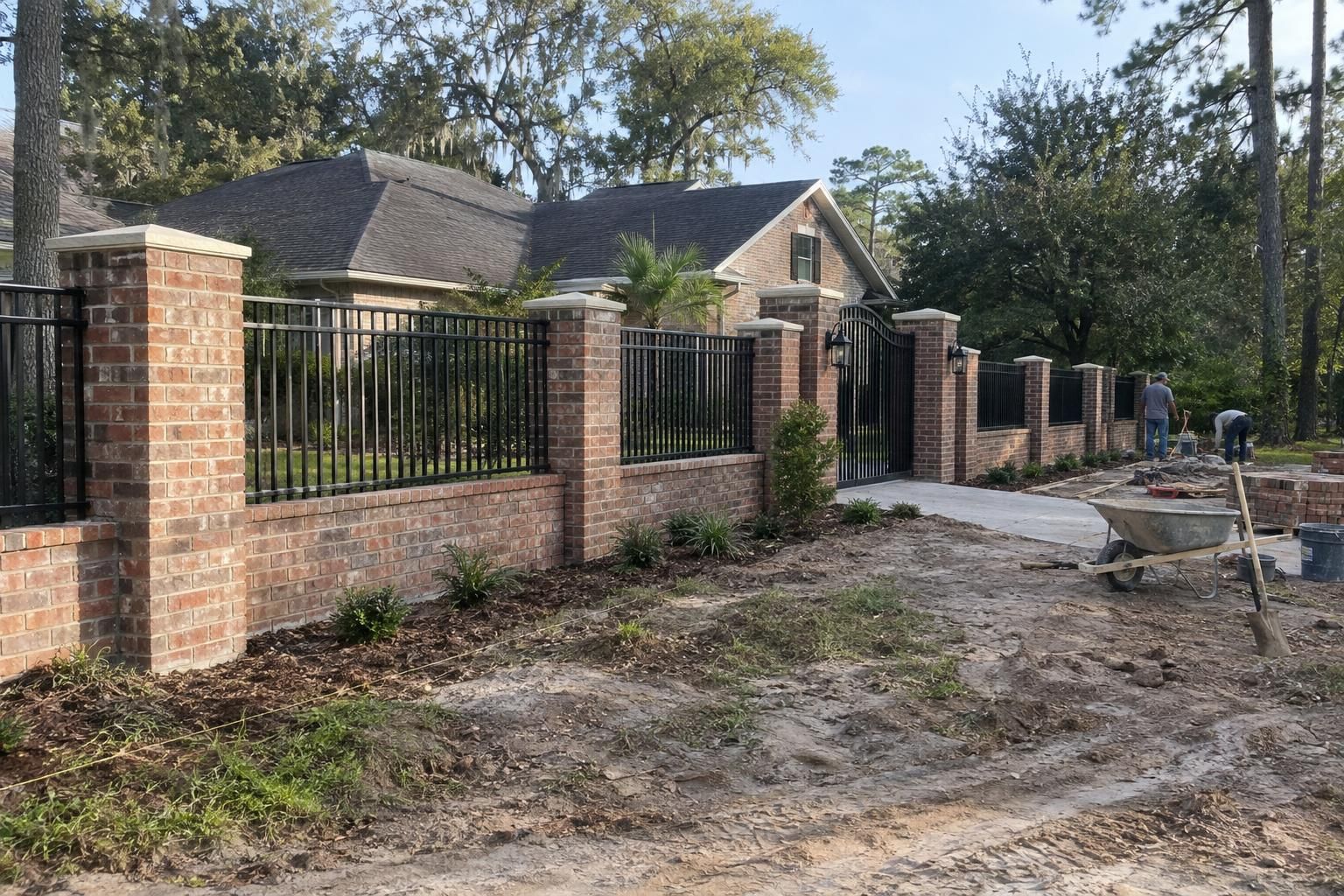
Price comes down to how much brick we lay and how hard it is to lay it.
What drives the cost →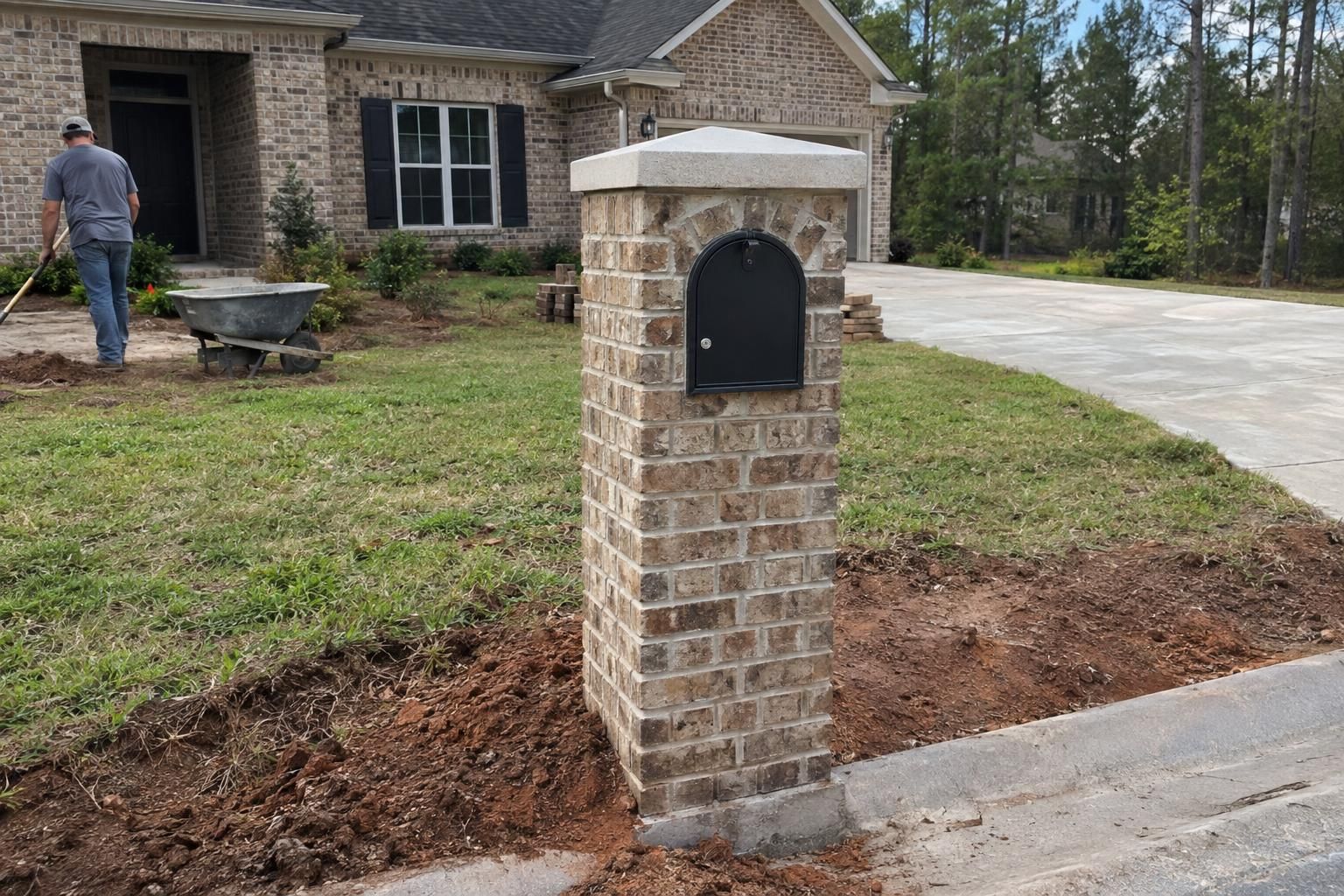
Price follows the size of the pier and the style you pick.
What drives the cost →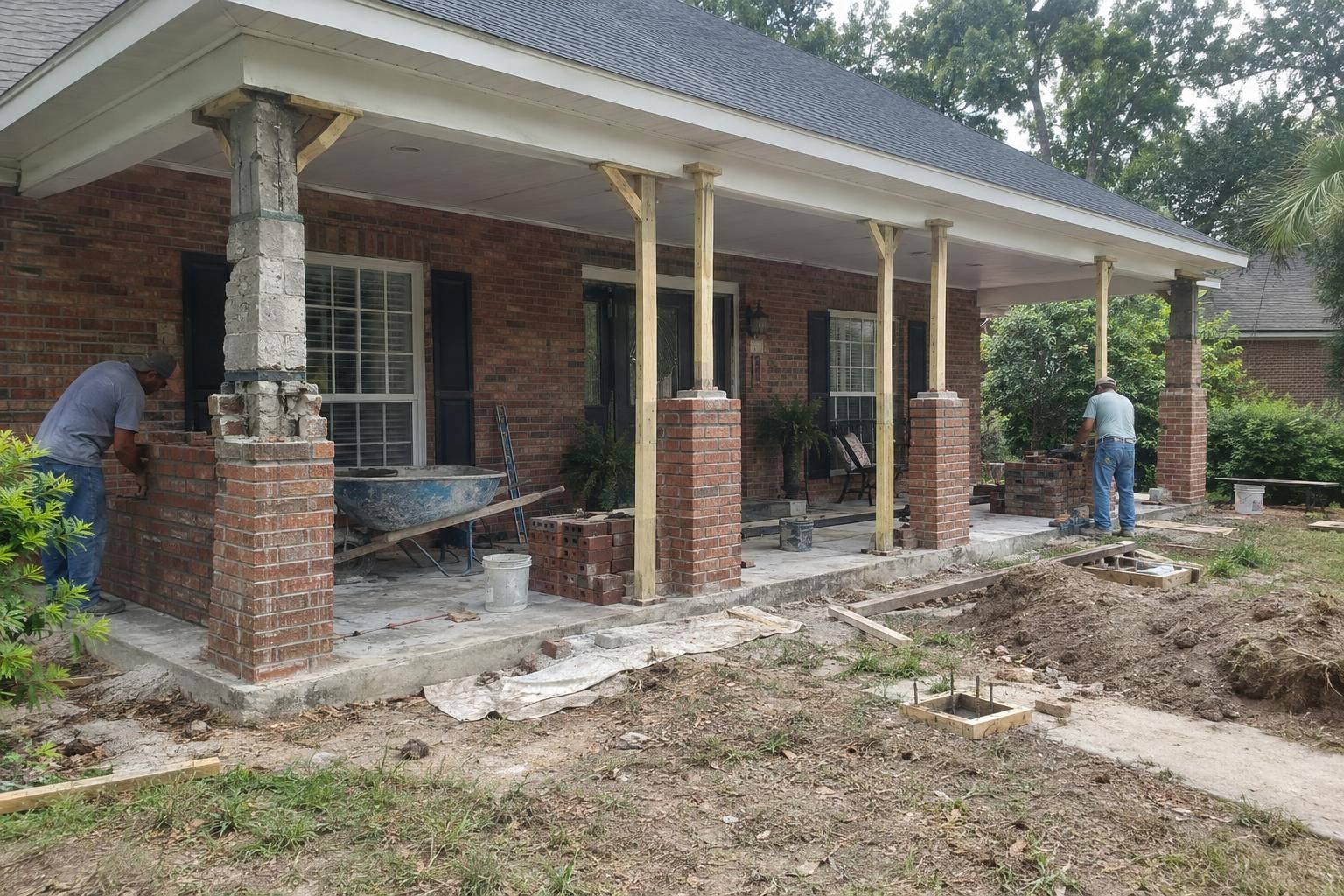
The biggest things are the number of columns and how tall they are, since more brick and more scaffolding take more time.
What drives the cost →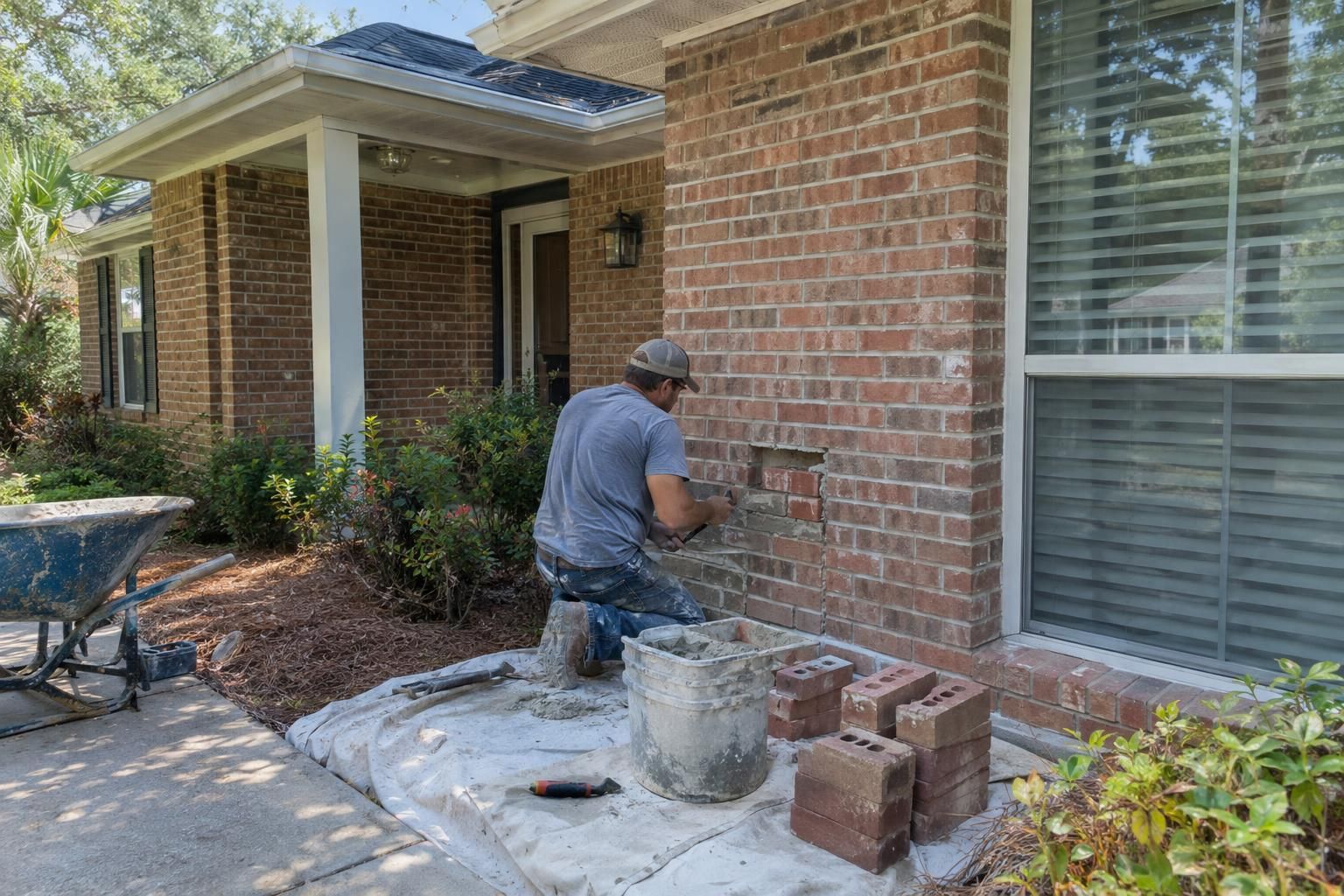
Price follows the work and the access.
What drives the cost →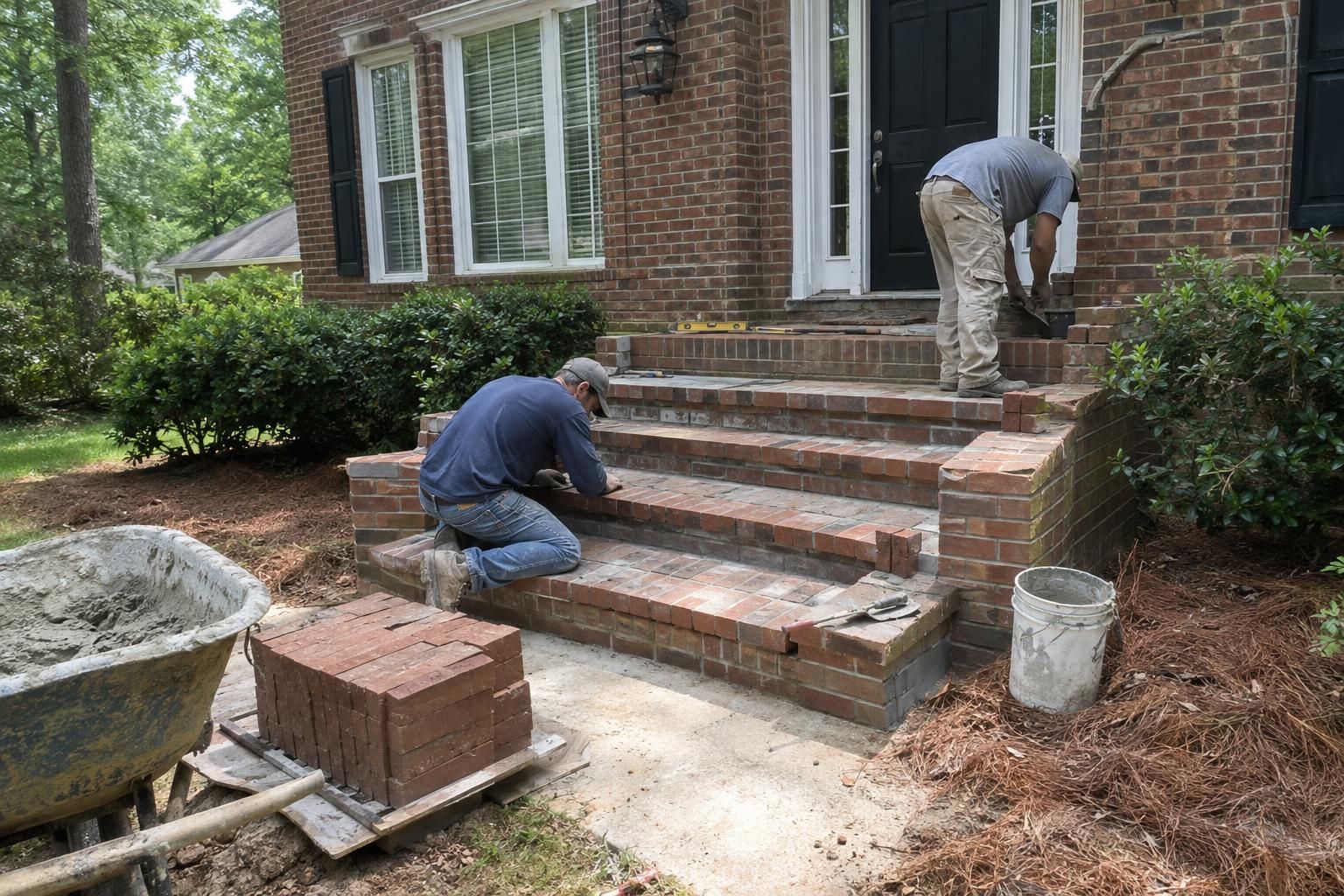
Price follows the work under the brick as much as the brick itself.
What drives the cost →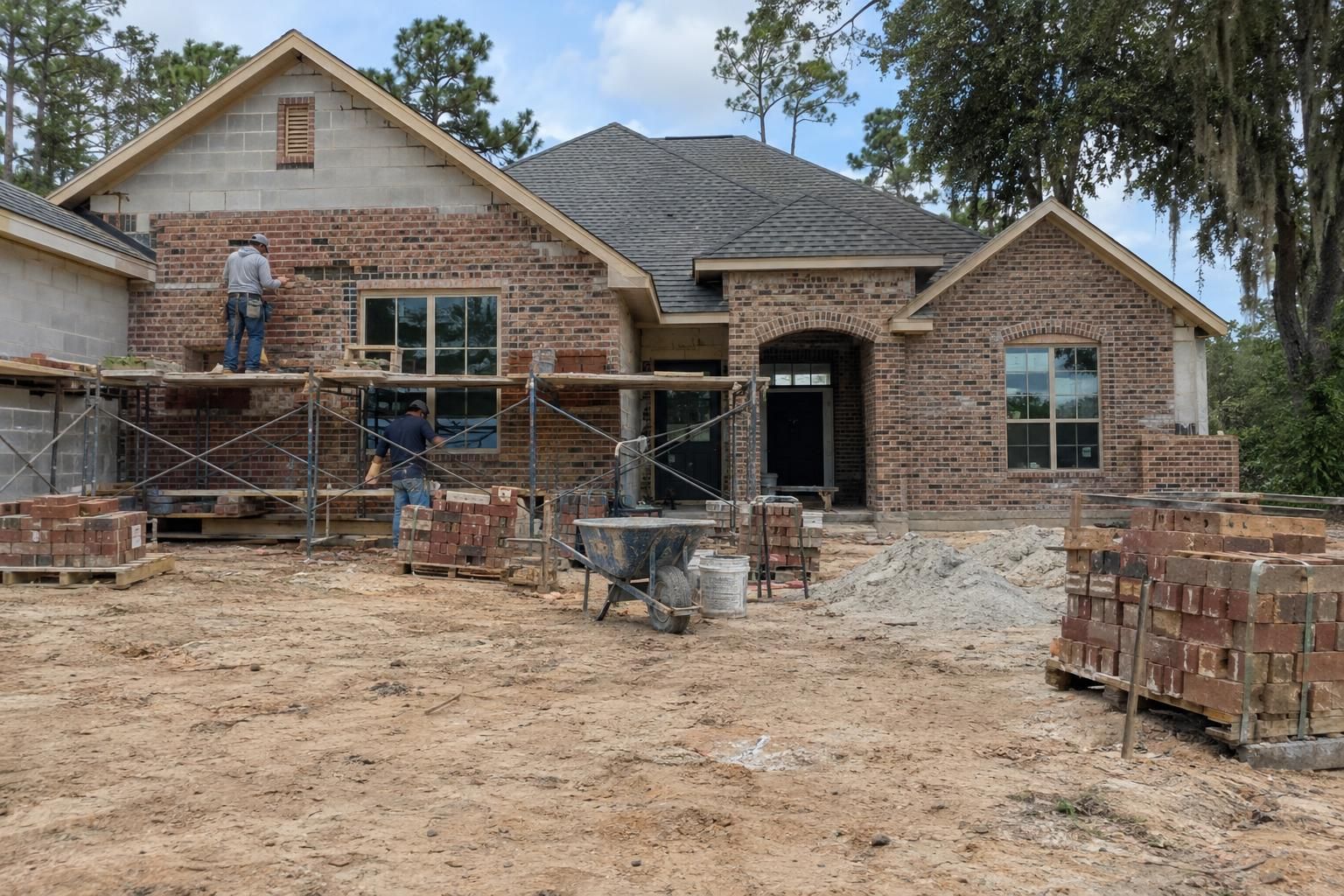
The biggest driver is wall area, because every square foot needs brick, mortar and hands to lay it.
What drives the cost →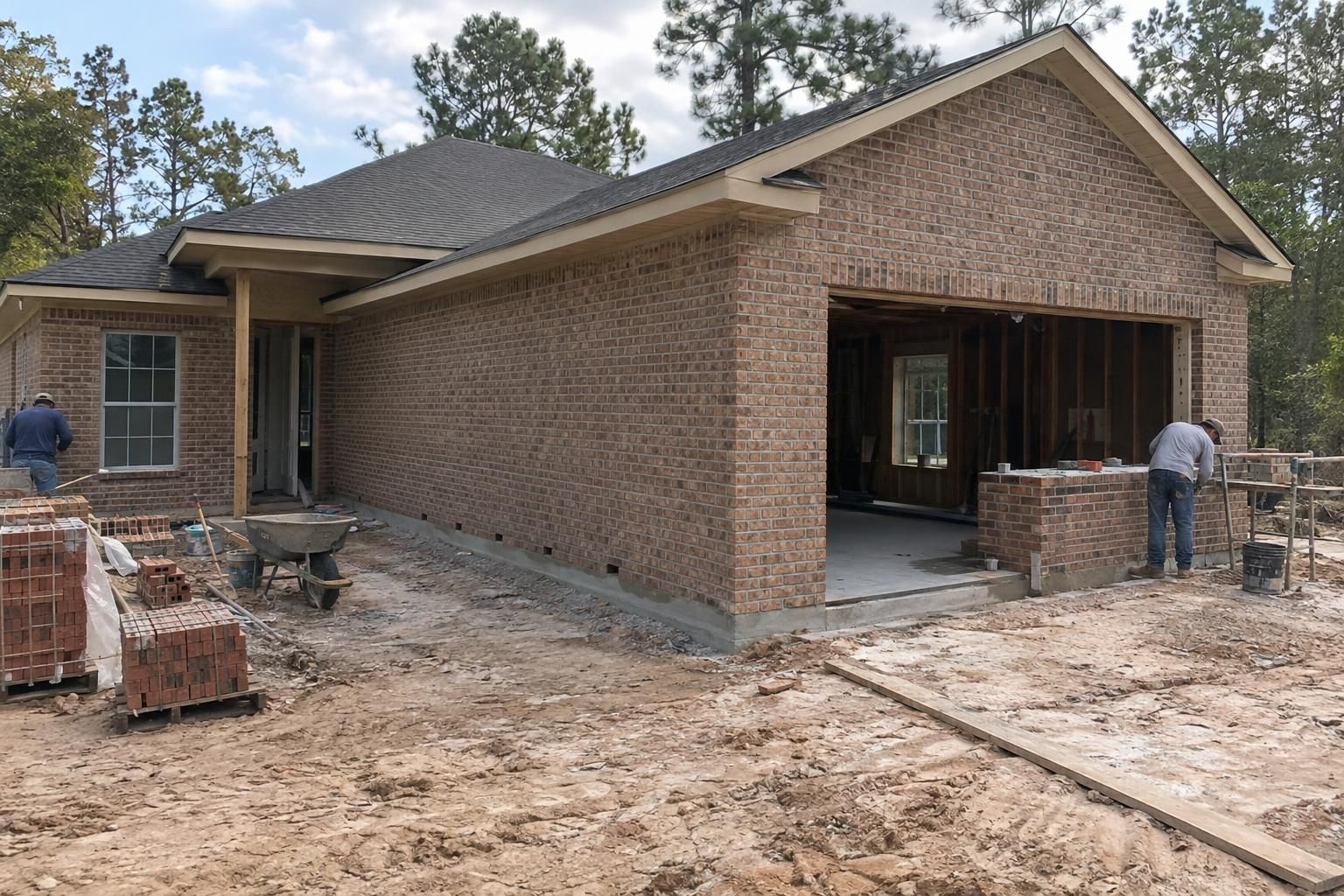
A few things move the price more than anything else.
What drives the cost →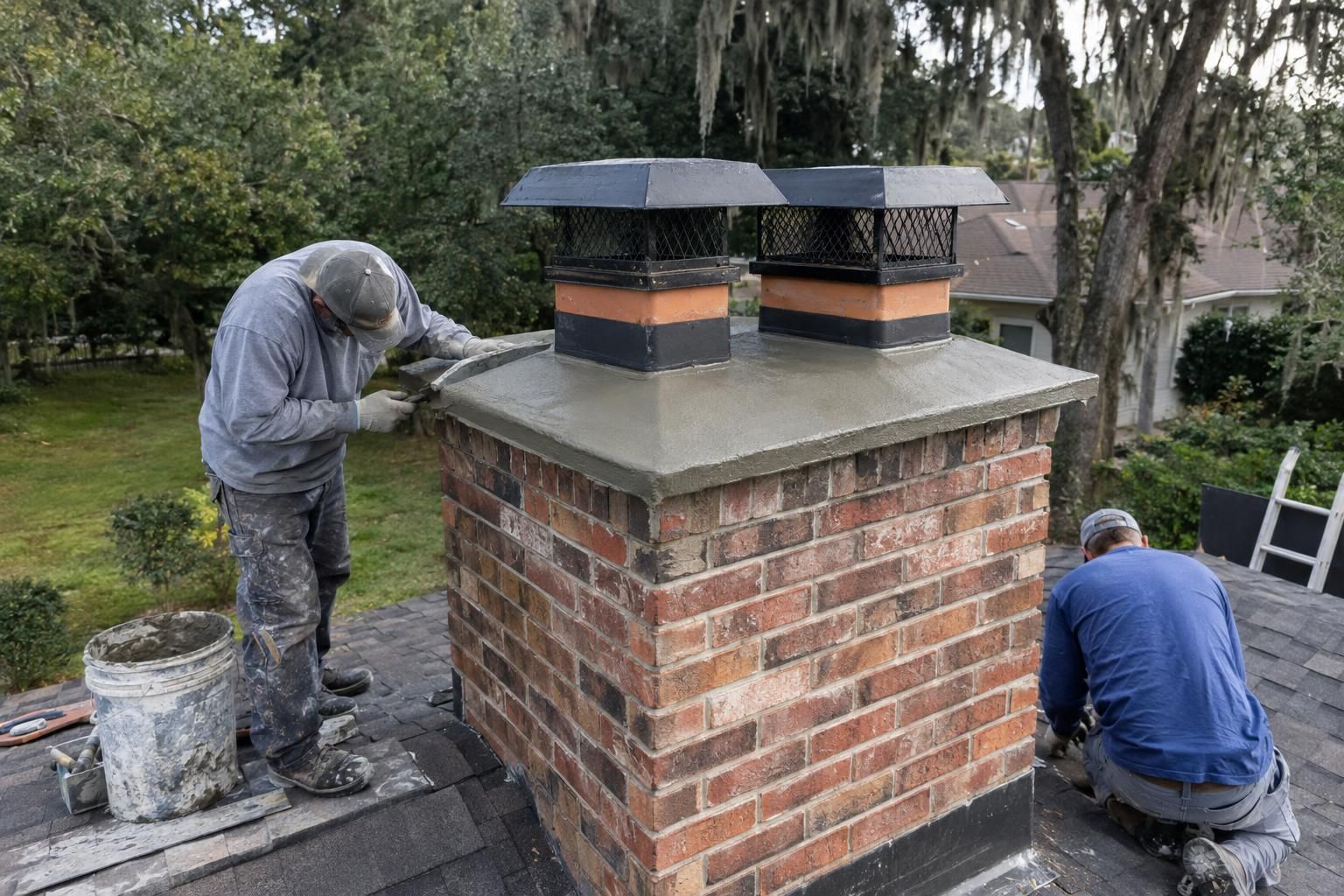
Price follows the size of the job.
What drives the cost →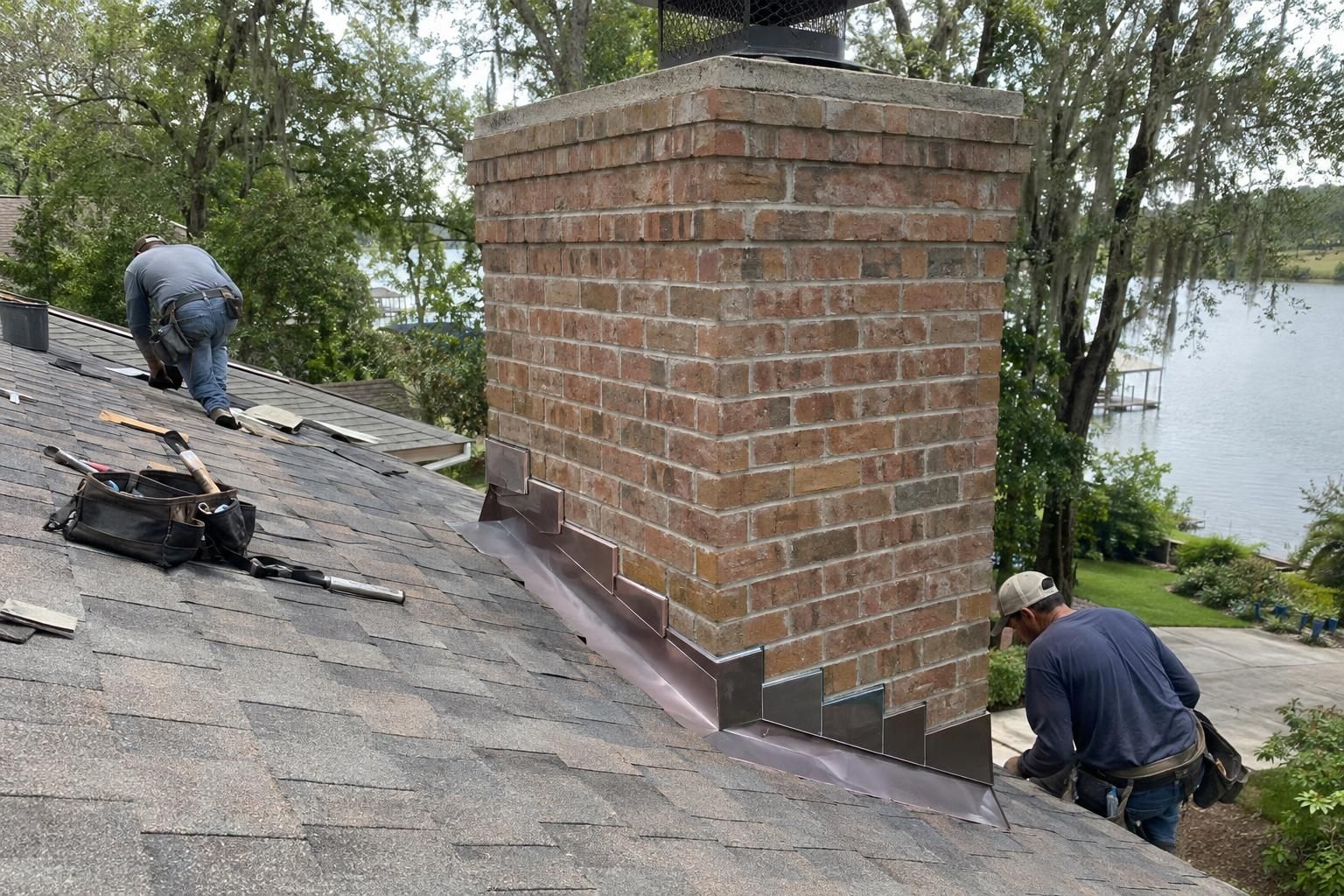
Price follows the source of the leak.
What drives the cost →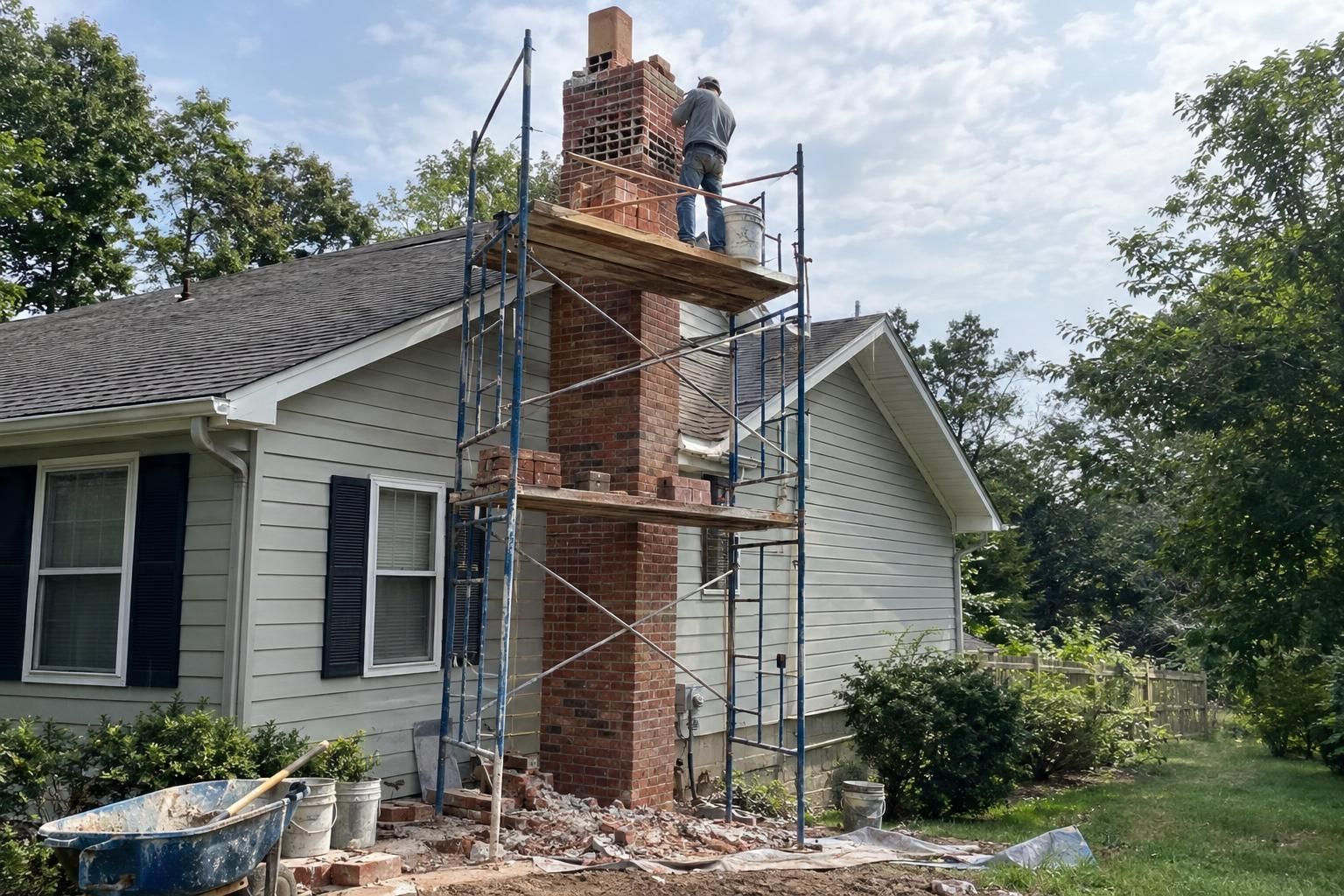
The biggest thing is how far down the rebuild goes.
What drives the cost →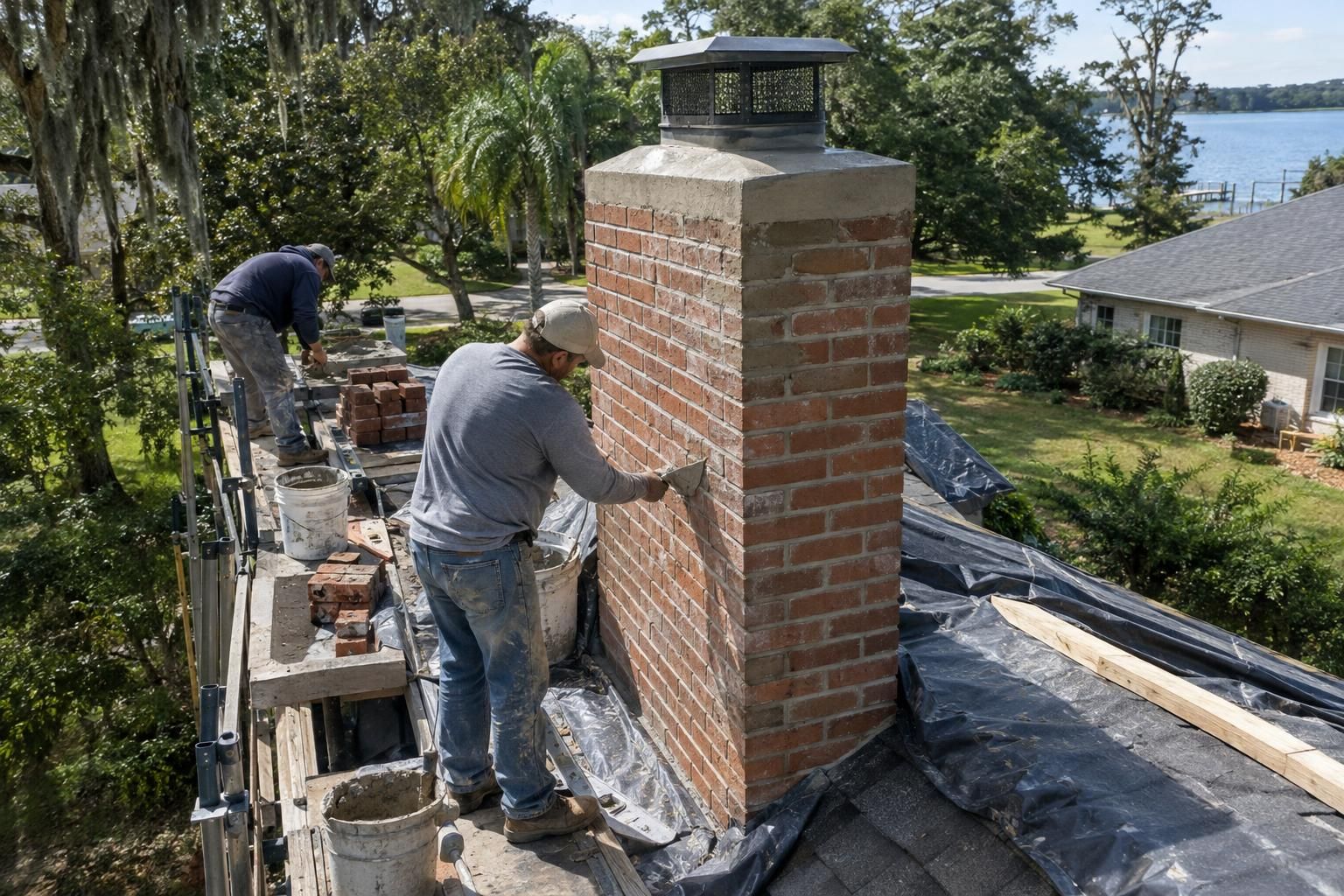
Height is the first thing we look at, since a taller chimney means more staging and more climbing.
What drives the cost →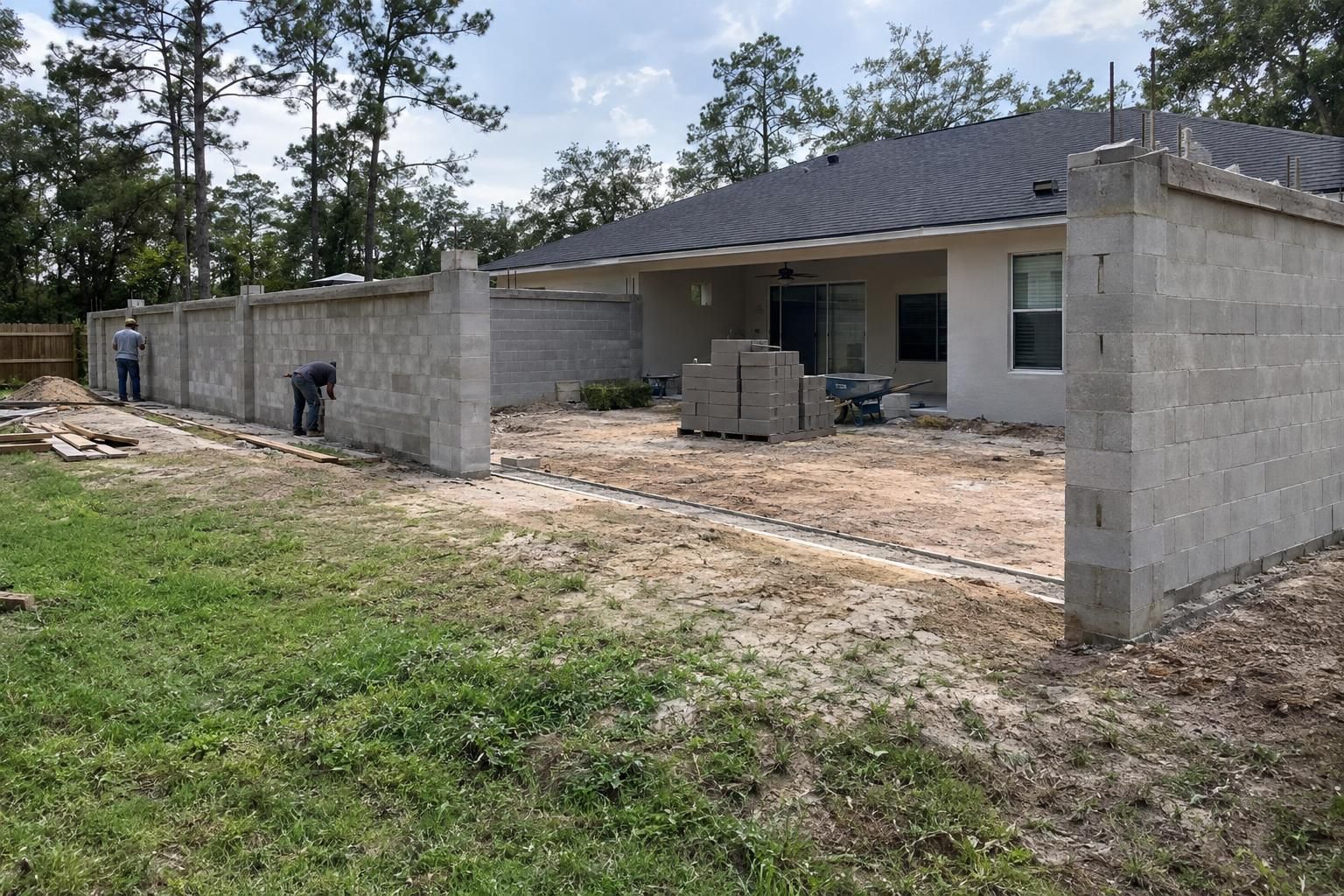
Price follows the wall.
What drives the cost →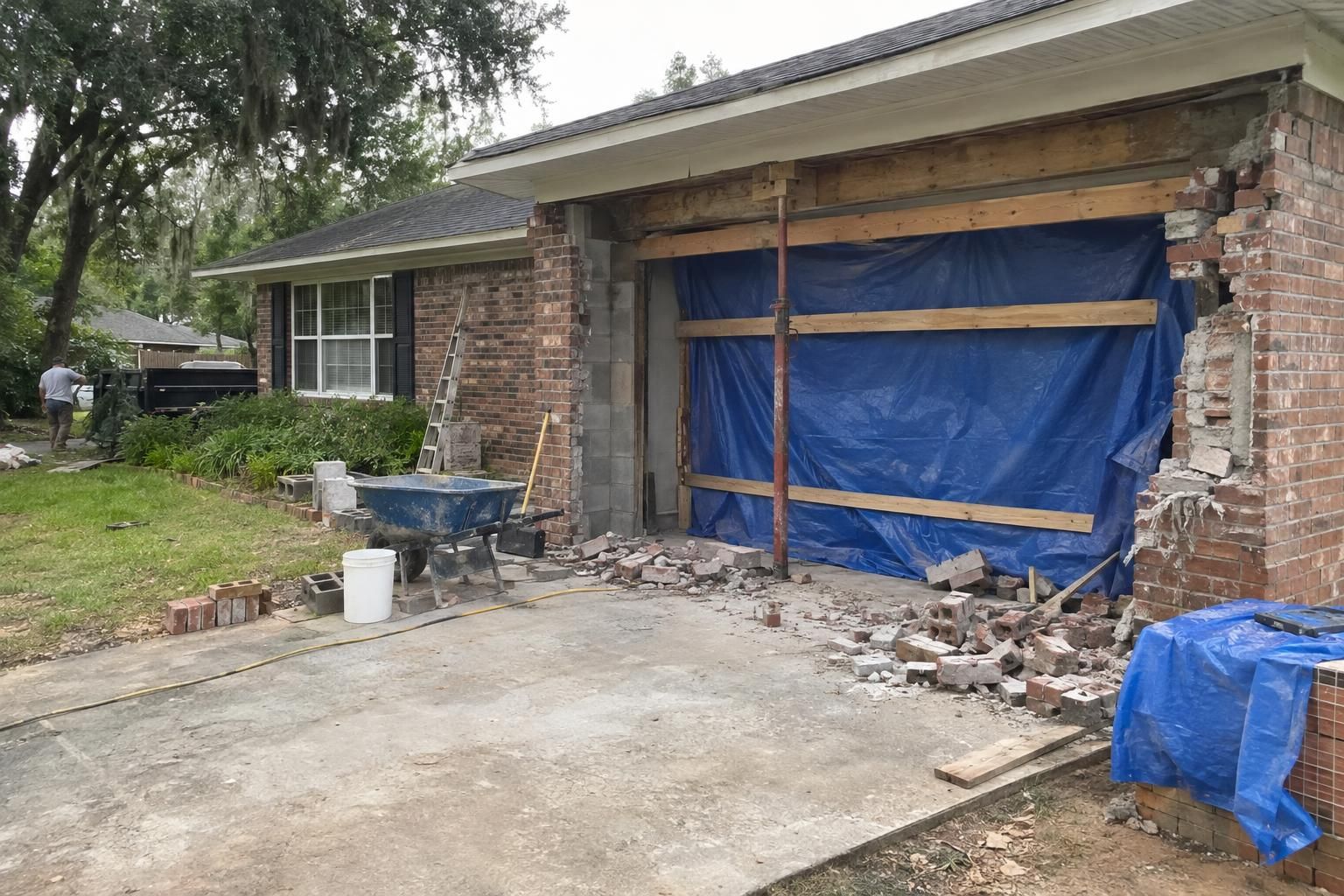
Price follows how much came down and how hard it is to hold up what's left.
What drives the cost →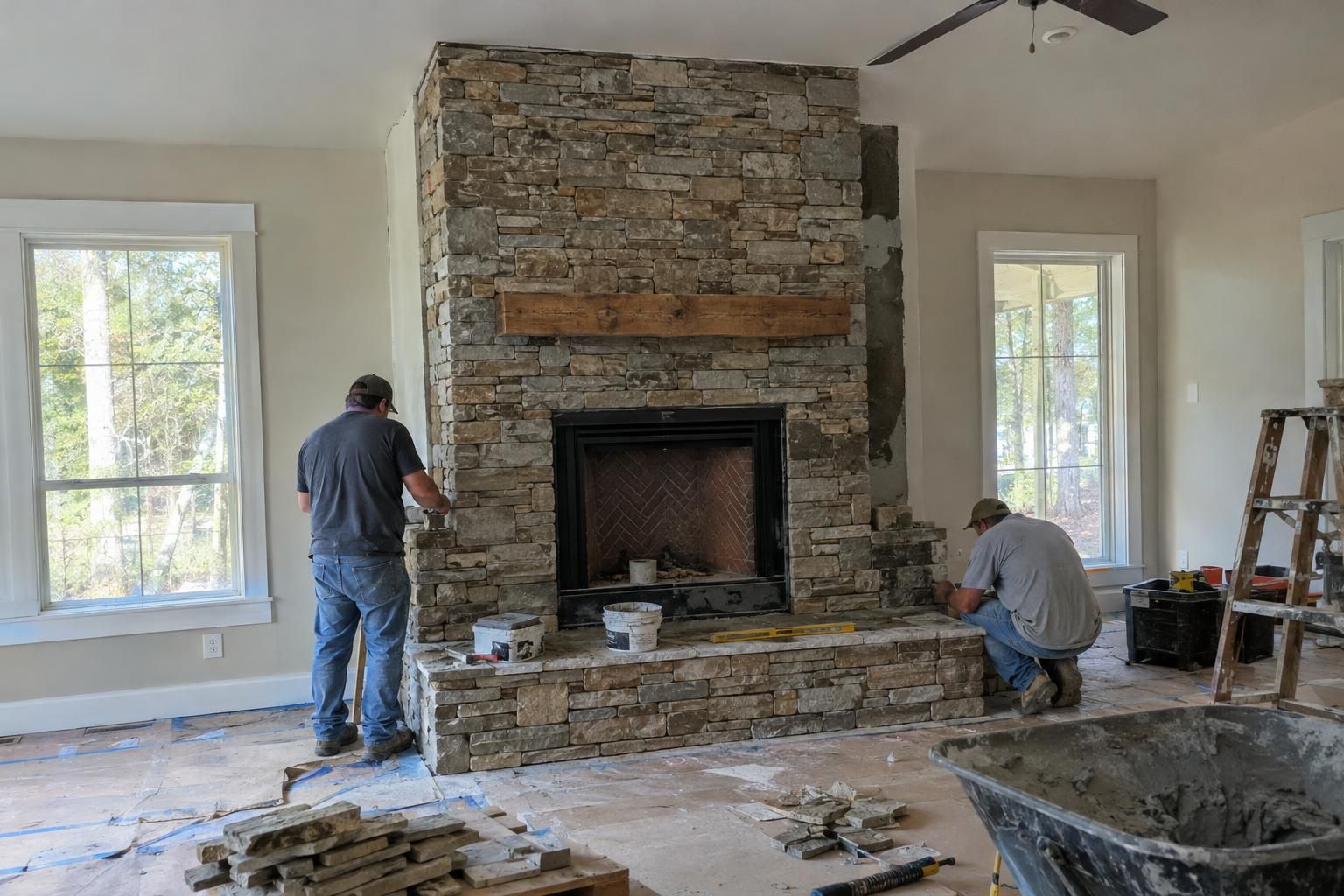
Price follows the work.
What drives the cost →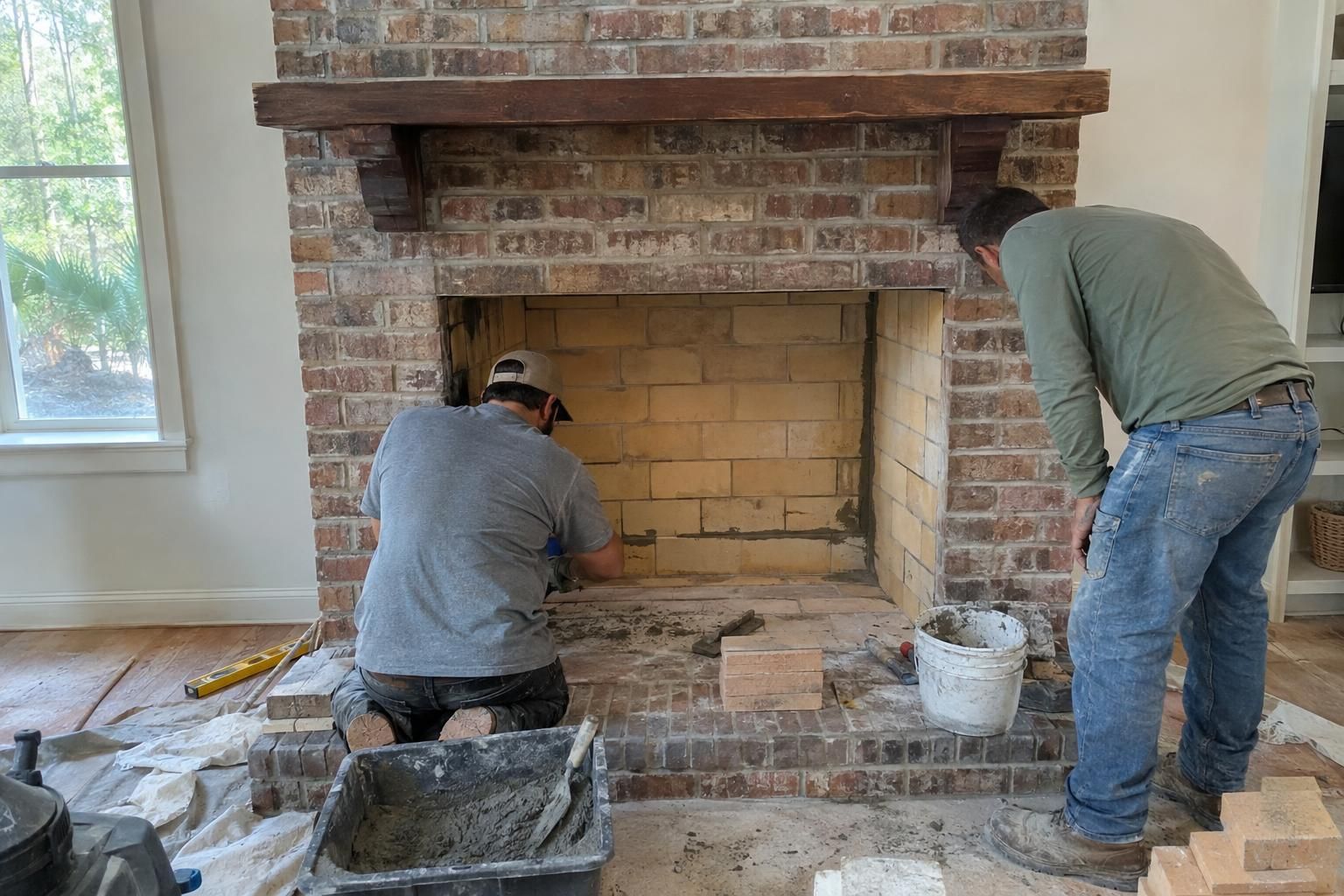
The biggest swing in price is repointing versus a full firebox rebuild.
What drives the cost →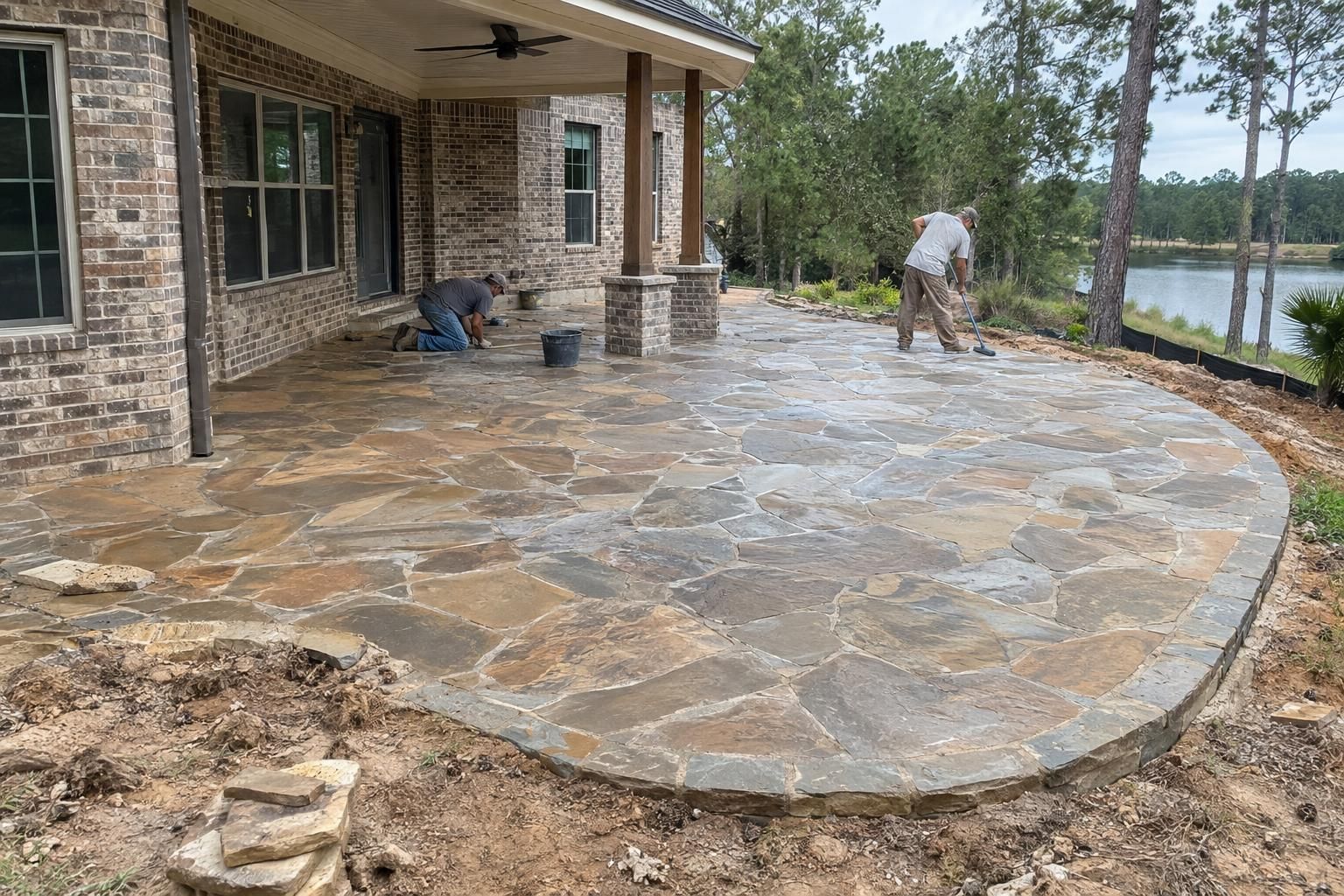
Size comes first, because more patio means more stone and more hours of fitting.
What drives the cost →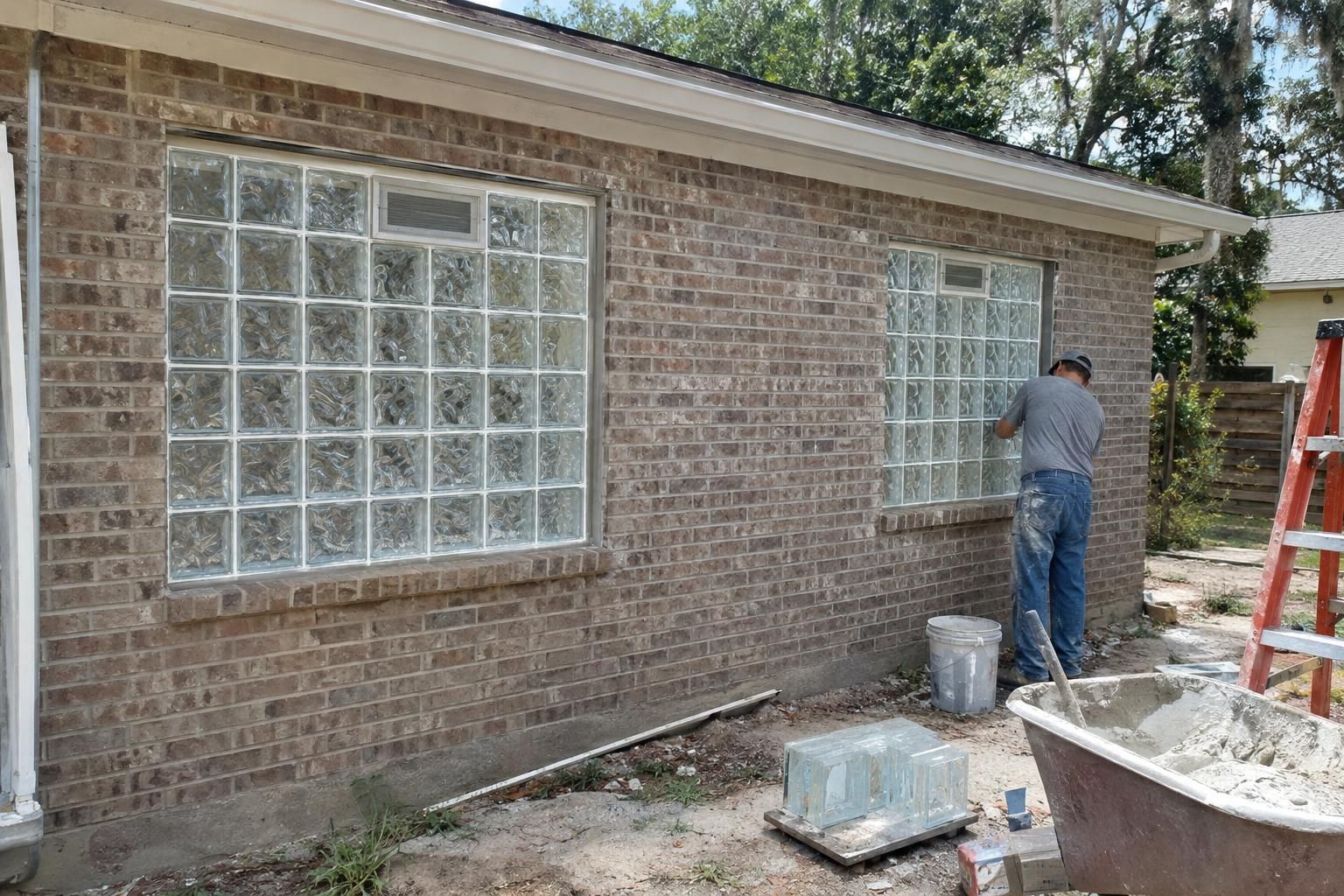
The size of the opening sets how many blocks we lay, and the pattern you pick changes the block price.
What drives the cost →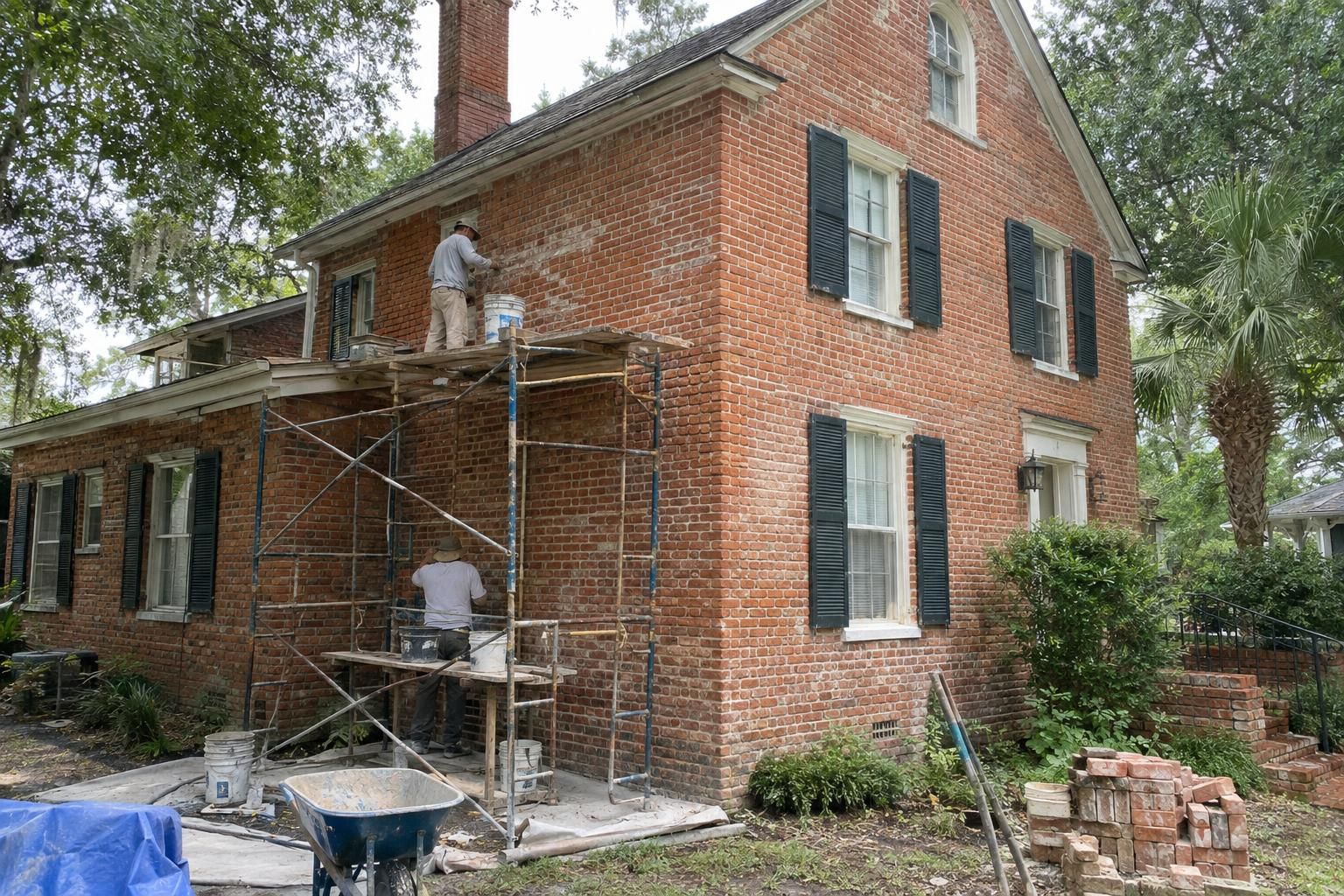
Price follows the labor and the surprises.
What drives the cost →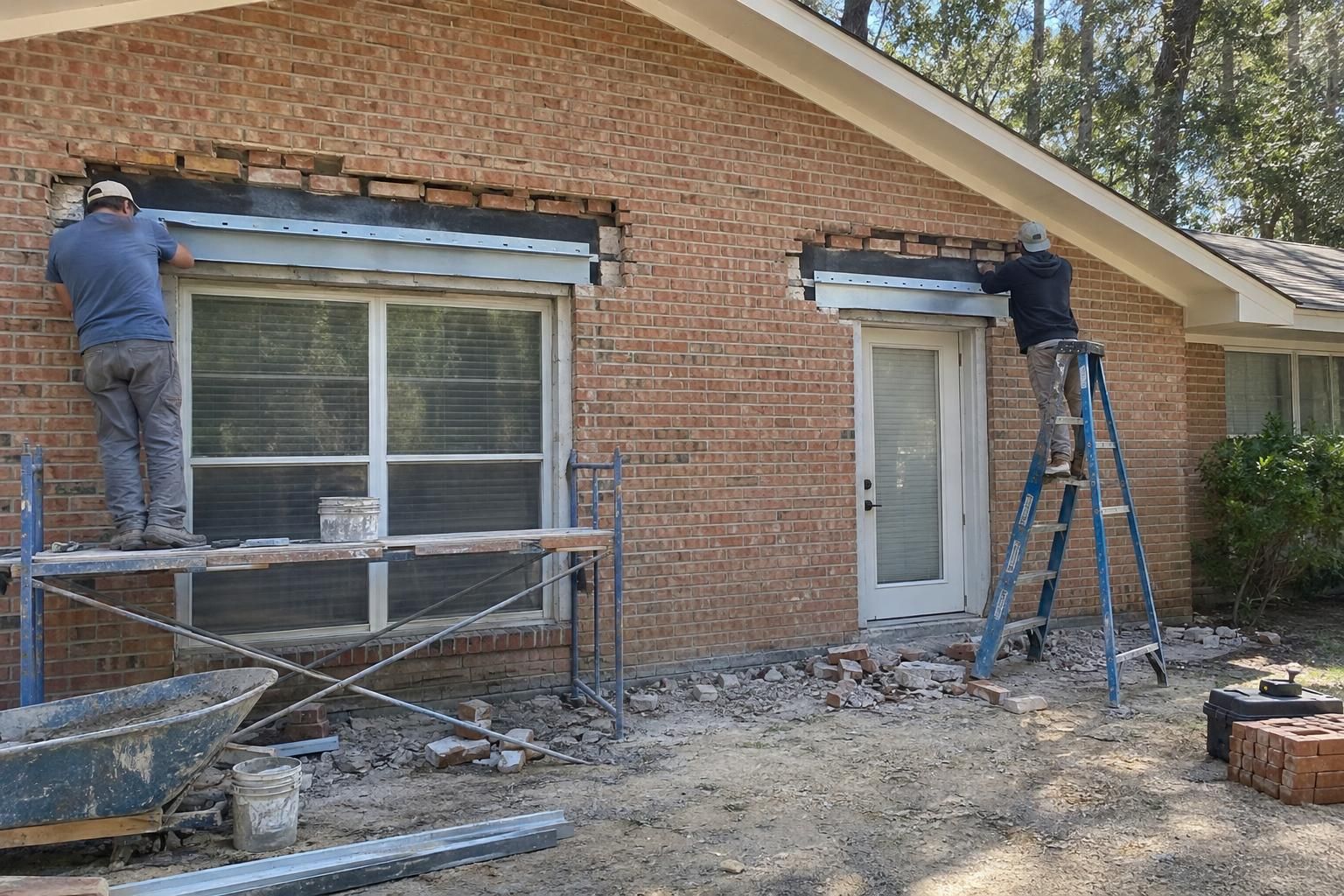
The biggest driver is the width of the opening, since a longer lintel is heavier steel and more brick to take down and relay.
What drives the cost →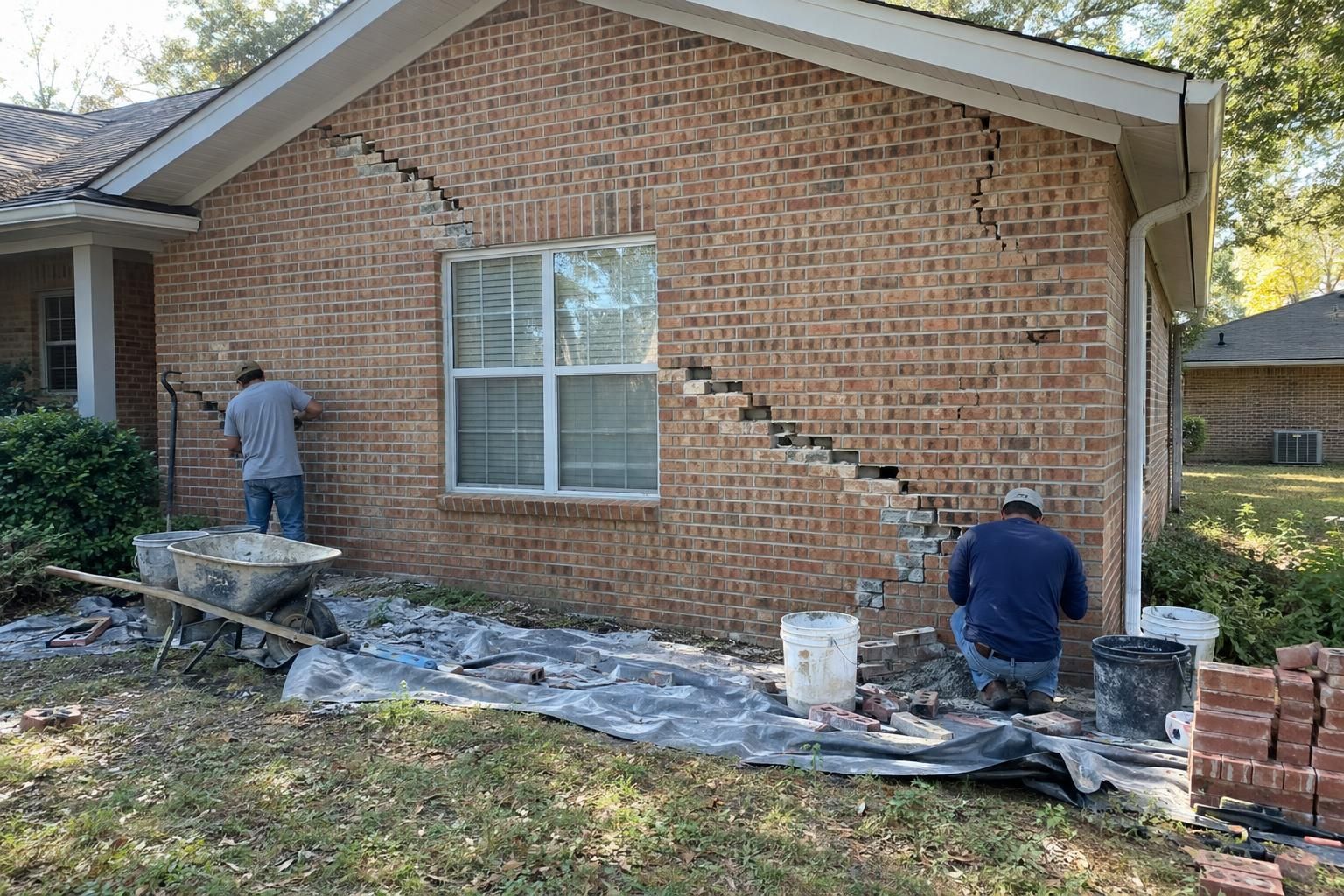
Price follows the work, so we look at how long the cracks are and how many there are.
What drives the cost →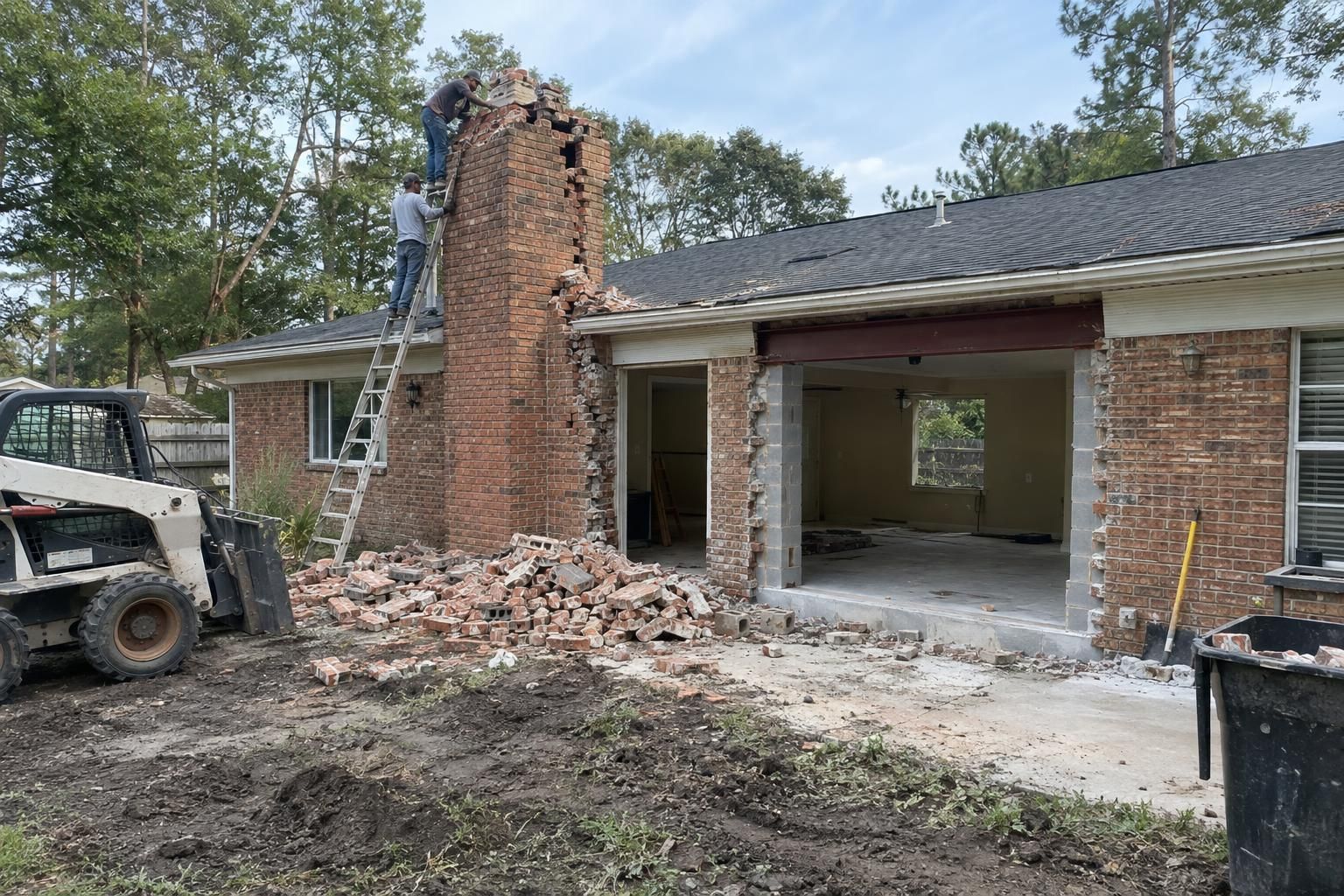
Size and height set the baseline.
What drives the cost →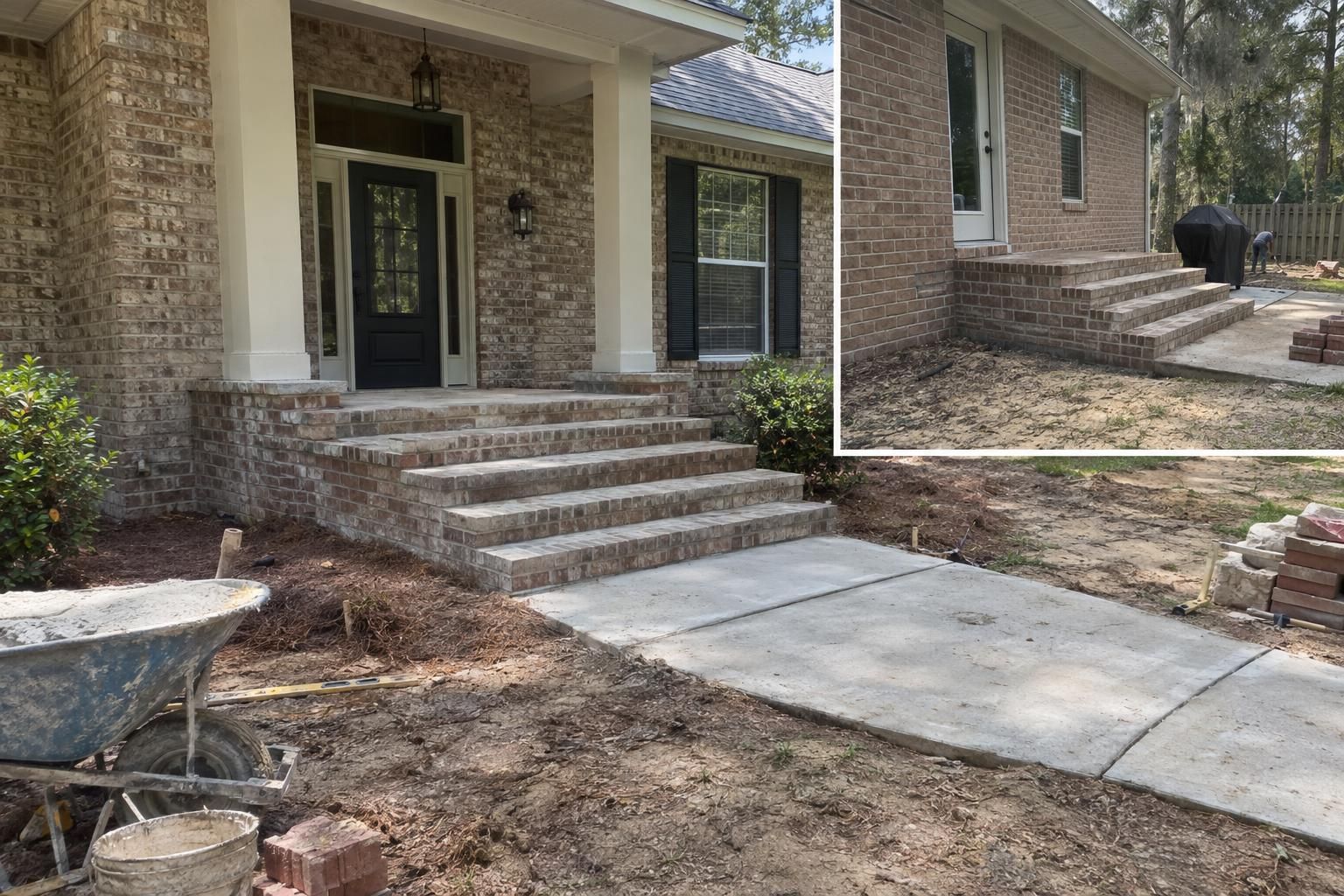
Price follows the amount of work and material in the steps.
What drives the cost →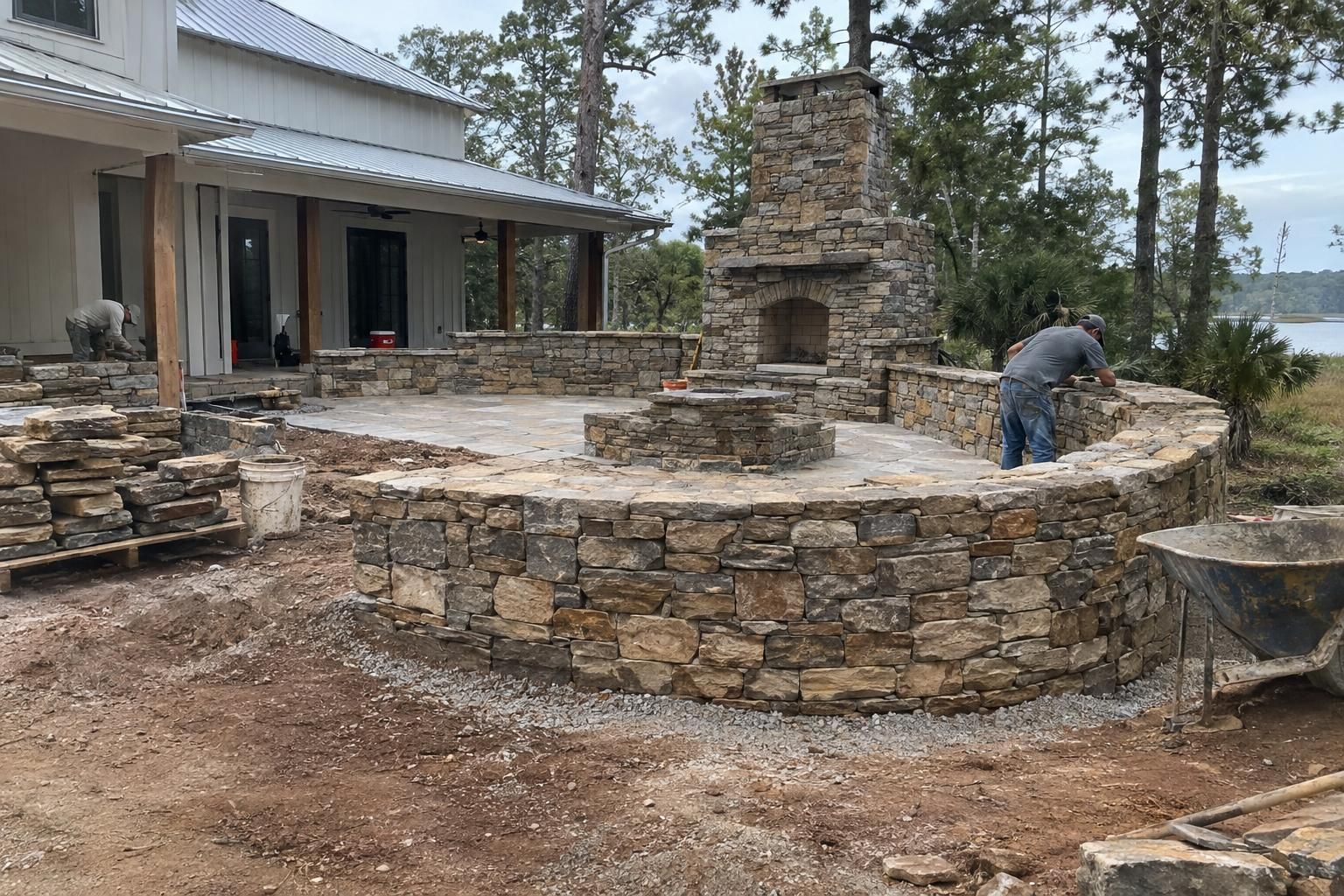
Length and height set the baseline, since a wall is mostly stone and labor per square foot of face.
What drives the cost →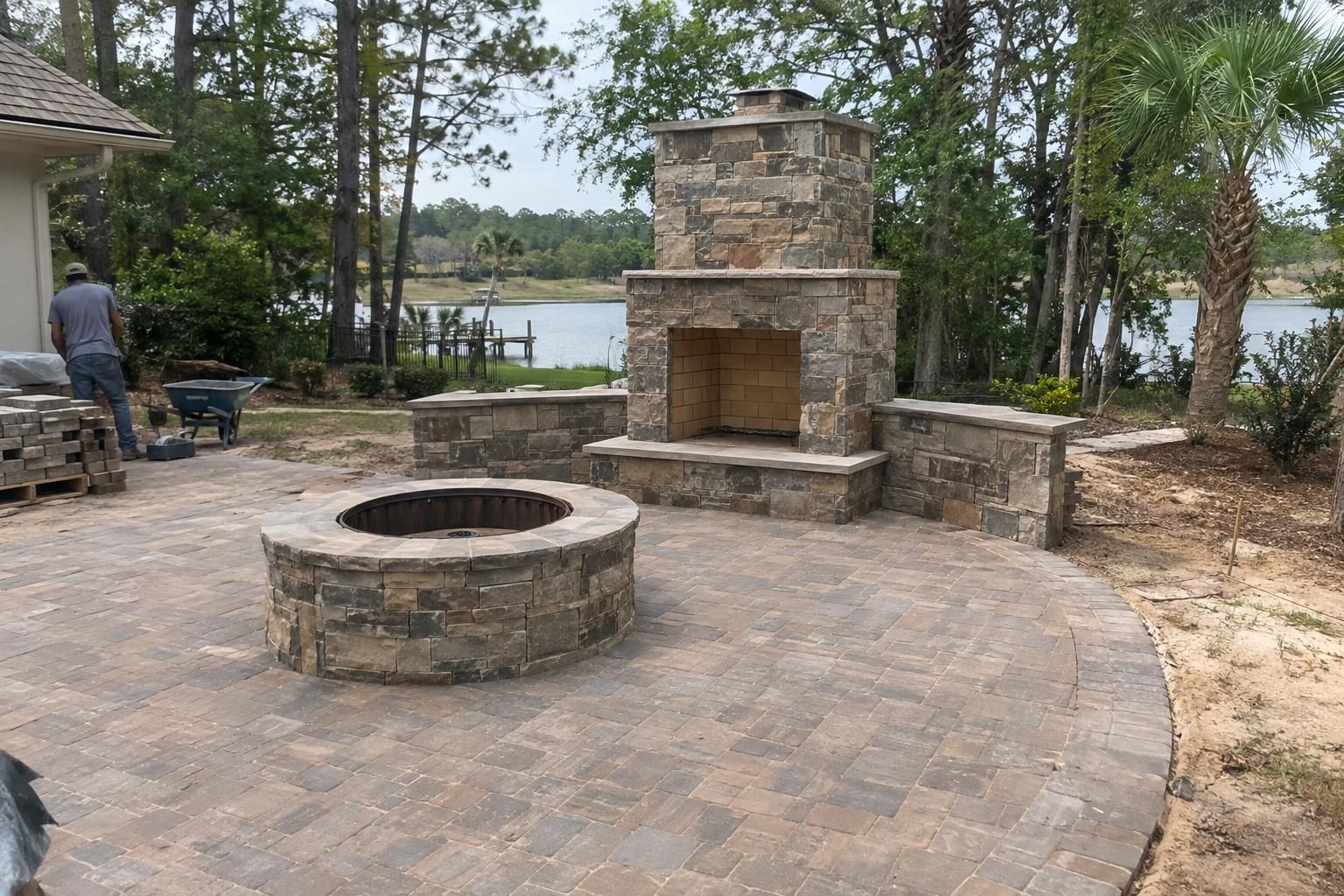
The biggest swing is whether you want a fire pit or a fireplace.
What drives the cost →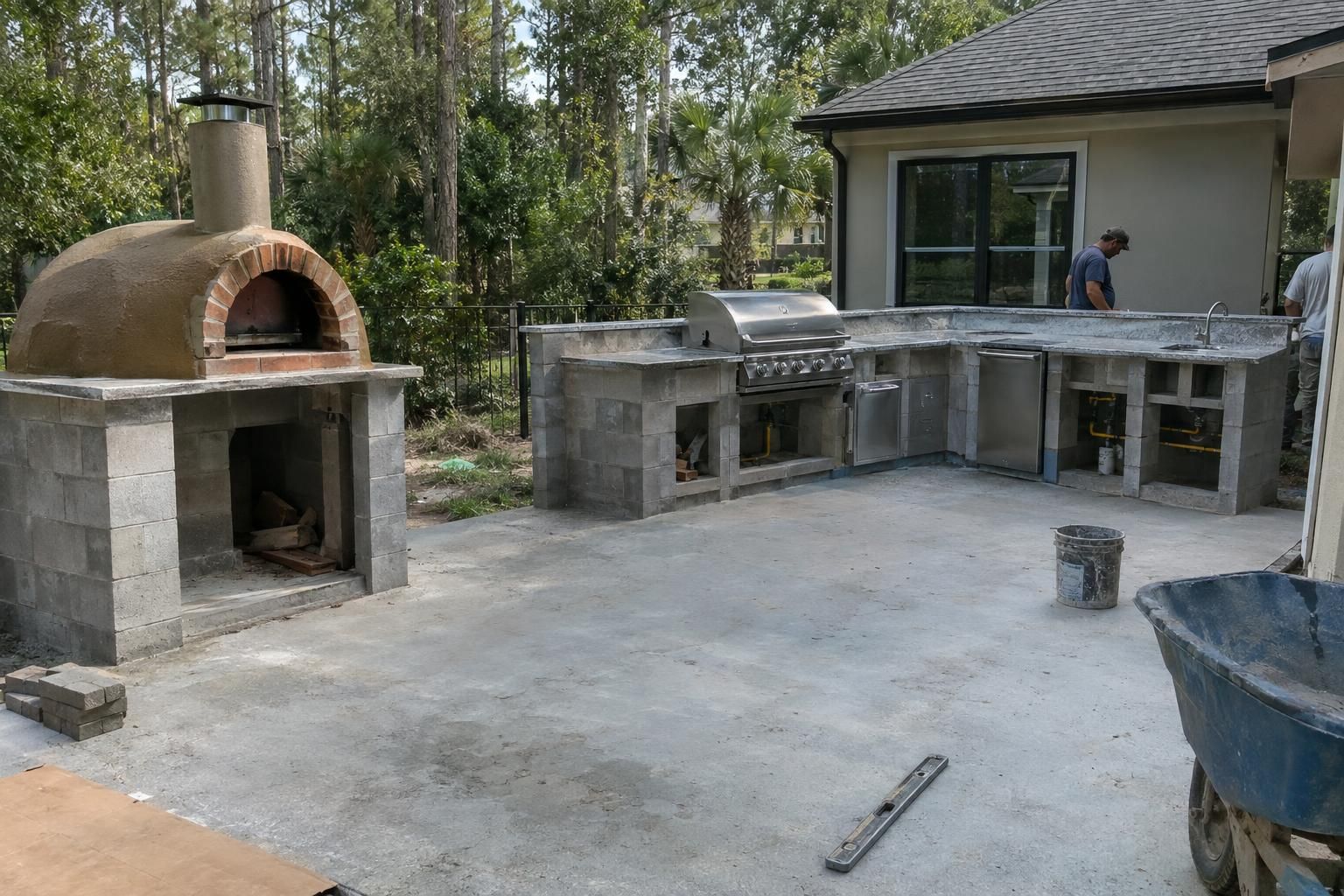
Island length moves the price first, since every added foot means more block, more facing and more counter.
What drives the cost →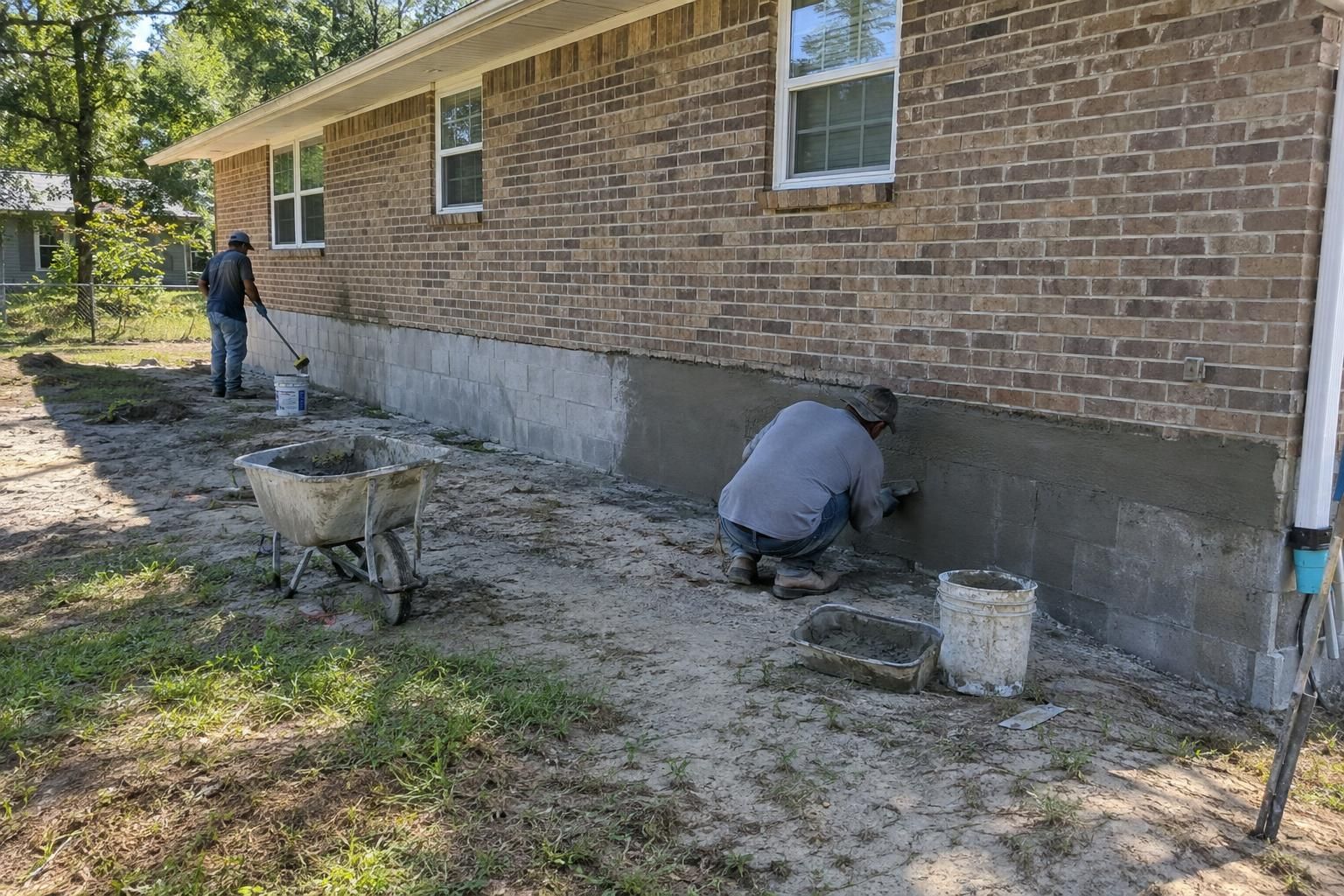
Three things move the price most.
What drives the cost →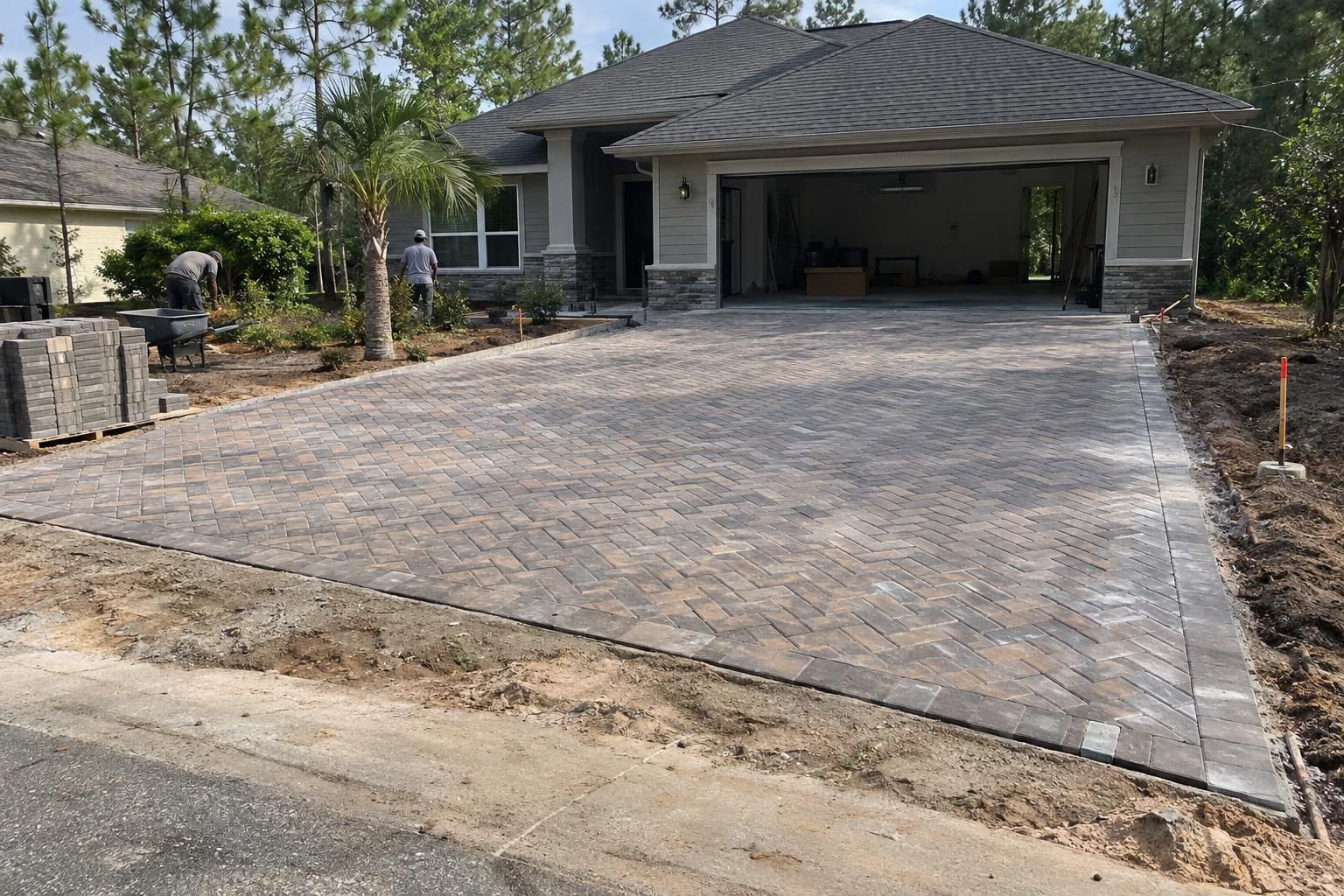
Price follows square footage first, since more drive means more base, more pavers and more hours.
What drives the cost →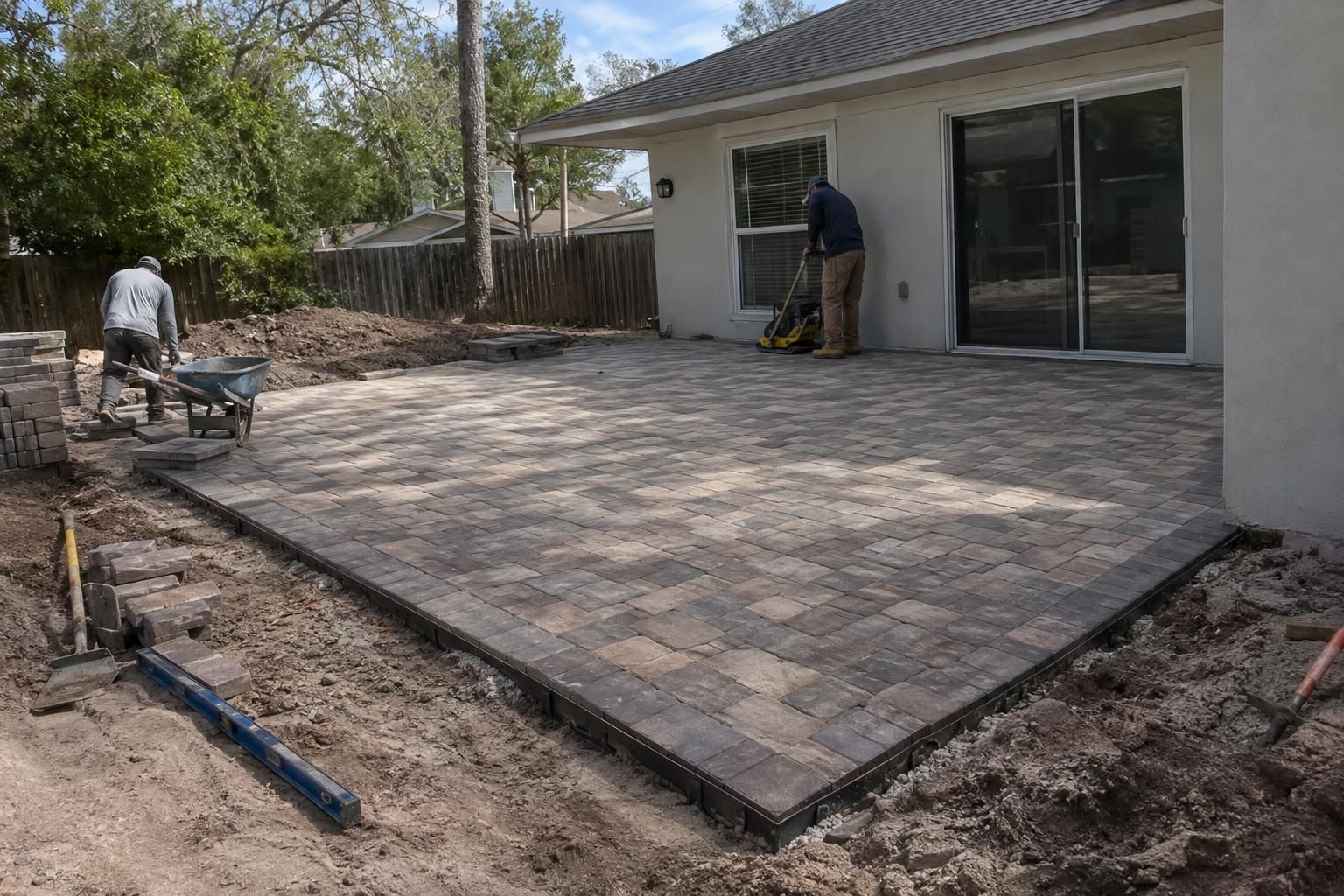
Price follows the work, and most of the work is underground.
What drives the cost →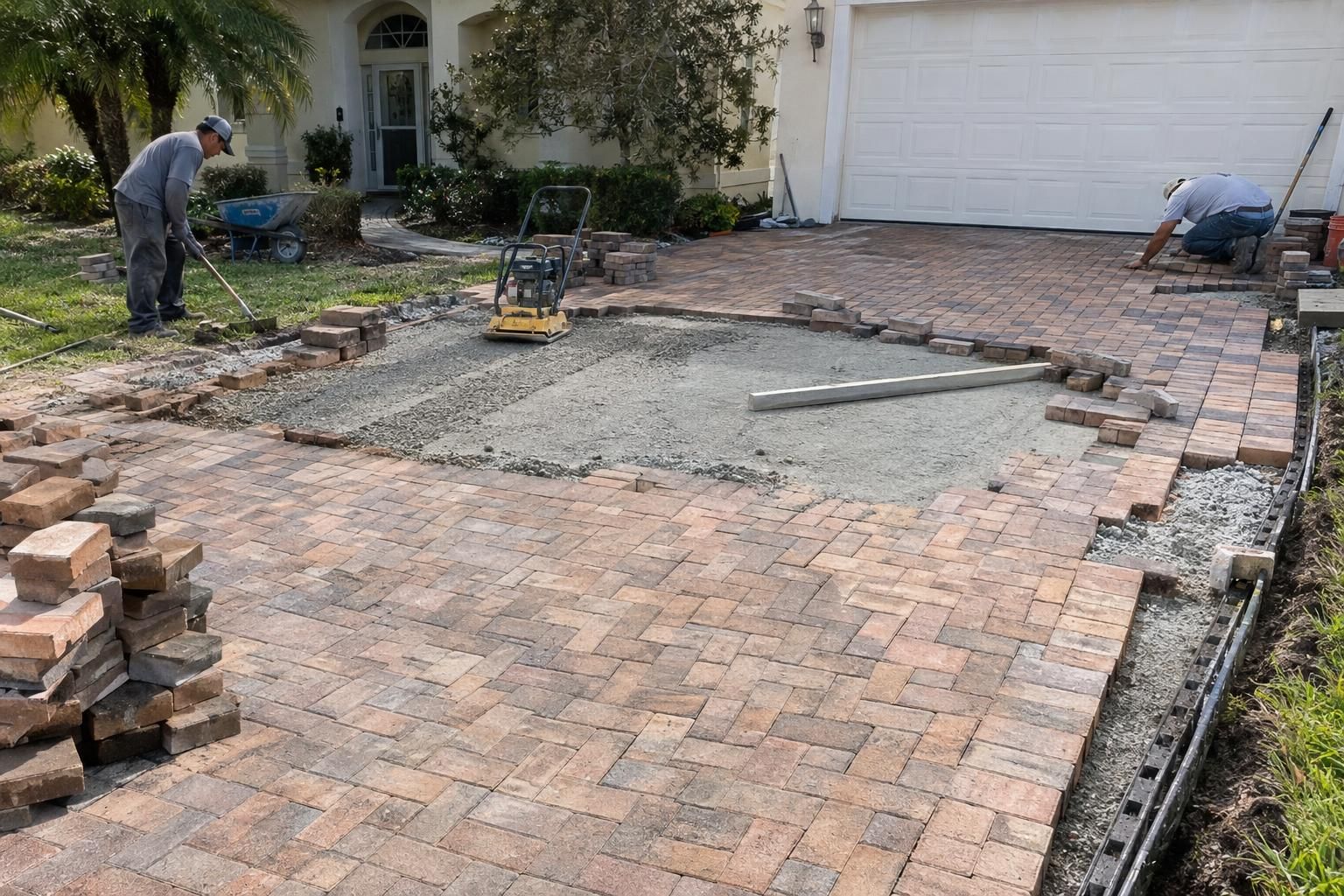
Price follows how much we have to pull up and why it went down.
What drives the cost →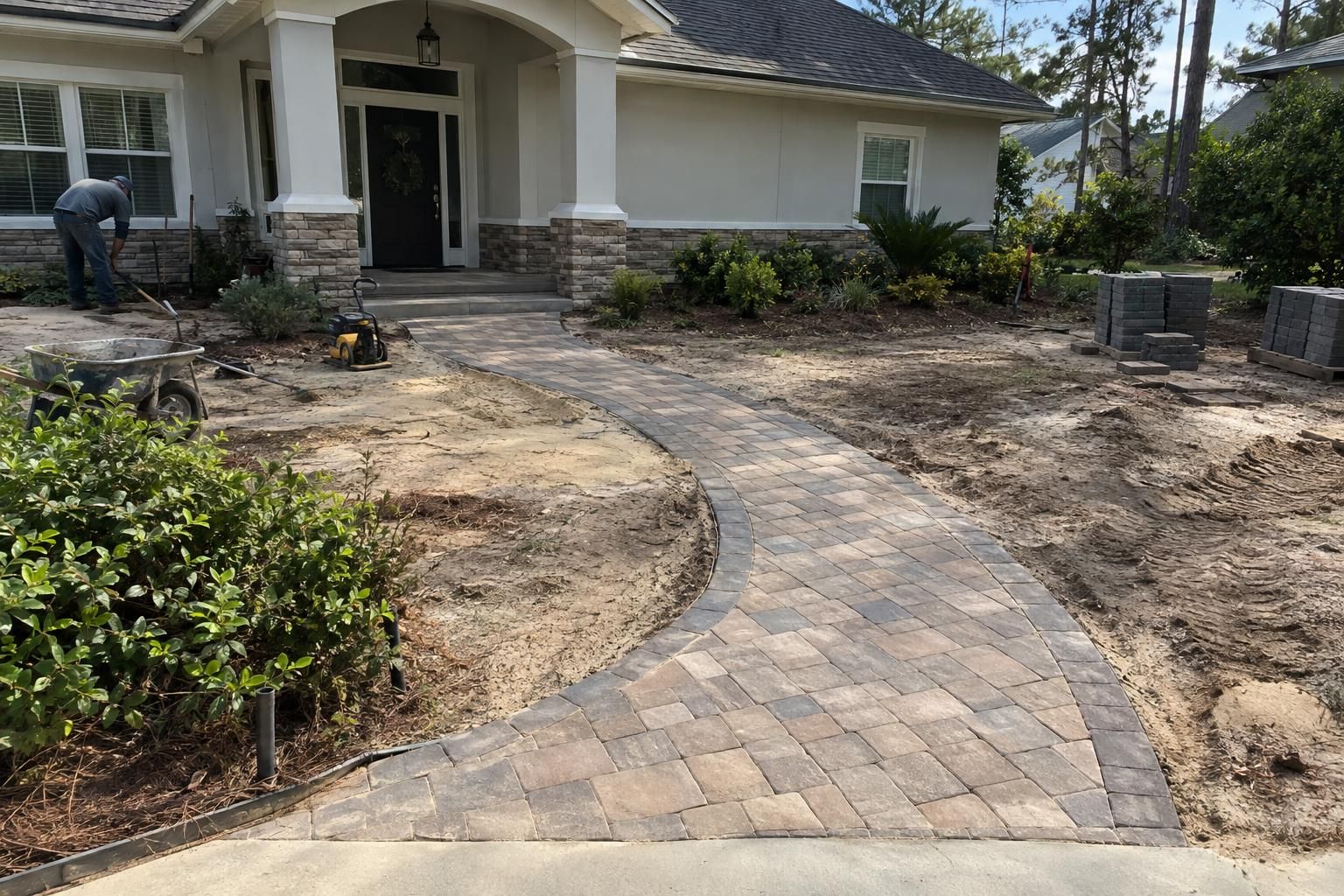
Price follows the amount of work, and a few things move it most.
What drives the cost →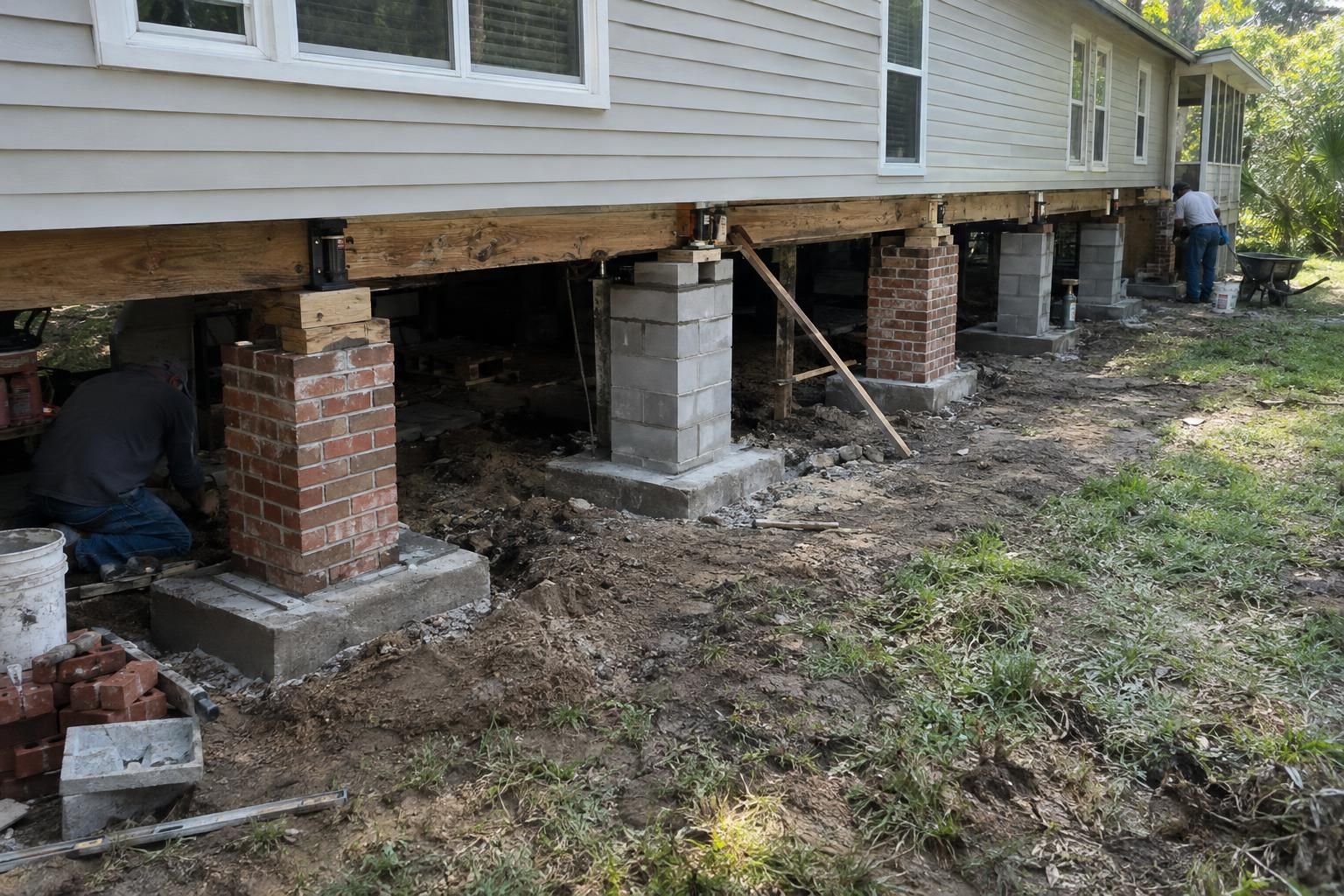
The biggest driver is how many piers you need.
What drives the cost →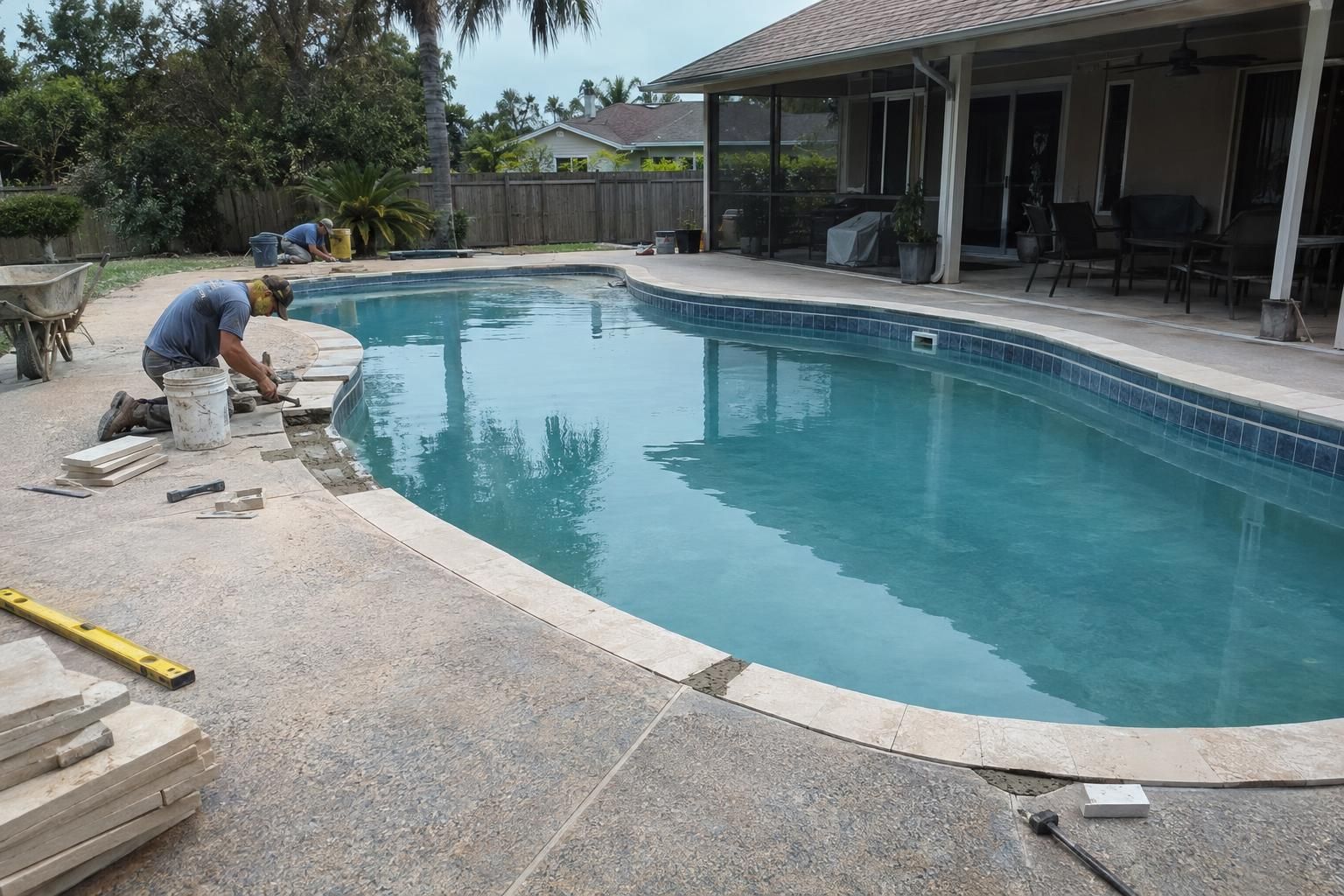
The price follows the work, and we'd rather you see where the number comes from.
What drives the cost →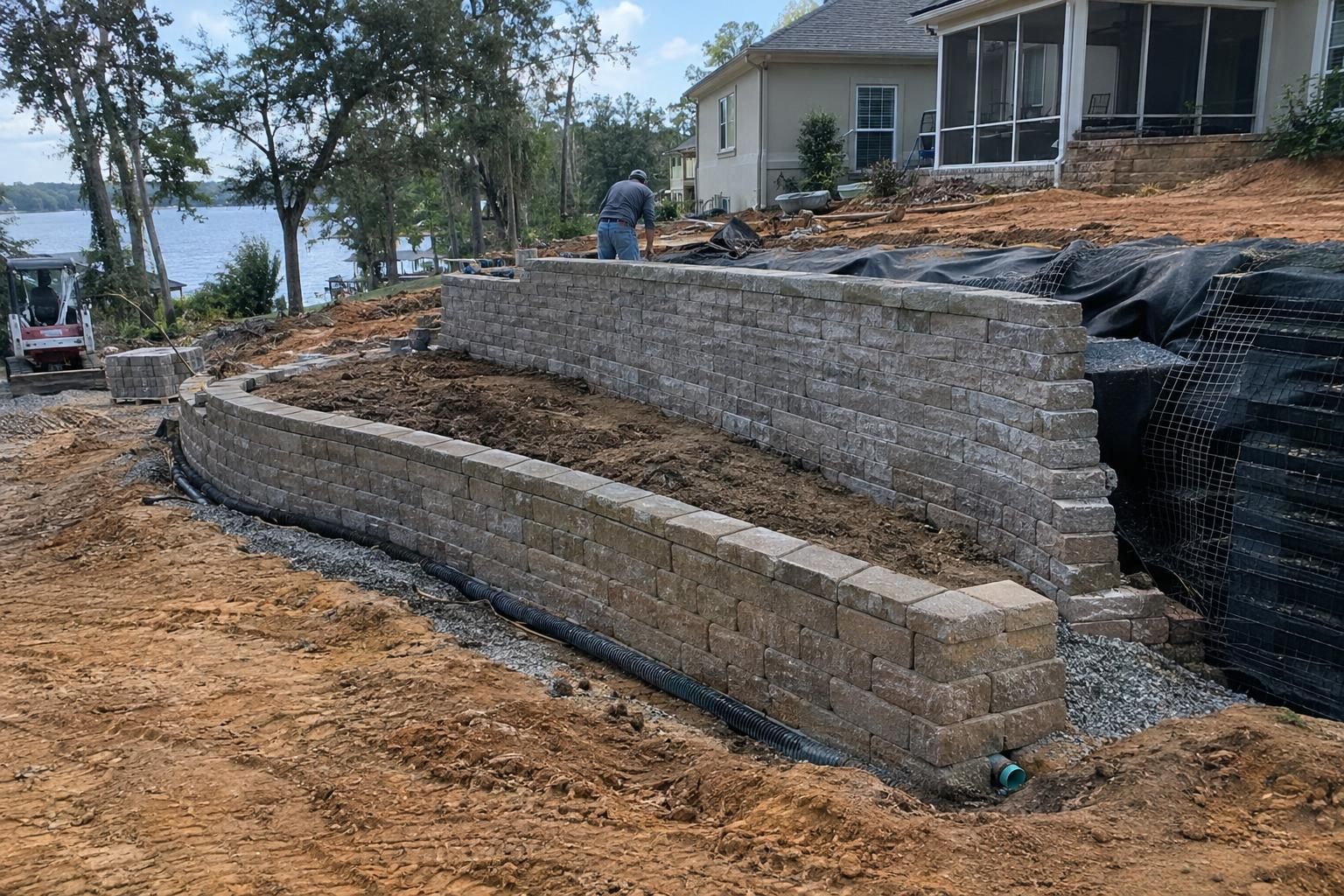
Height is the biggest driver, because a taller wall needs a deeper base, more block and often grid.
What drives the cost →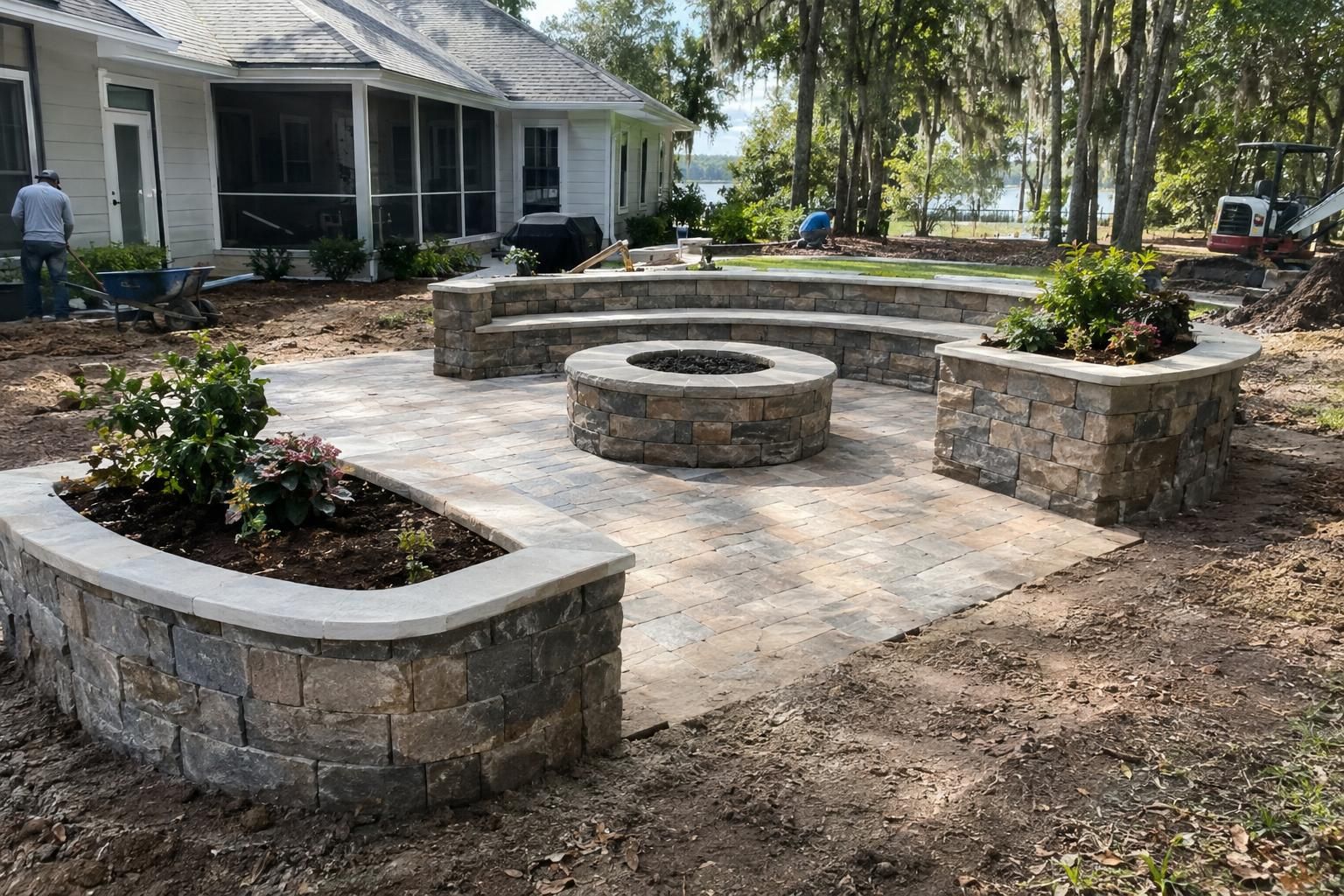
Length drives the price first, because every added foot means more block, more base, and more time.
What drives the cost →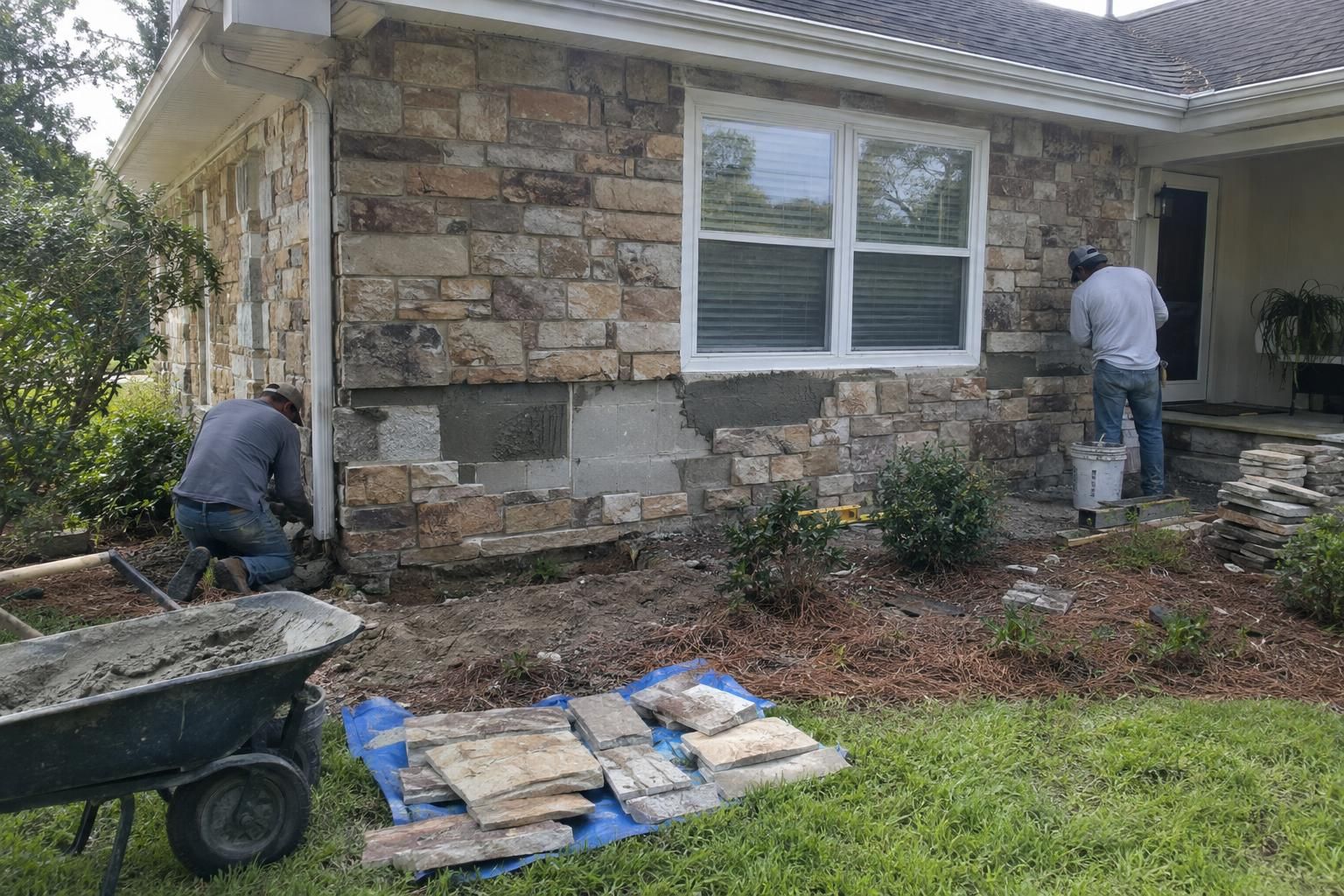
The biggest driver is how many stones are involved and how much mortar has to come out.
What drives the cost →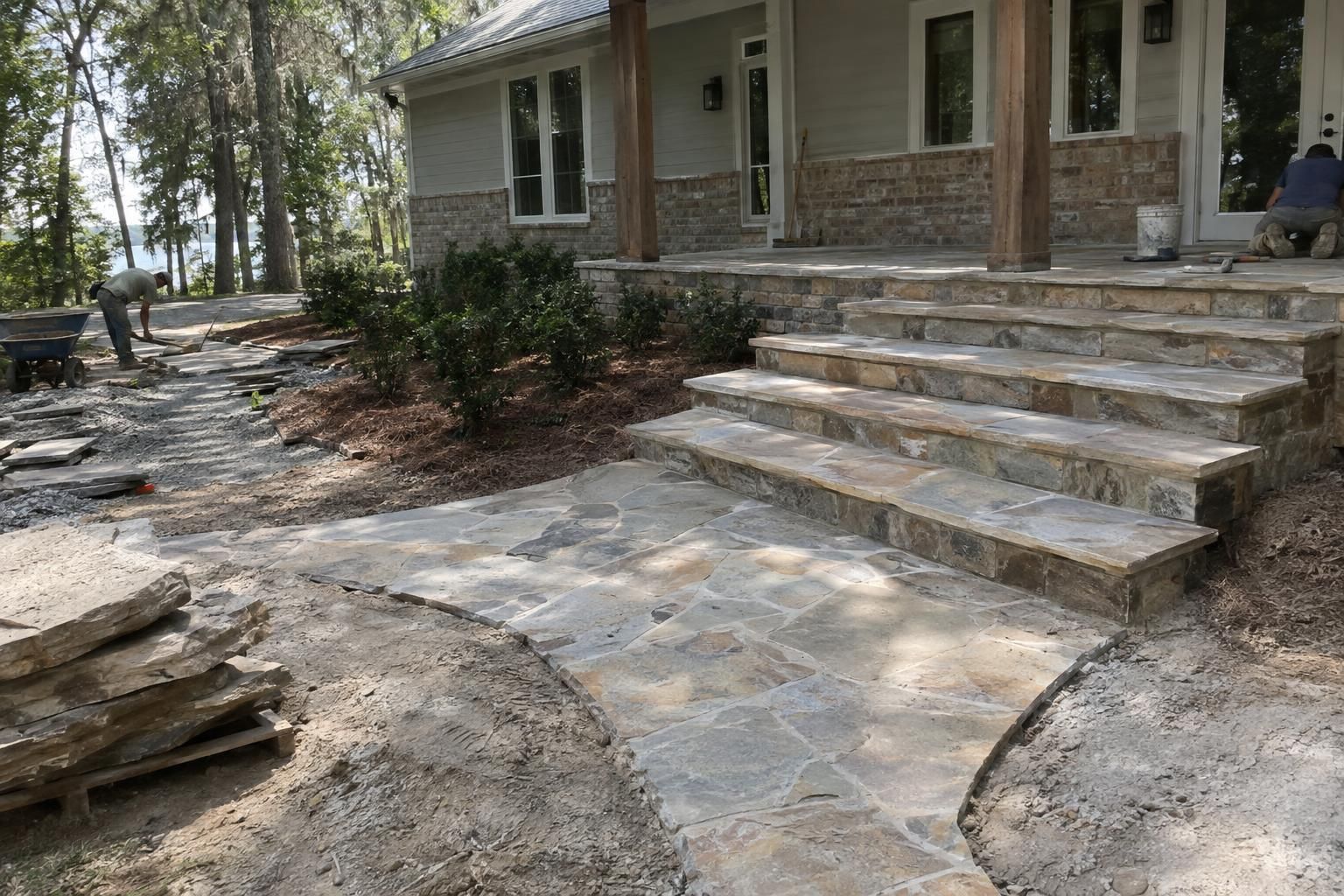
Length comes first.
What drives the cost →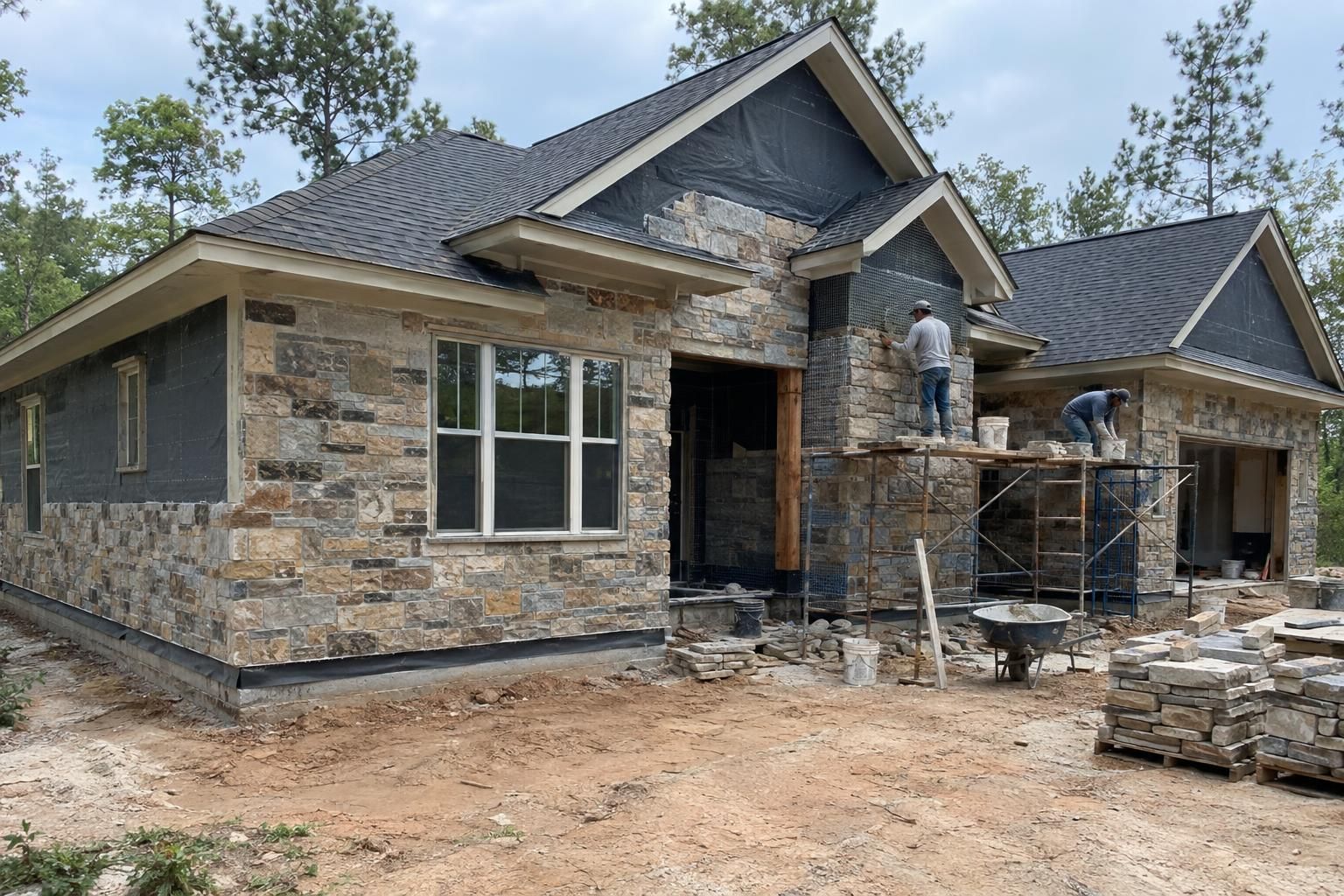
Price comes down to a handful of things.
What drives the cost →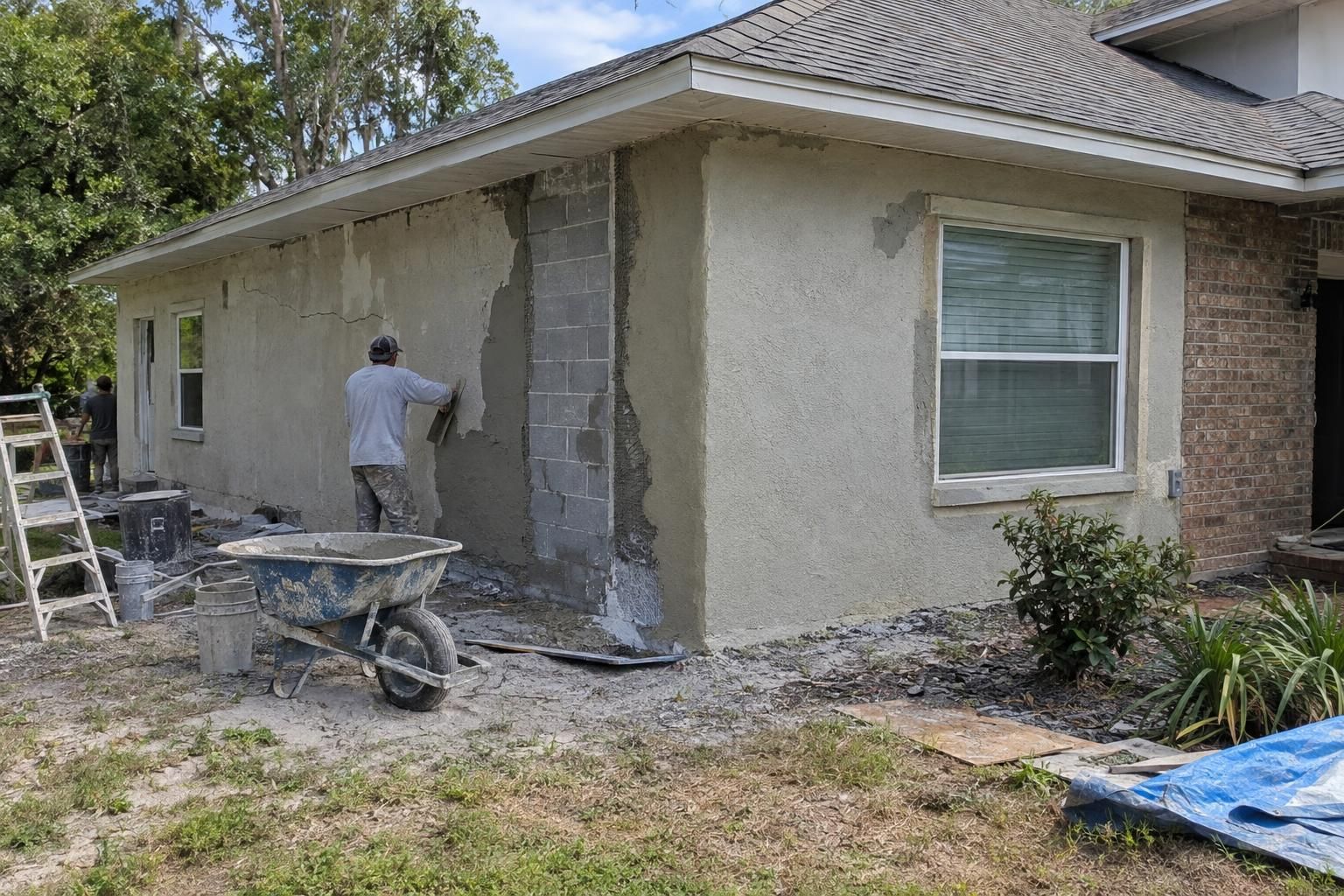
The price follows the work behind the surface more than the crack you can see.
What drives the cost →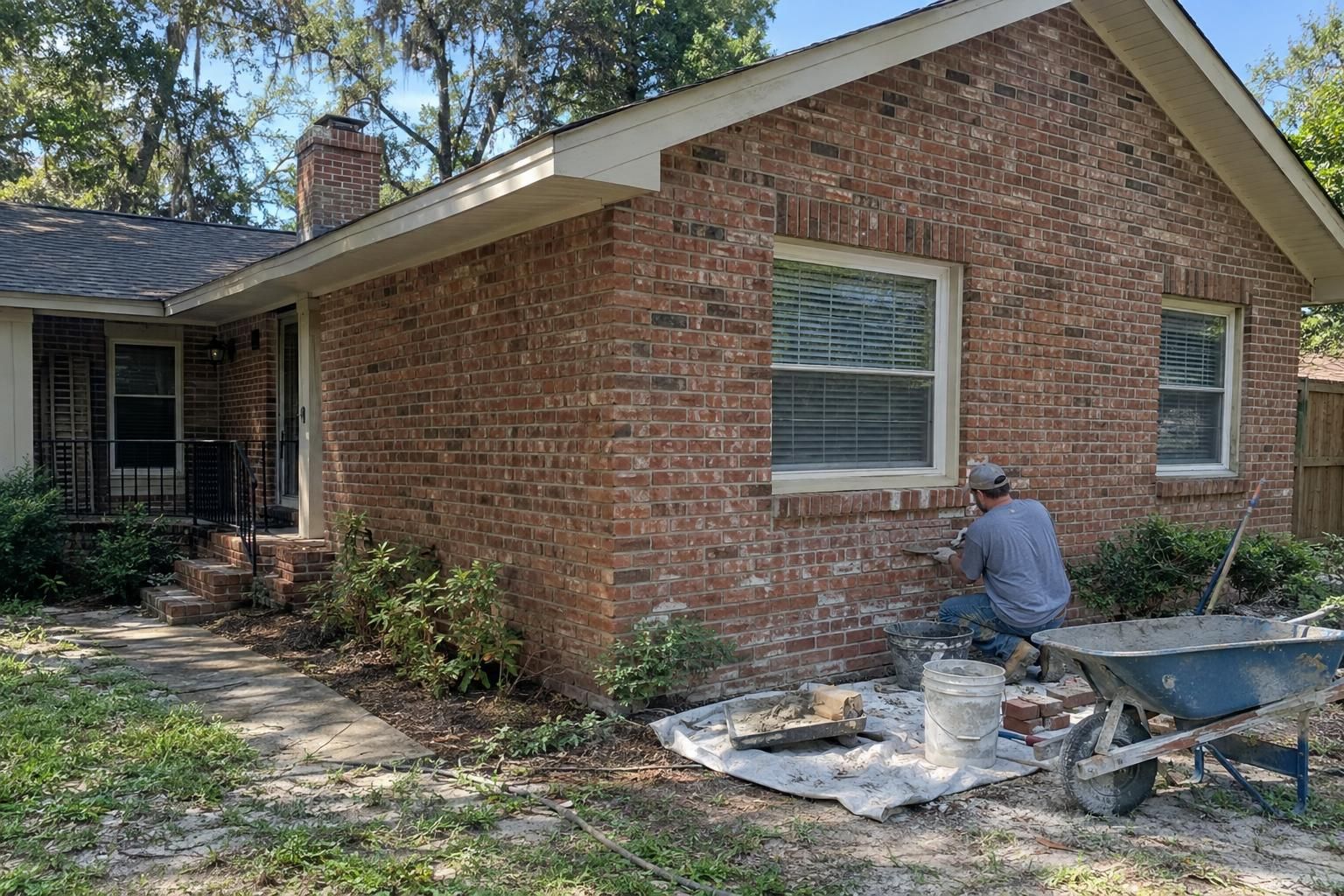
Price follows the work.
What drives the cost →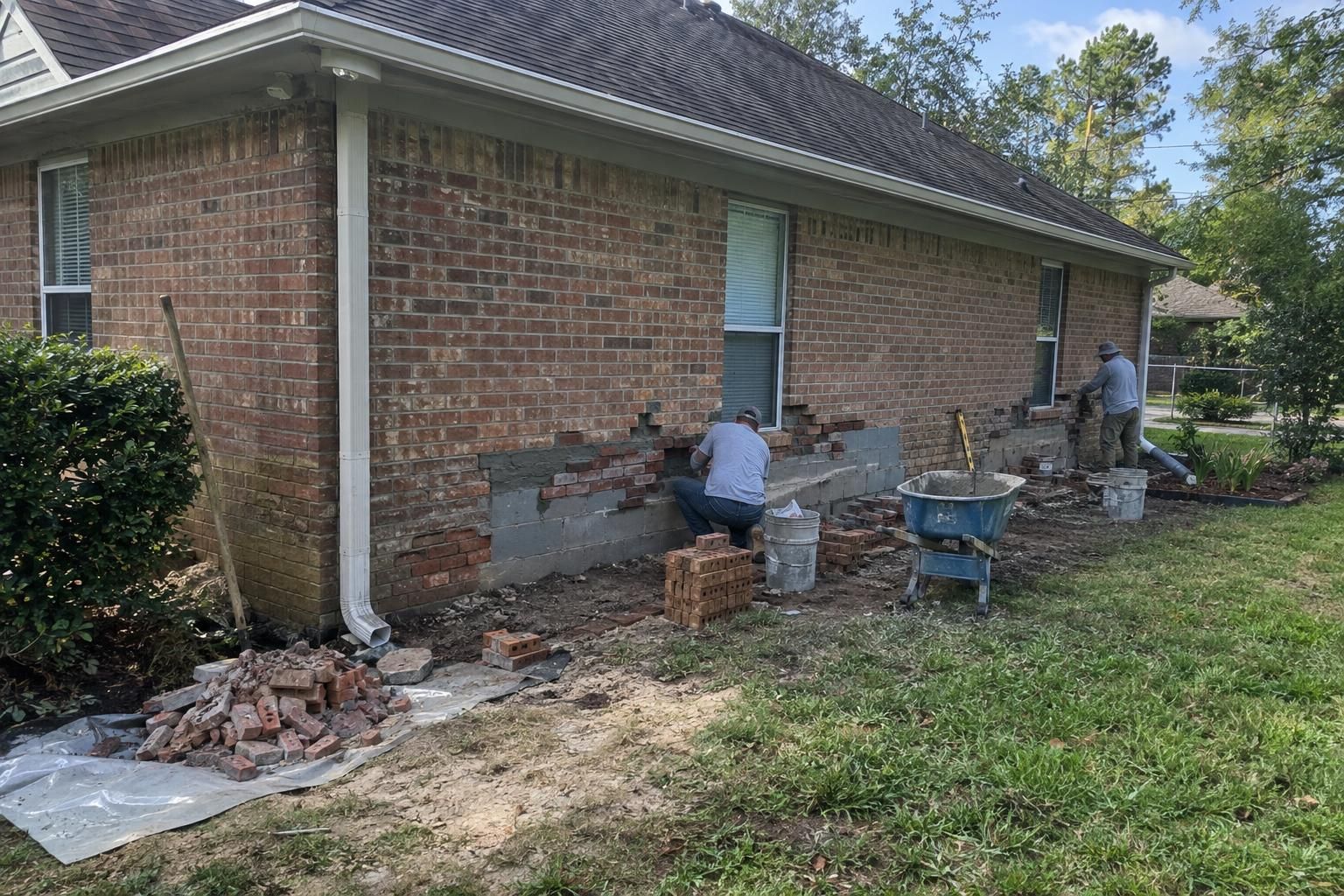
Four things move the price.
What drives the cost →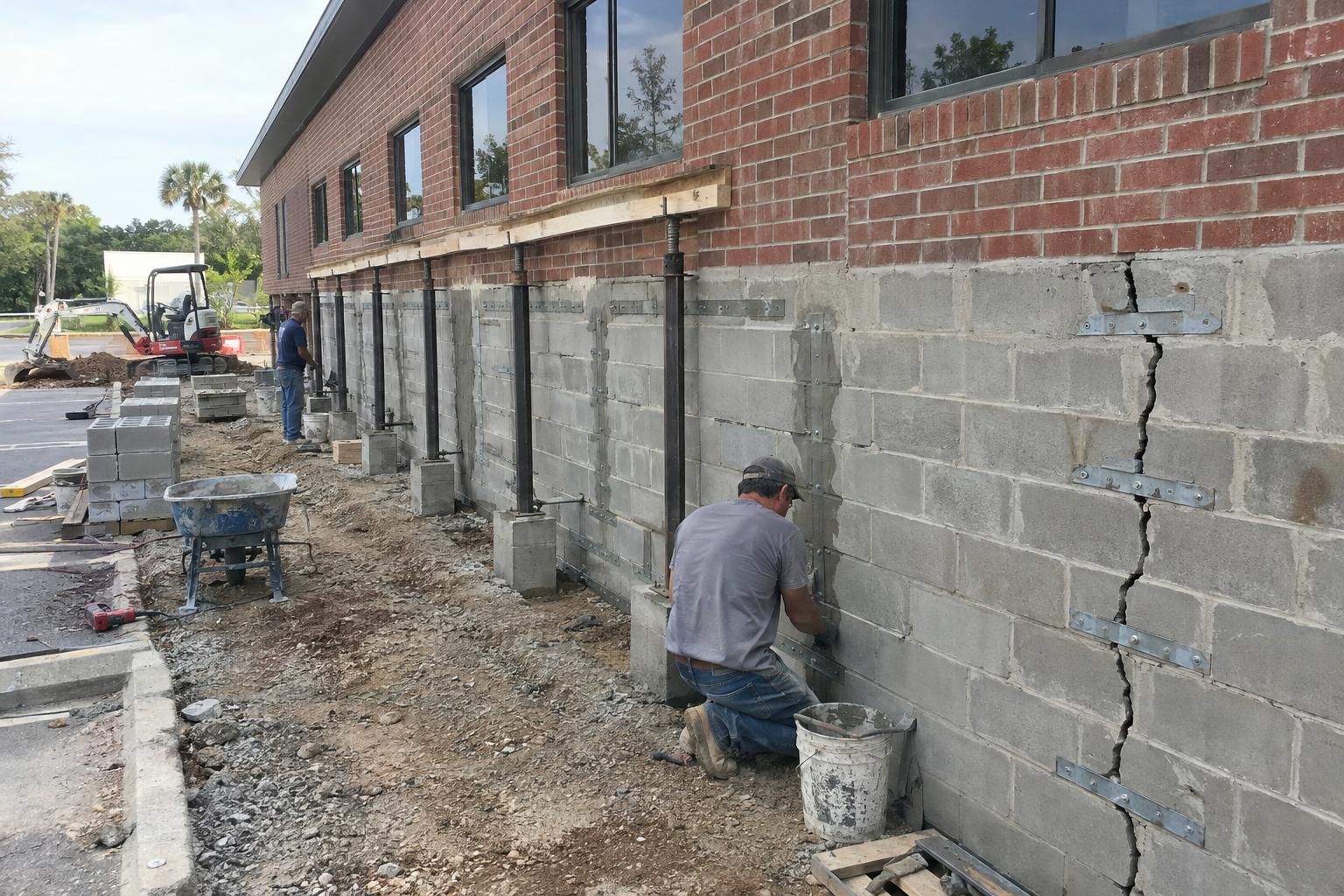
Engineering comes first, since a structural repair can't start without a drawn detail.
What drives the cost →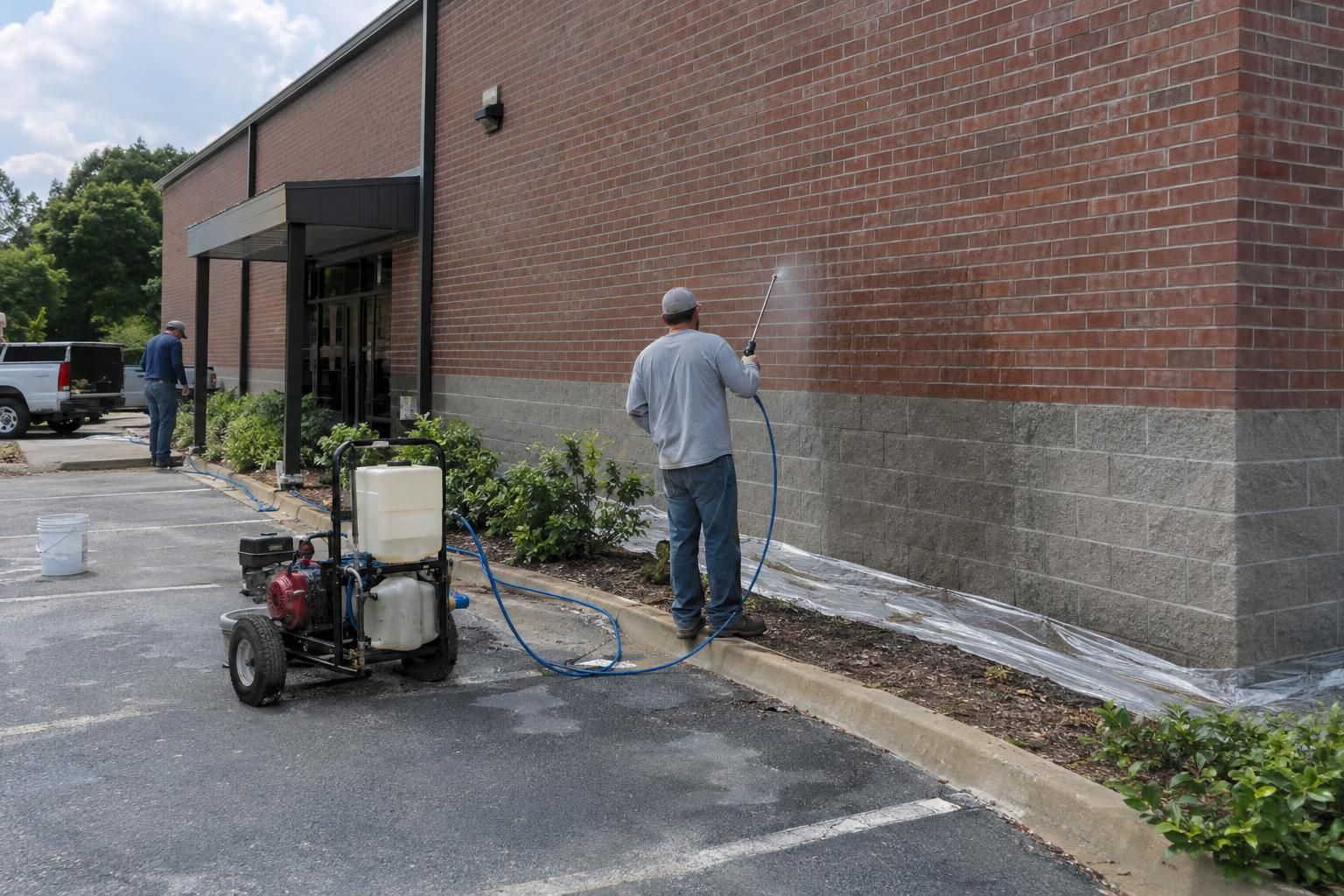
Several things move the price.
What drives the cost →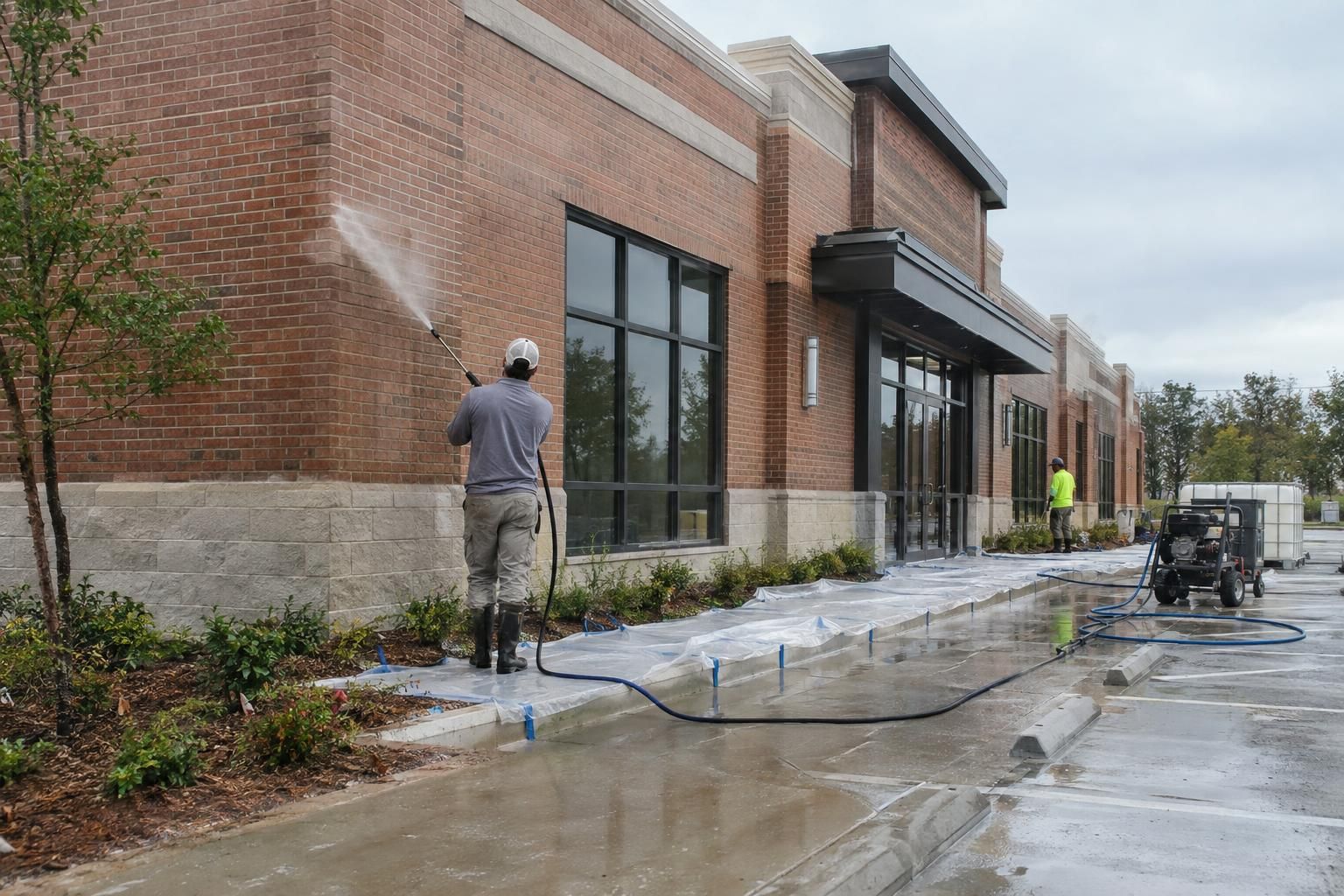
Price follows the wall.
What drives the cost →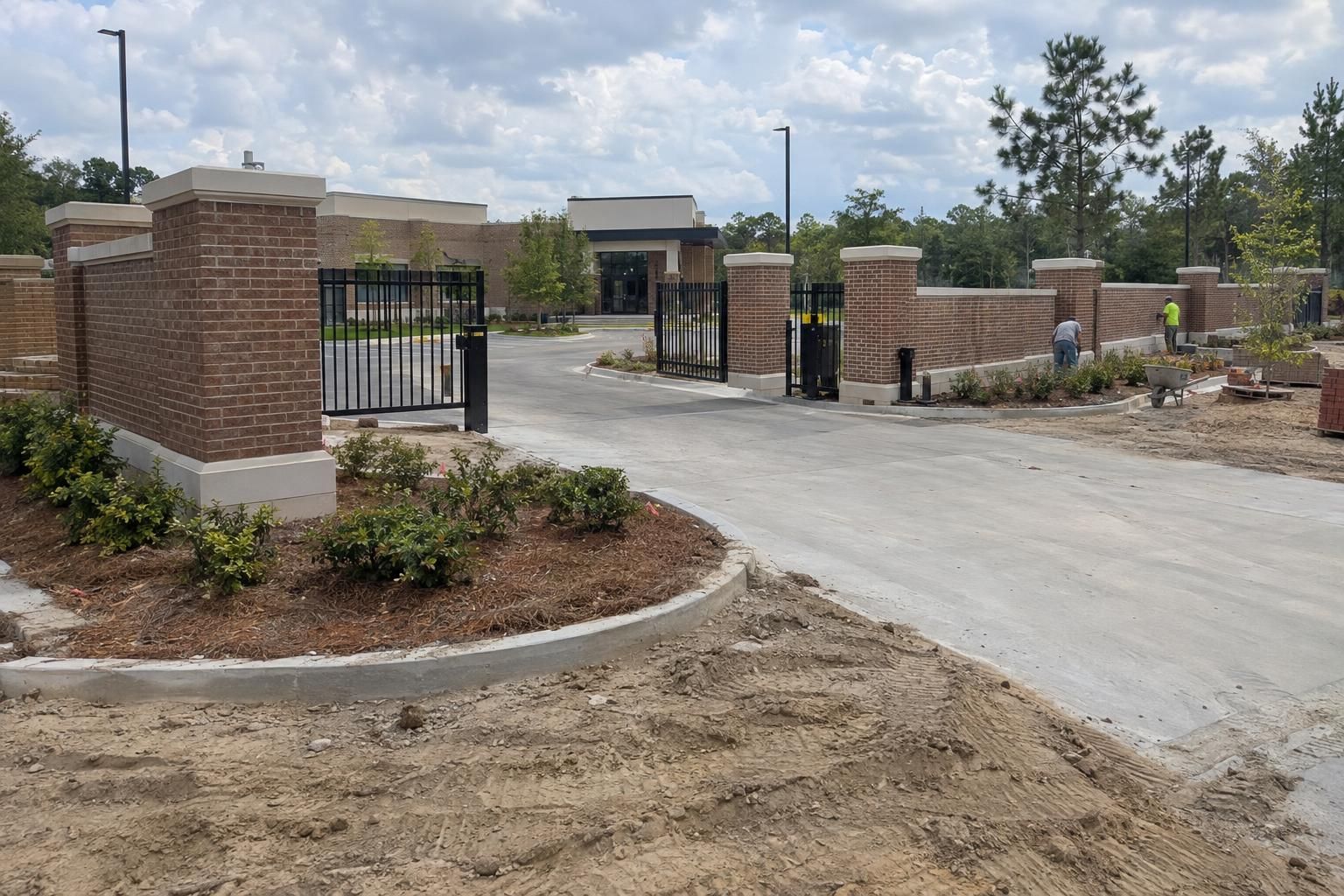
The price follows the drawings.
What drives the cost →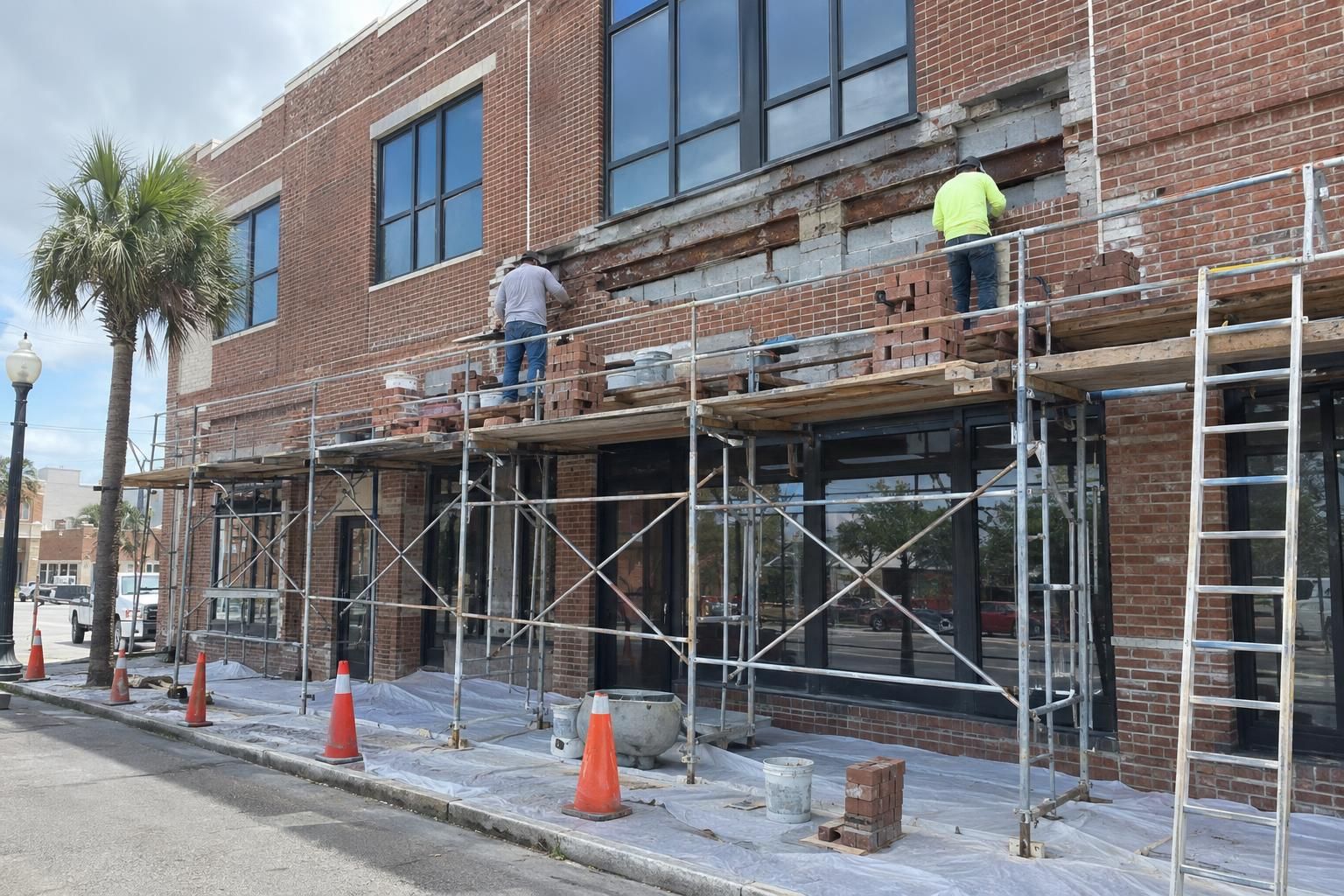
Height and access equipment move the price more than the brick does.
What drives the cost →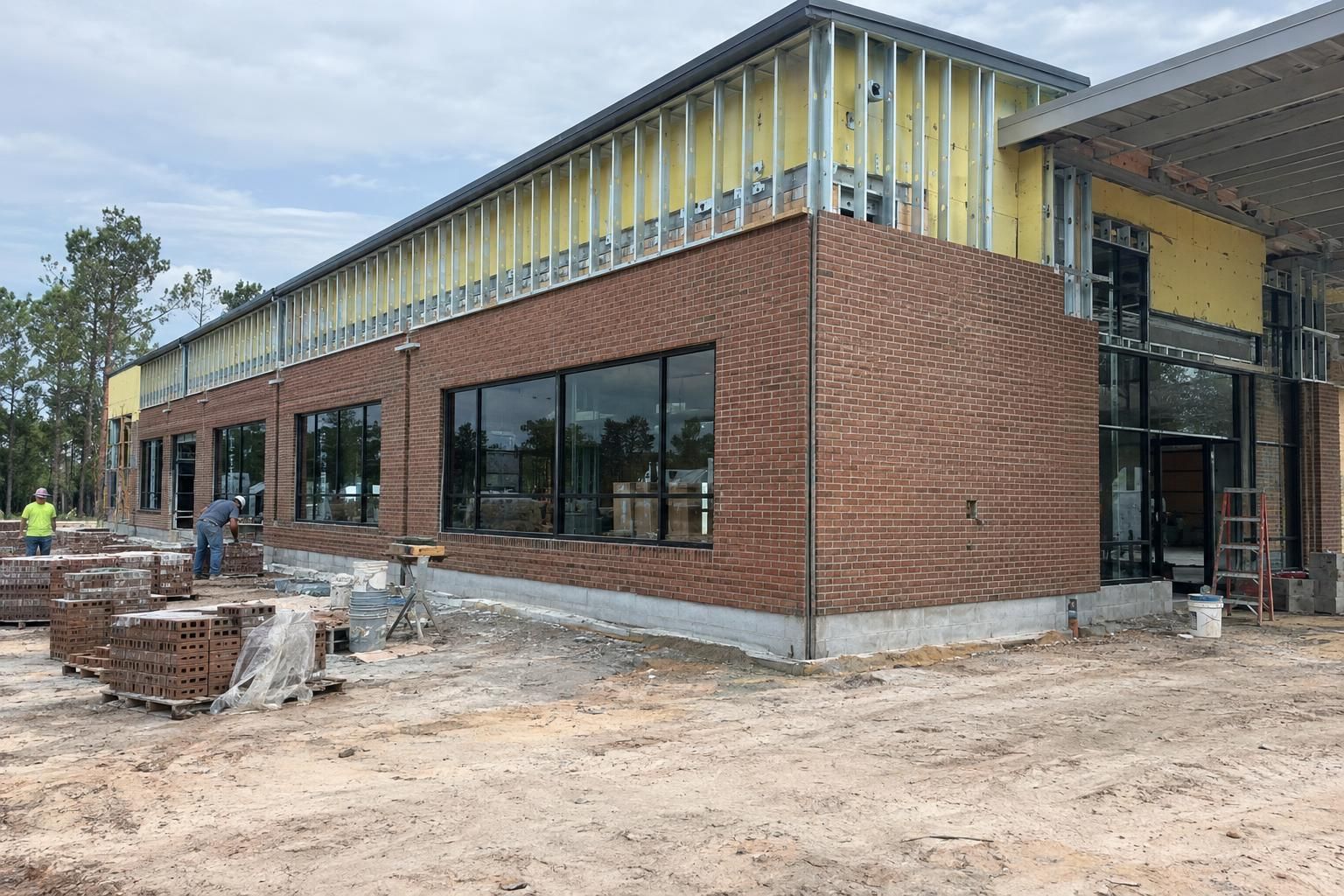
Area comes first, then the system.
What drives the cost →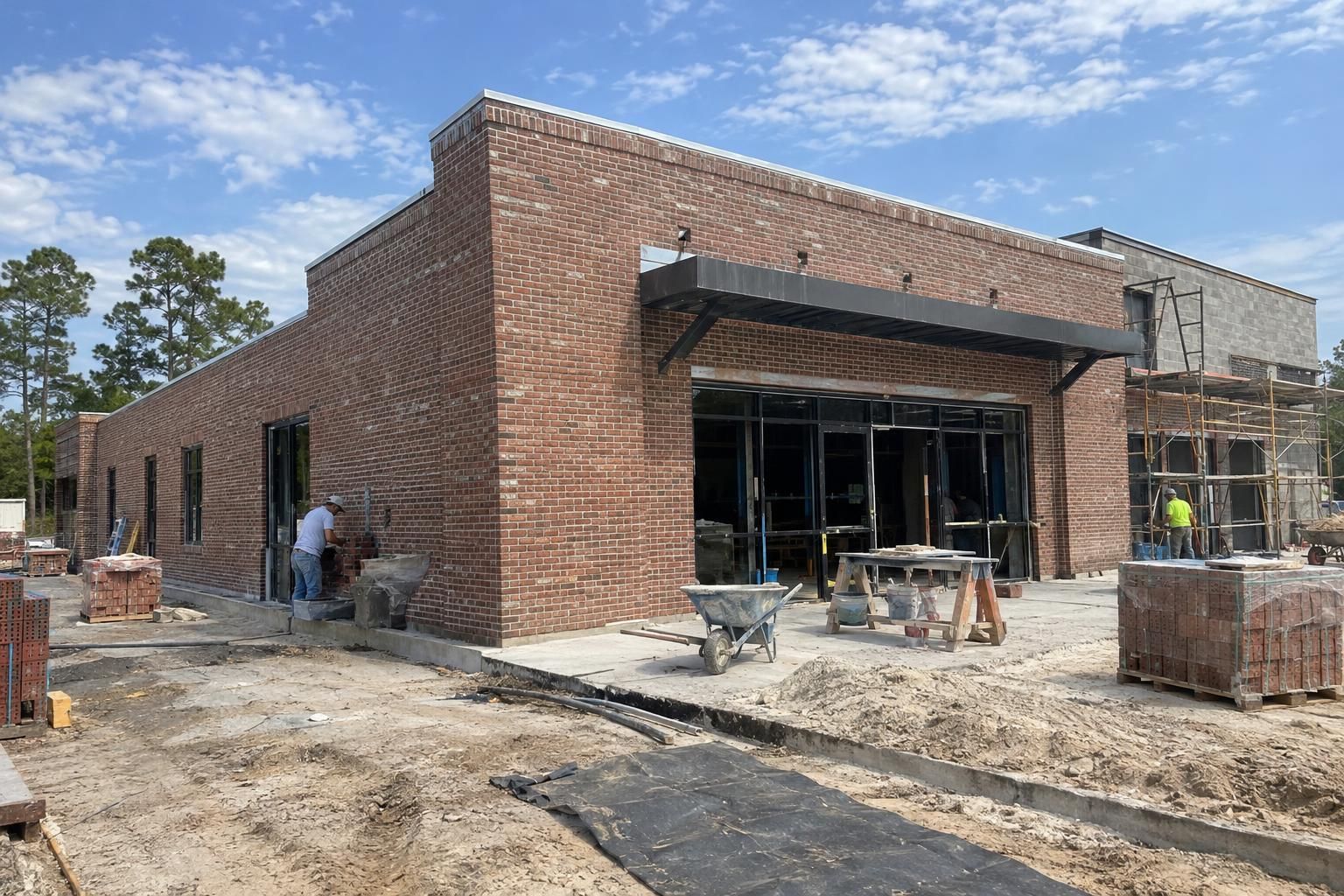
Price starts with square footage and the brick you pick.
What drives the cost →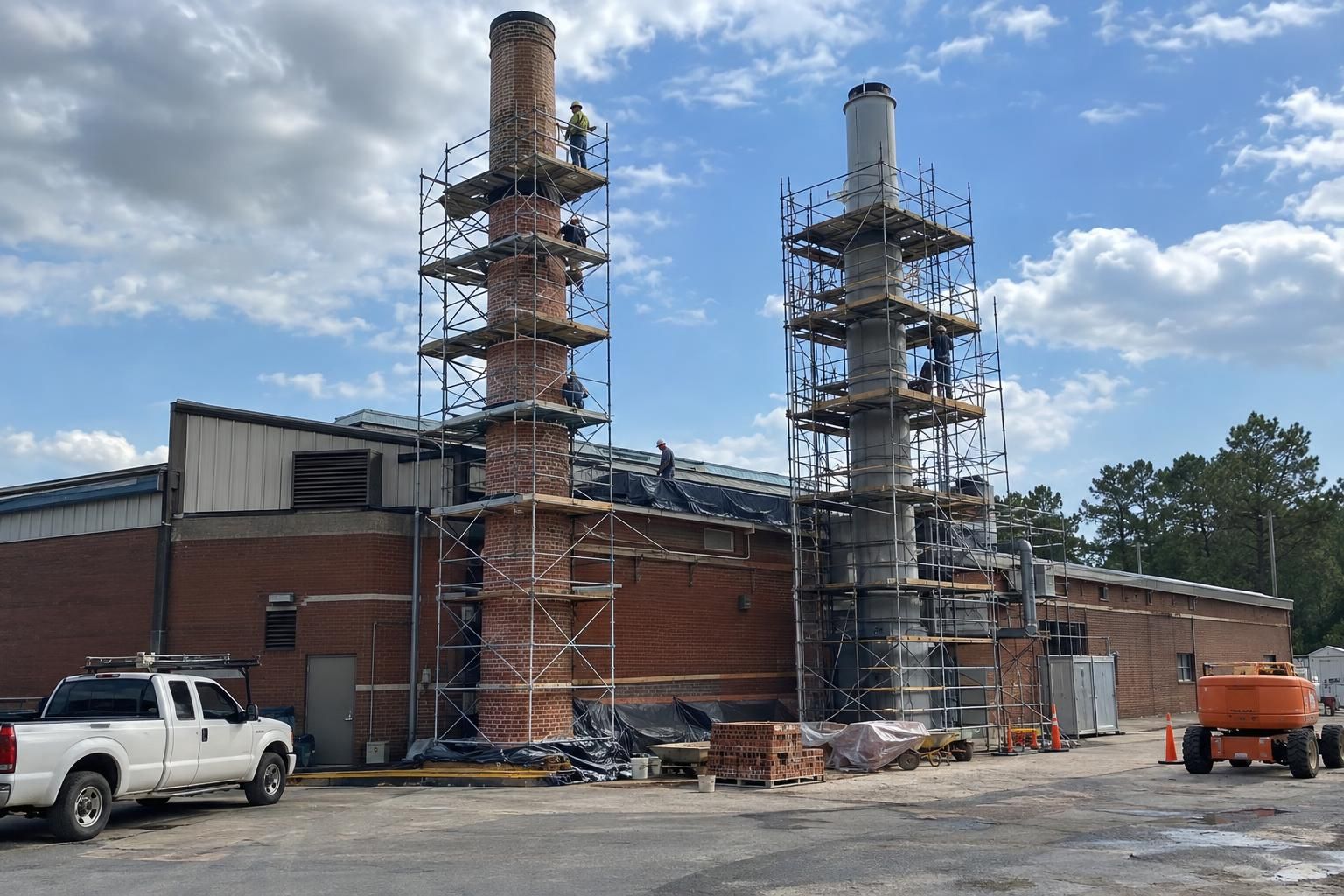
Height is the big one, because taller stacks take longer to reach and longer to work.
What drives the cost →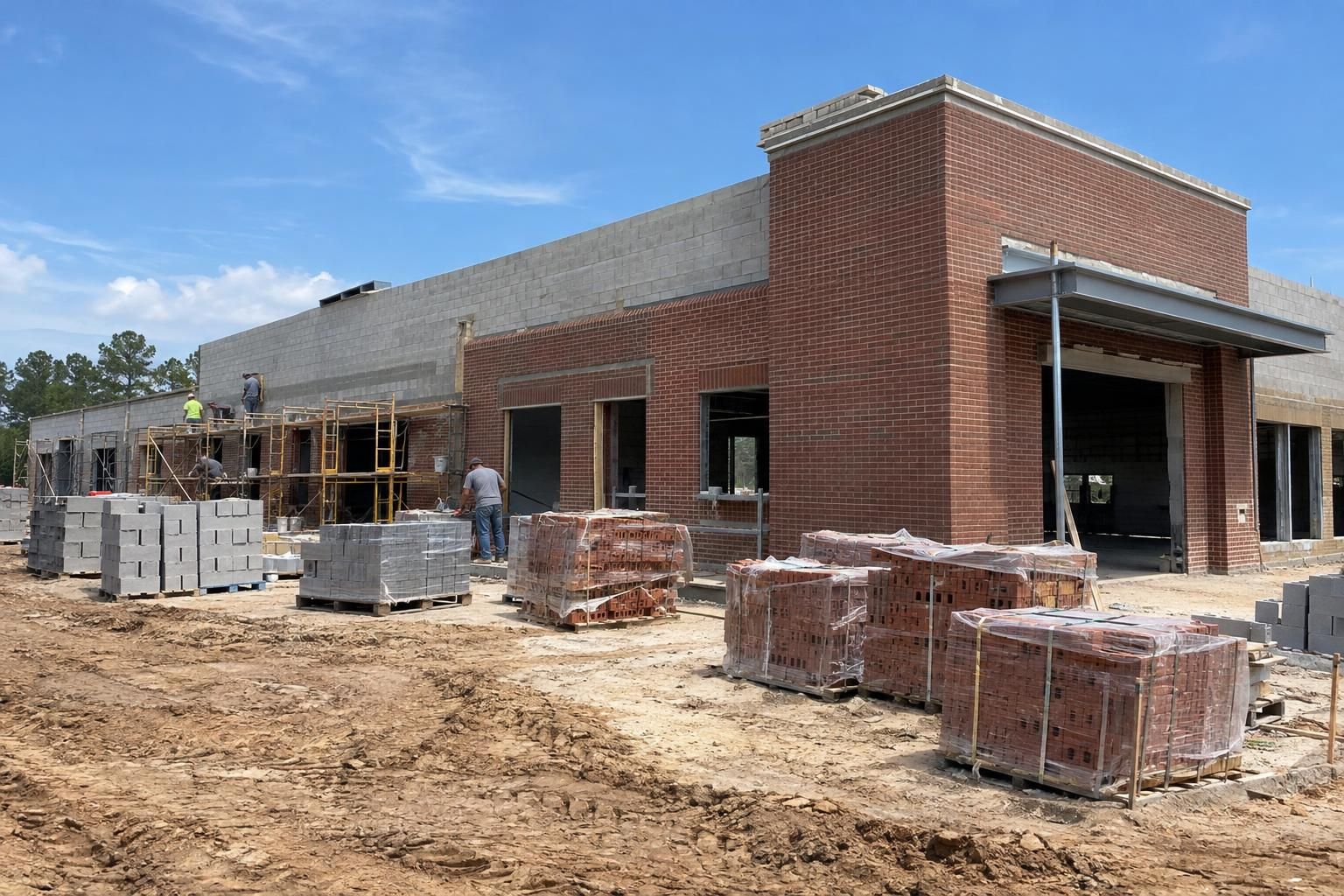
Scope and quantities come first.
What drives the cost →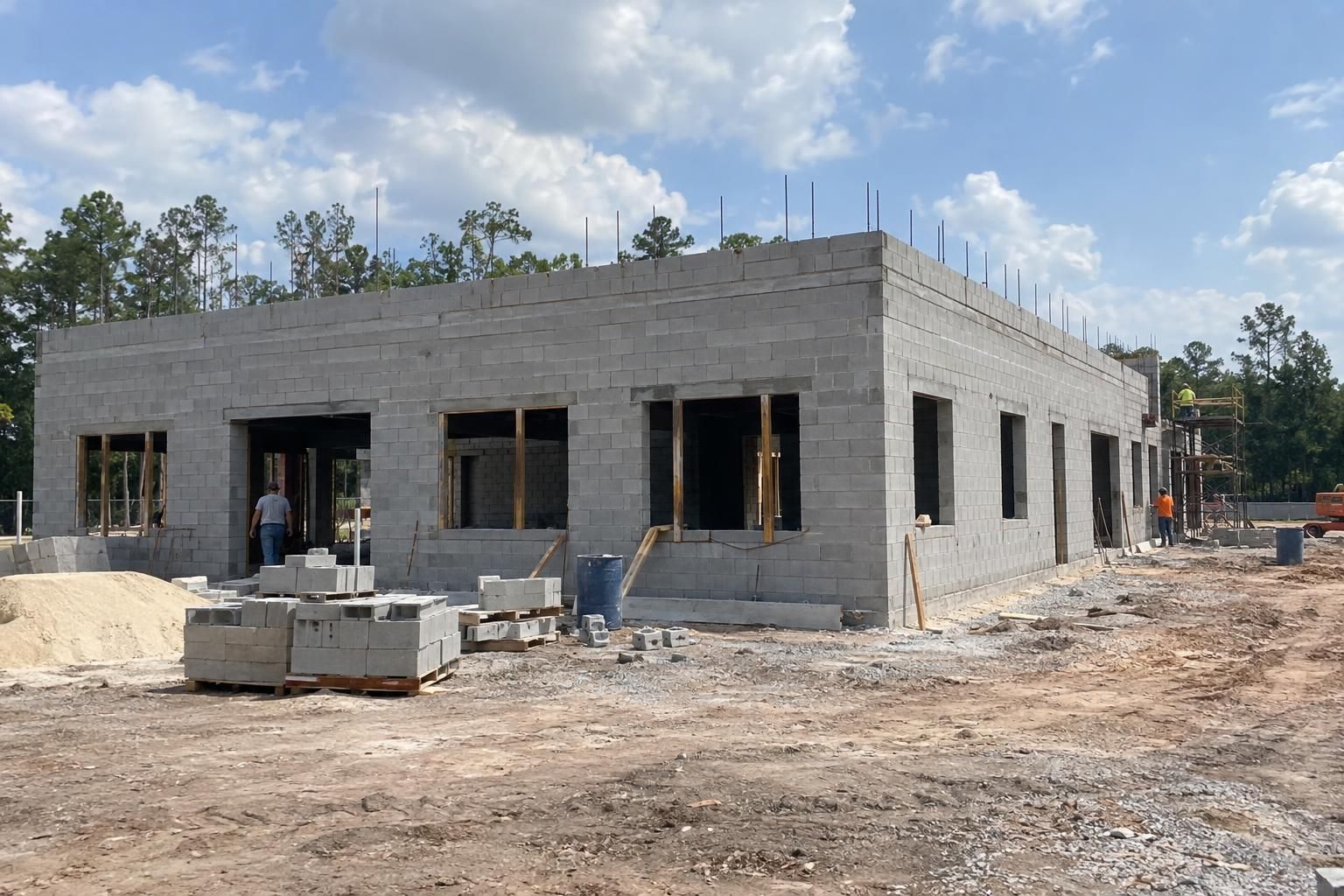
Price starts with wall area and height, because every square foot has to be laid and taller walls need scaffolding set up and moved.
What drives the cost →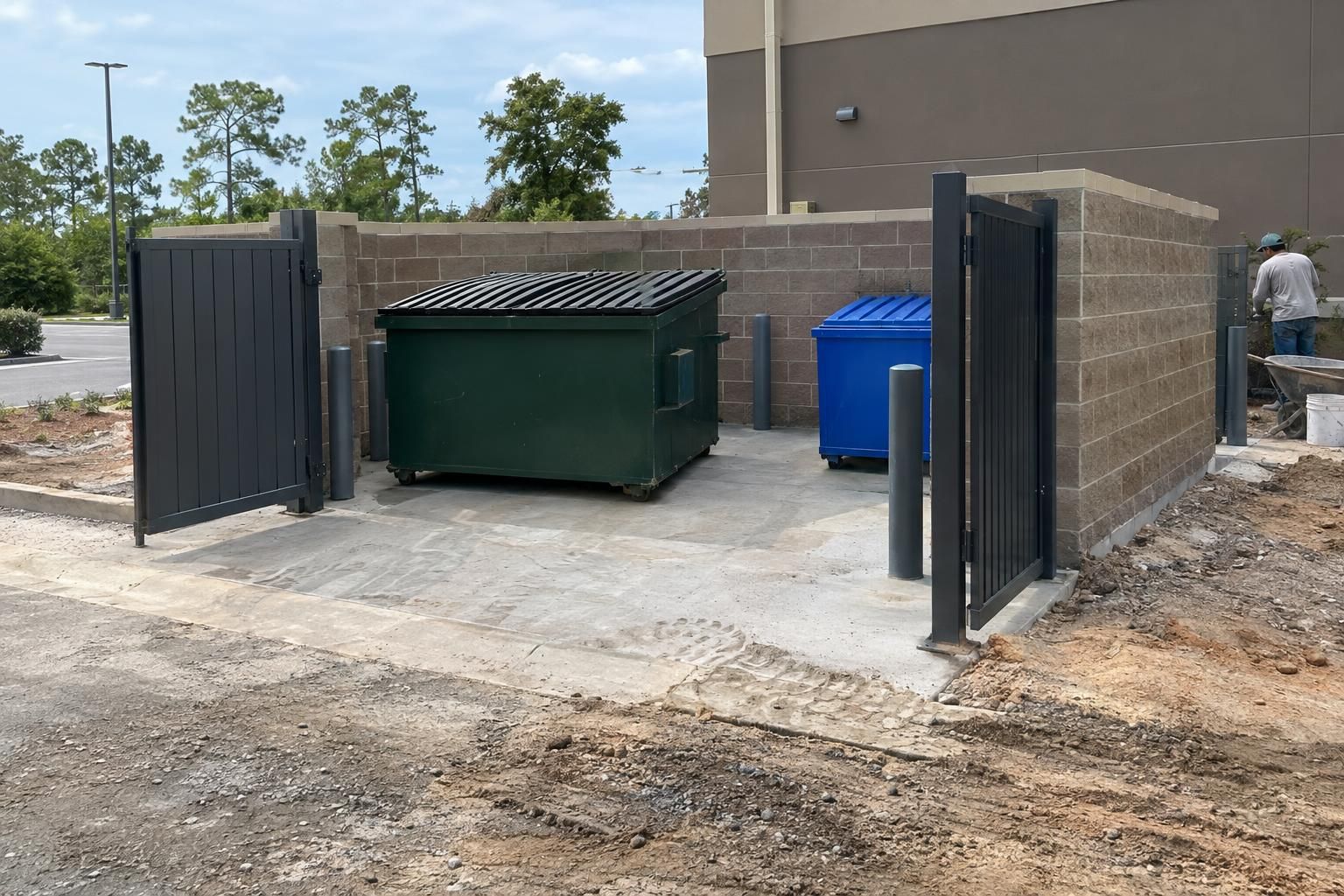
Size drives most of it.
What drives the cost →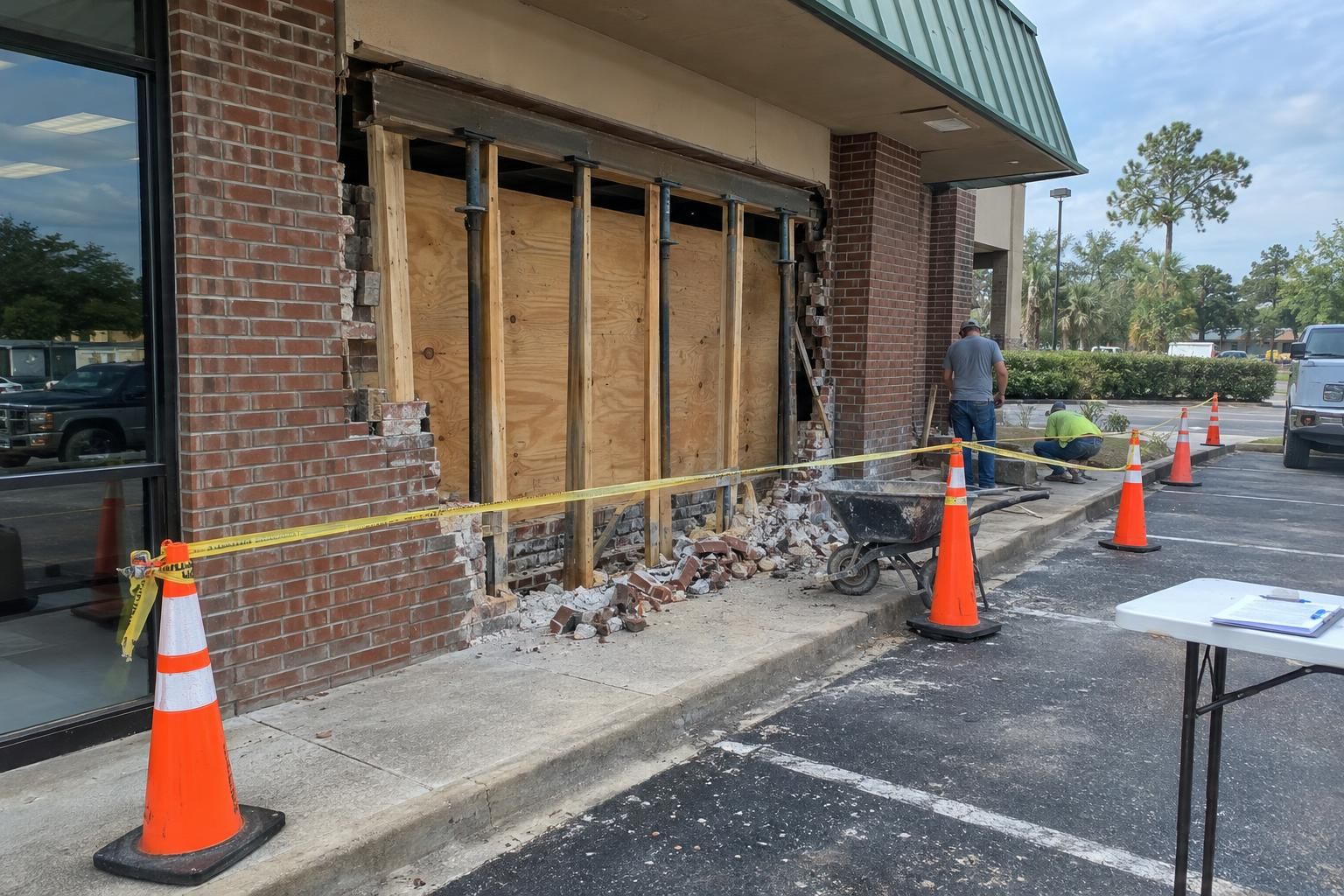
A few things move the price.
What drives the cost →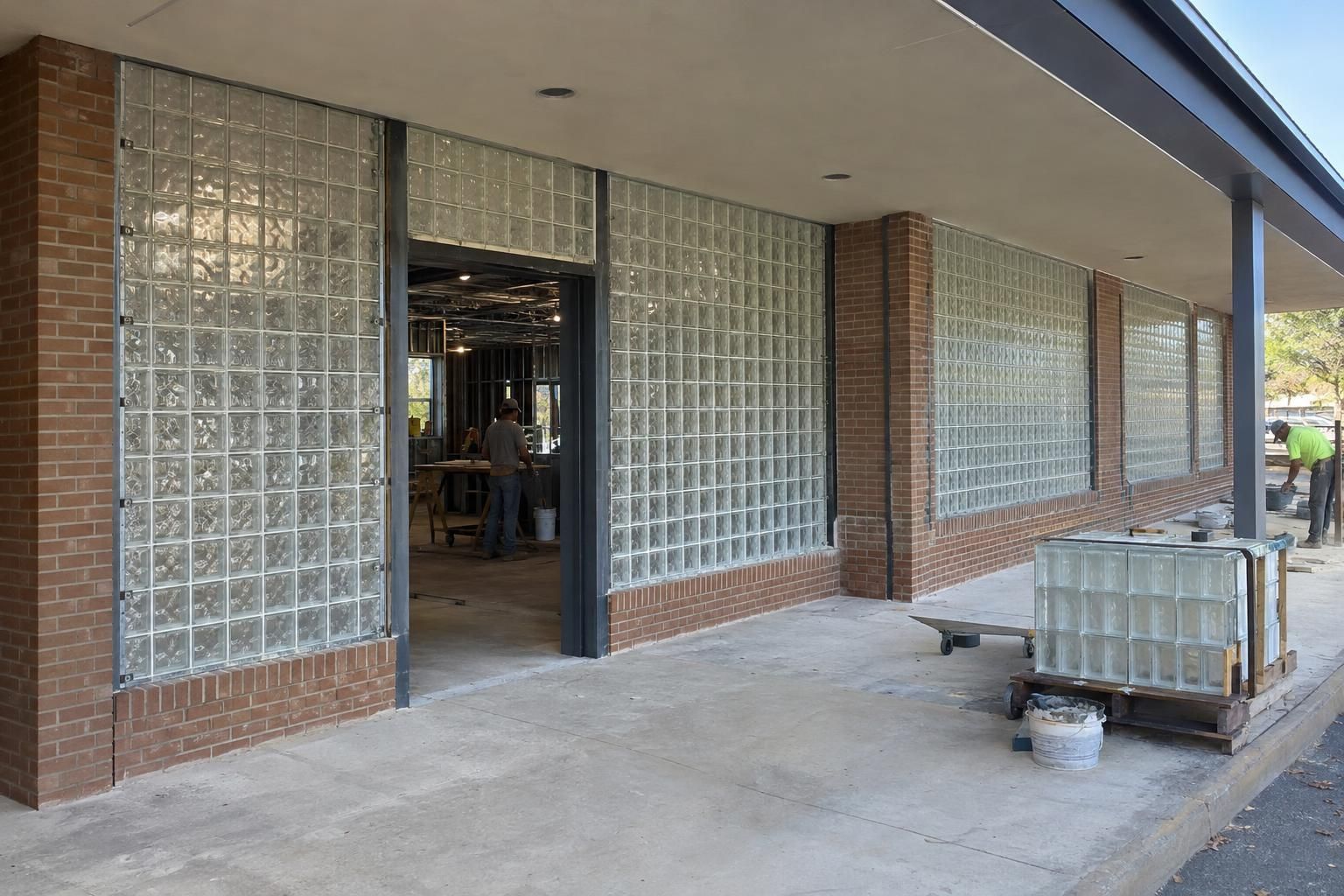
Panel area drives most of it, since more block means more mortar, reinforcing and labor.
What drives the cost →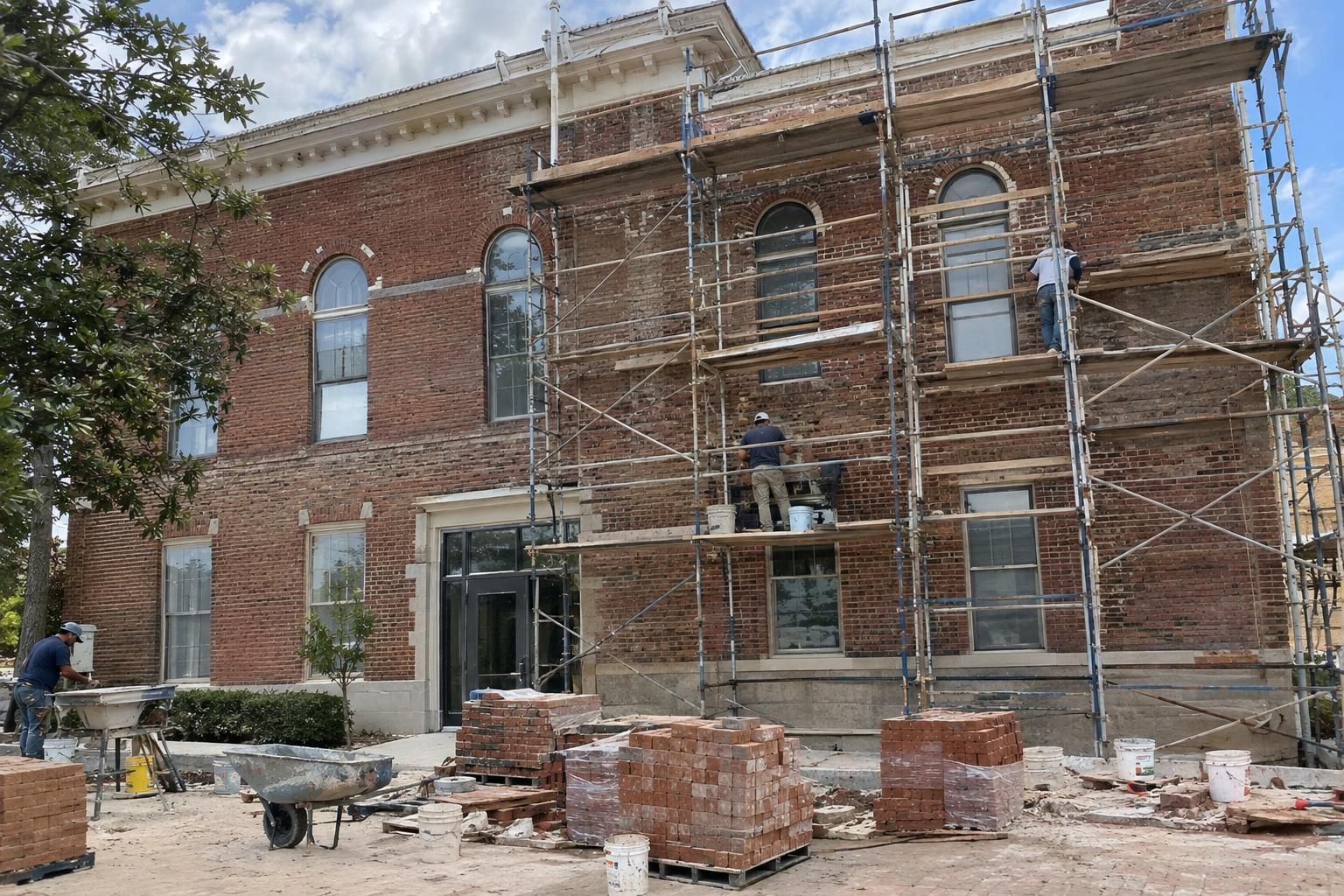
Building size comes first, and height counts as much as footprint, since scaffold or lifts are a real part of the job.
What drives the cost →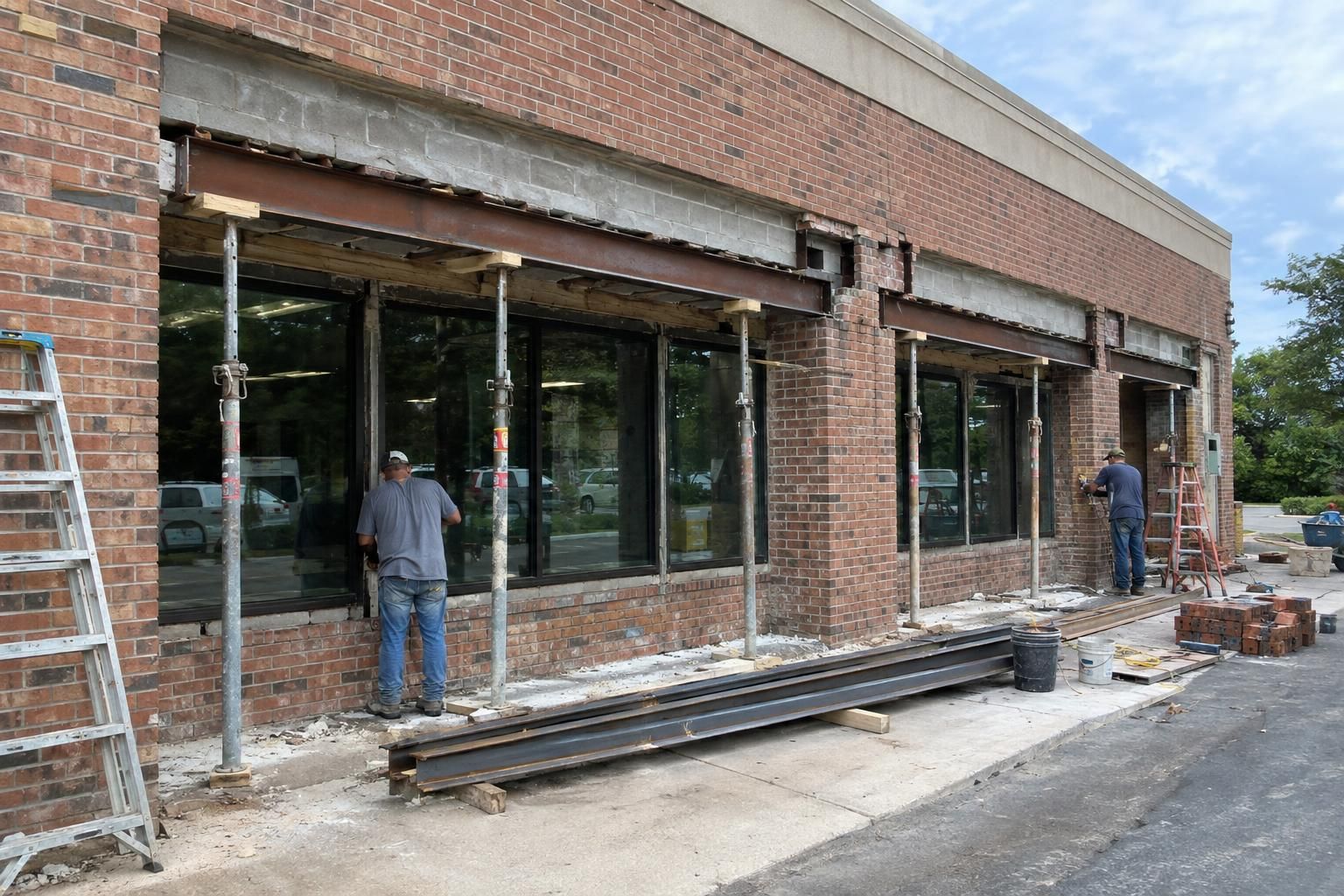
The biggest driver is linear feet of steel, along with the size of the steel the engineer calls for.
What drives the cost →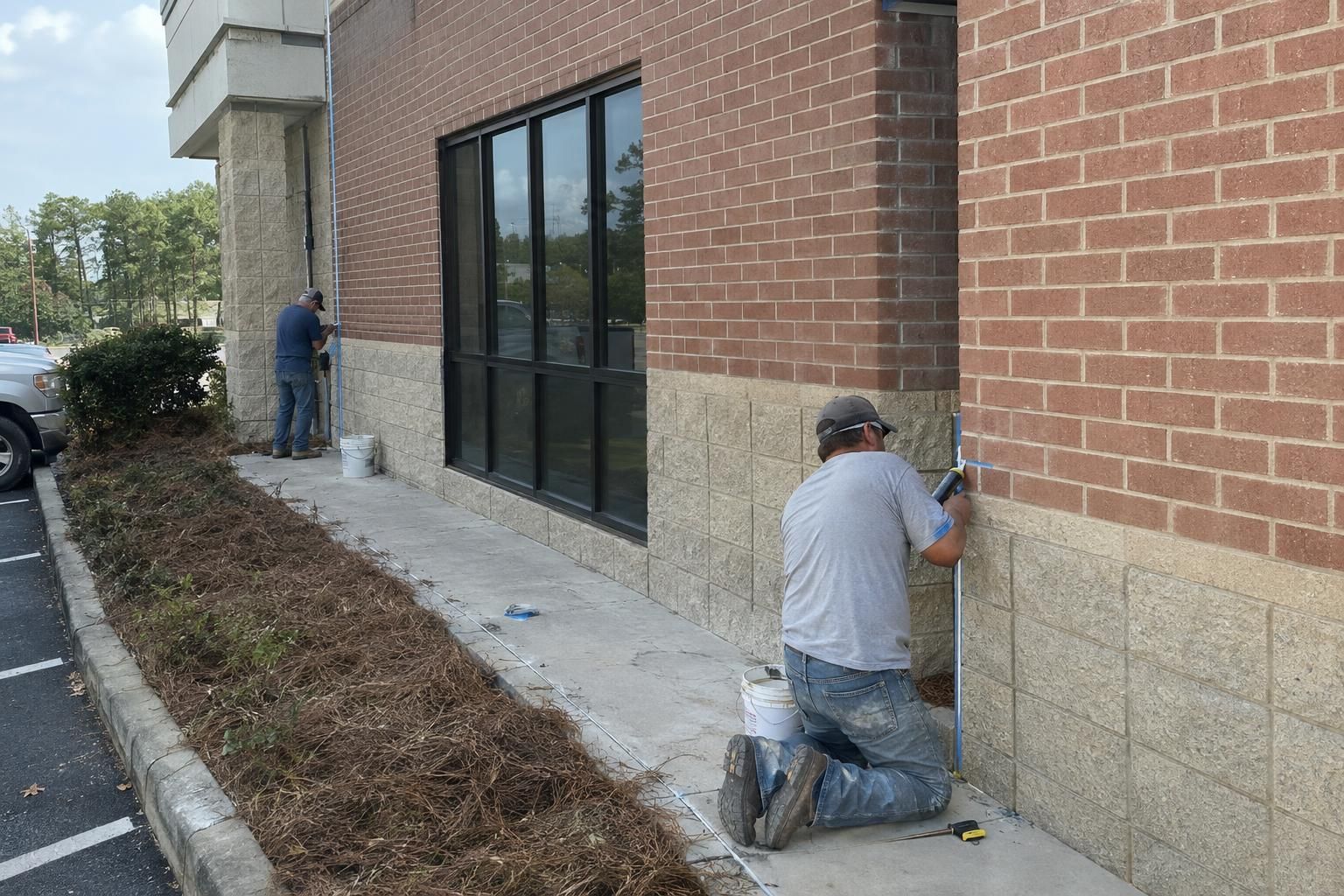
Mostly it comes down to linear feet.
What drives the cost →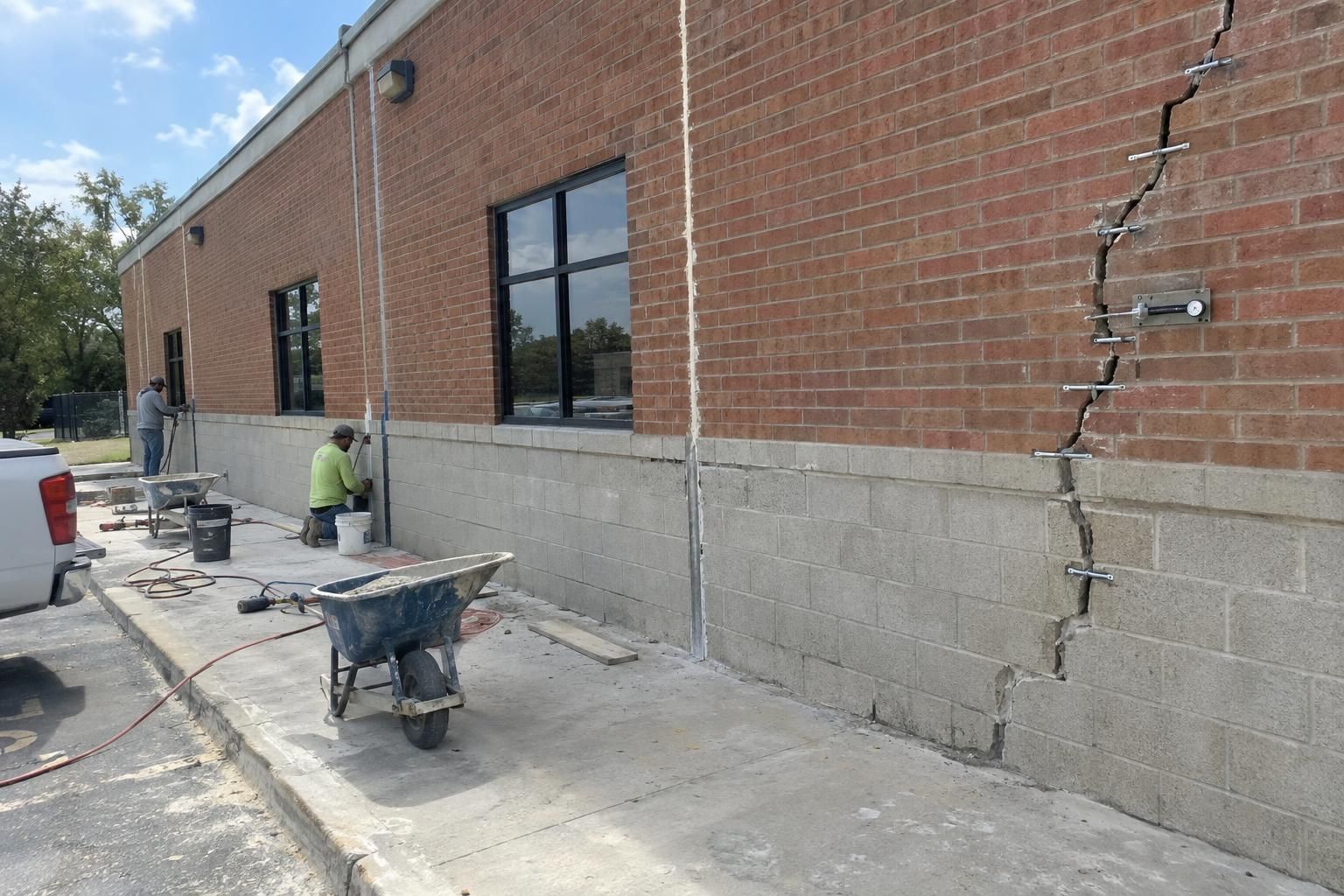
Price follows the work, and the biggest driver is usually the linear feet of crack.
What drives the cost →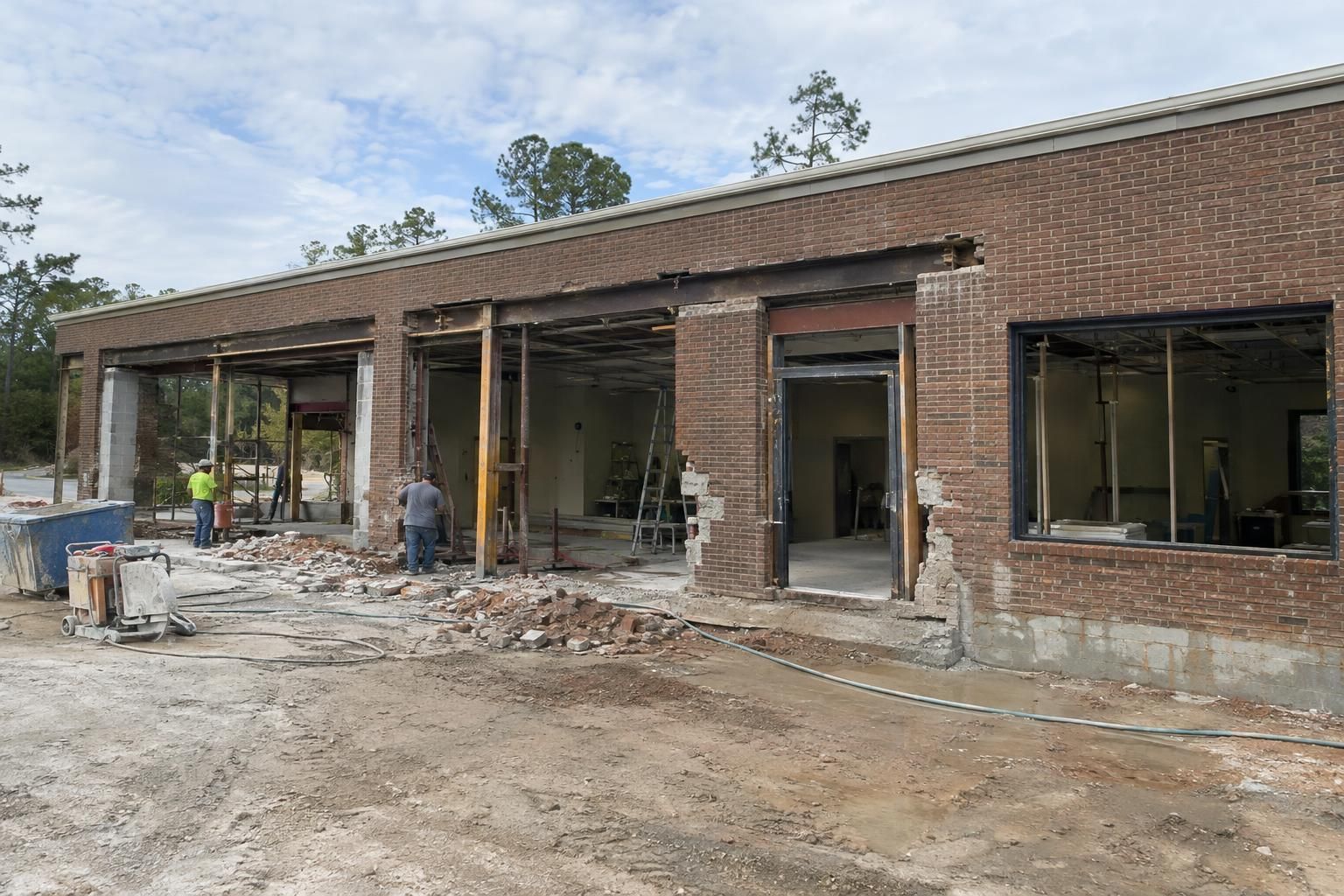
Price follows the work, so we look at the number and size of openings first.
What drives the cost →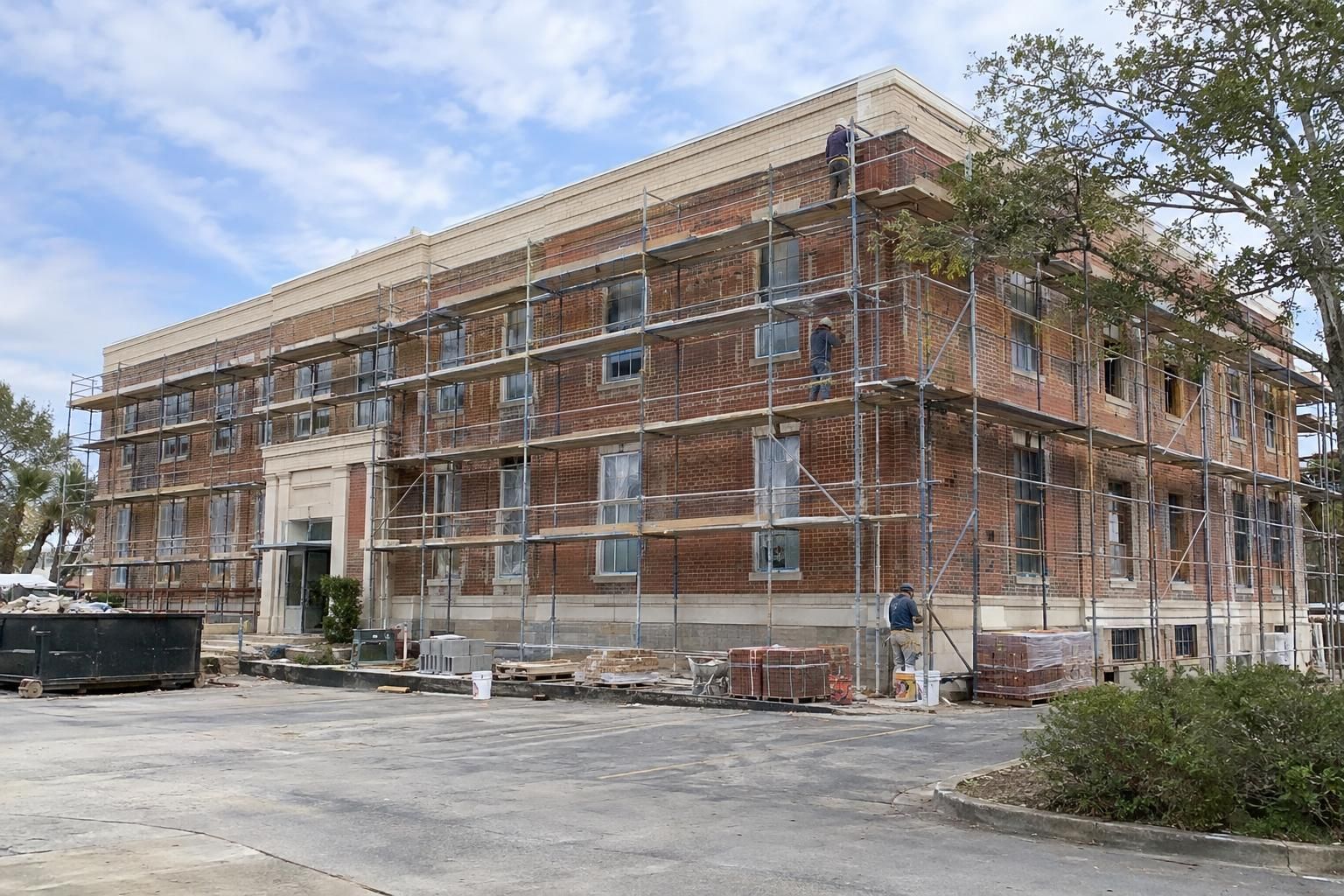
Size and height set the baseline, because more wall means more hours and taller wall means harder access.
What drives the cost →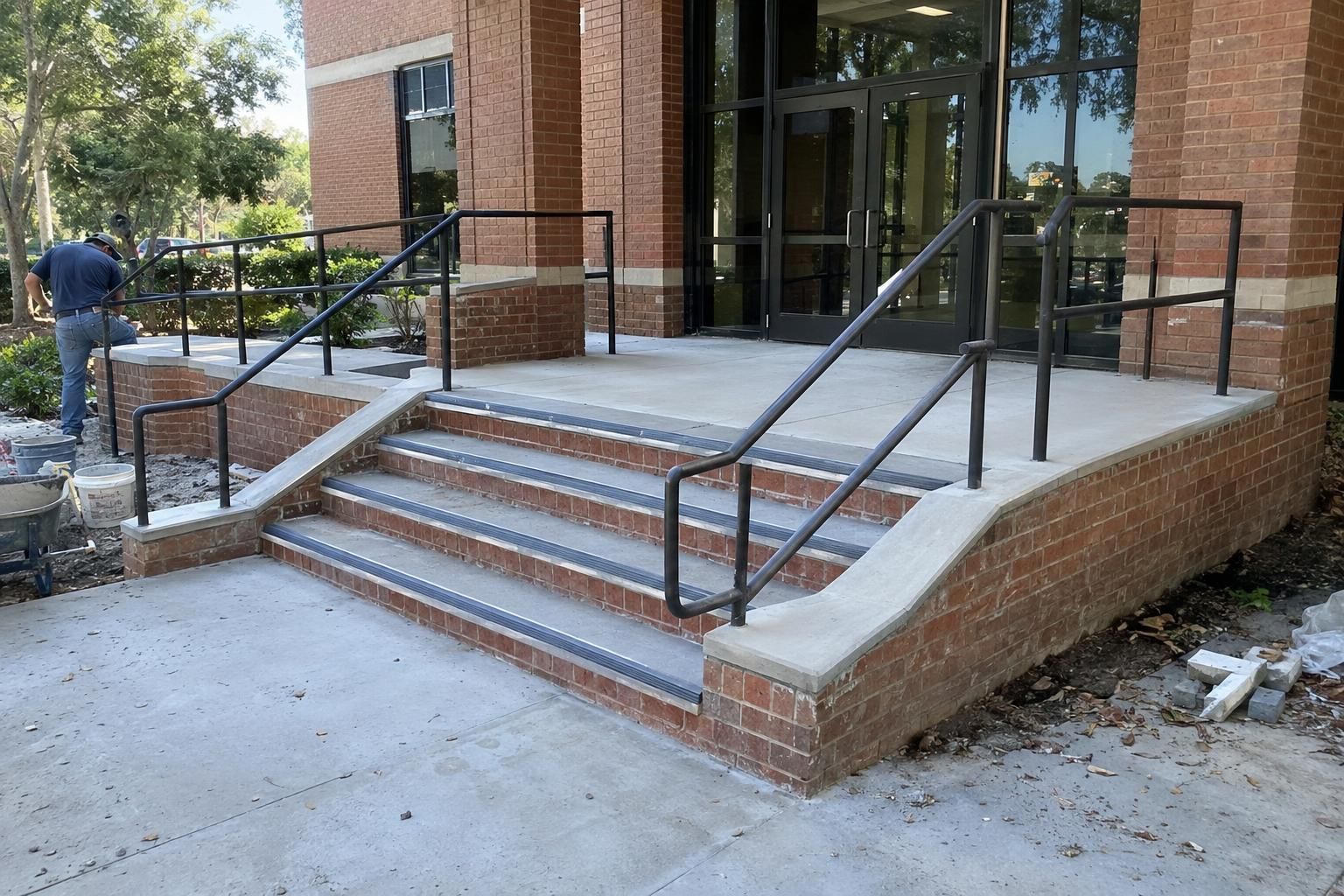
Size sets the baseline, since more steps and bigger landings mean more block, concrete and labor.
What drives the cost →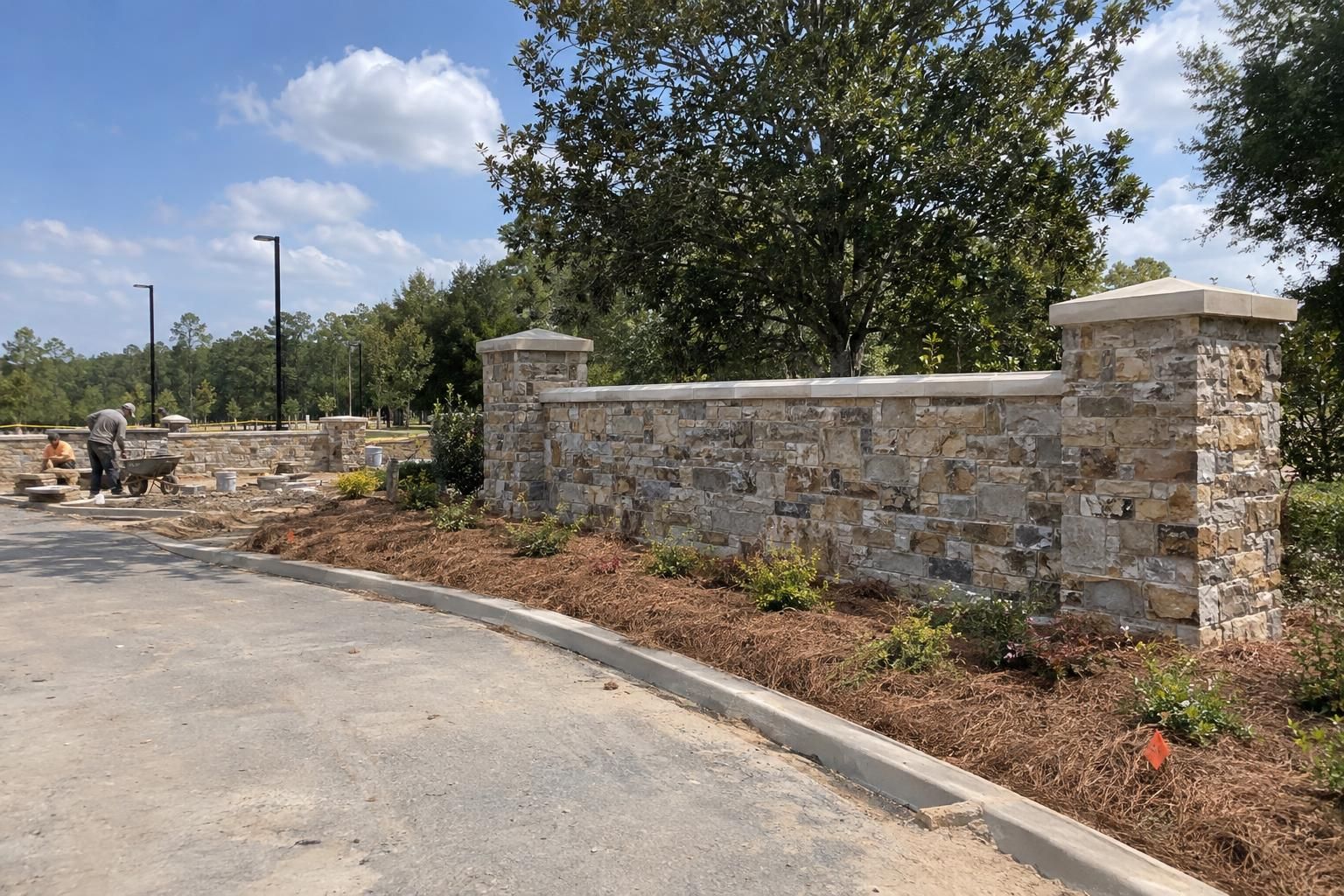
Linear feet and height come first, because a taller wall needs a thicker core and a deeper footing.
What drives the cost →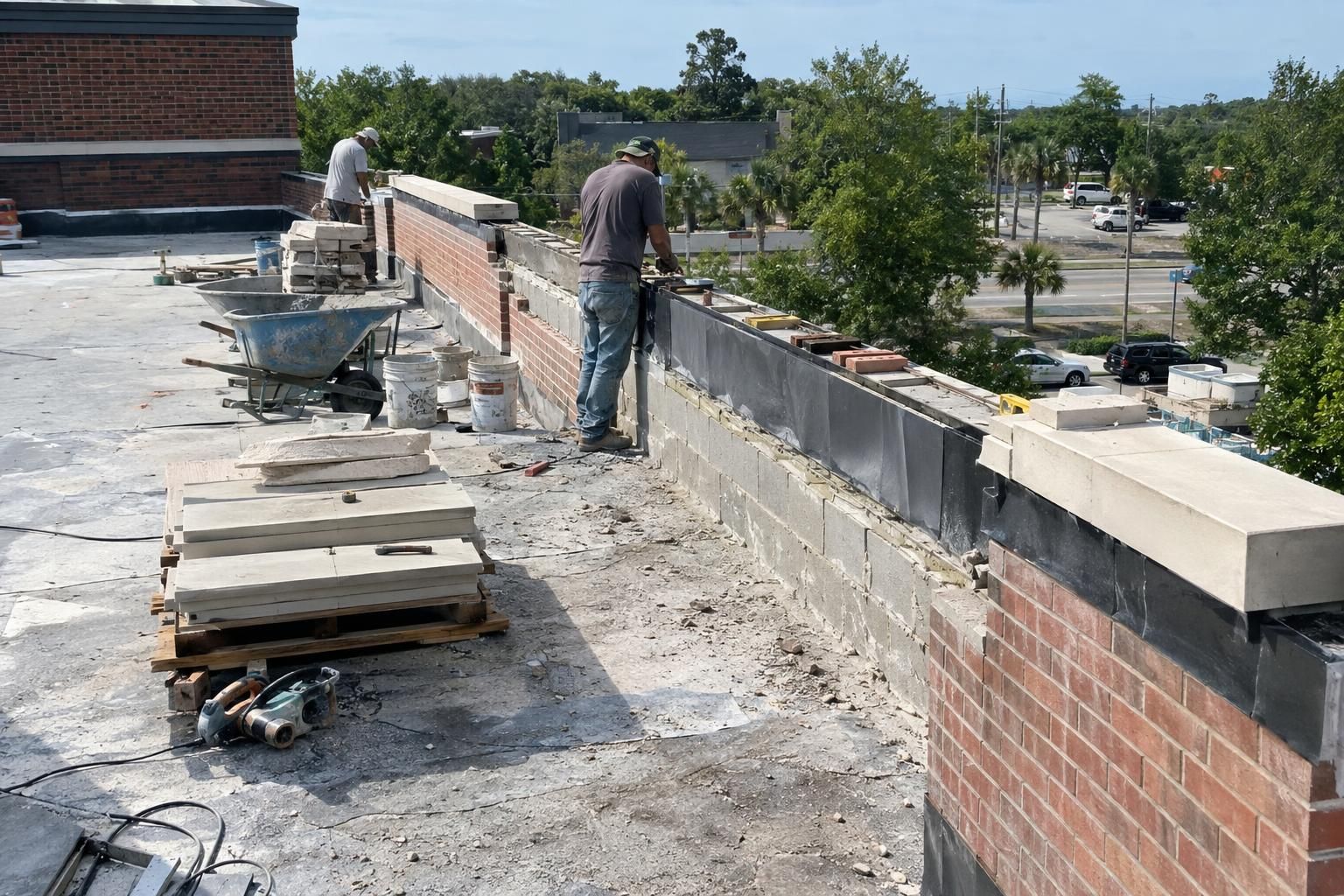
Price follows the work, and a few things move it most.
What drives the cost →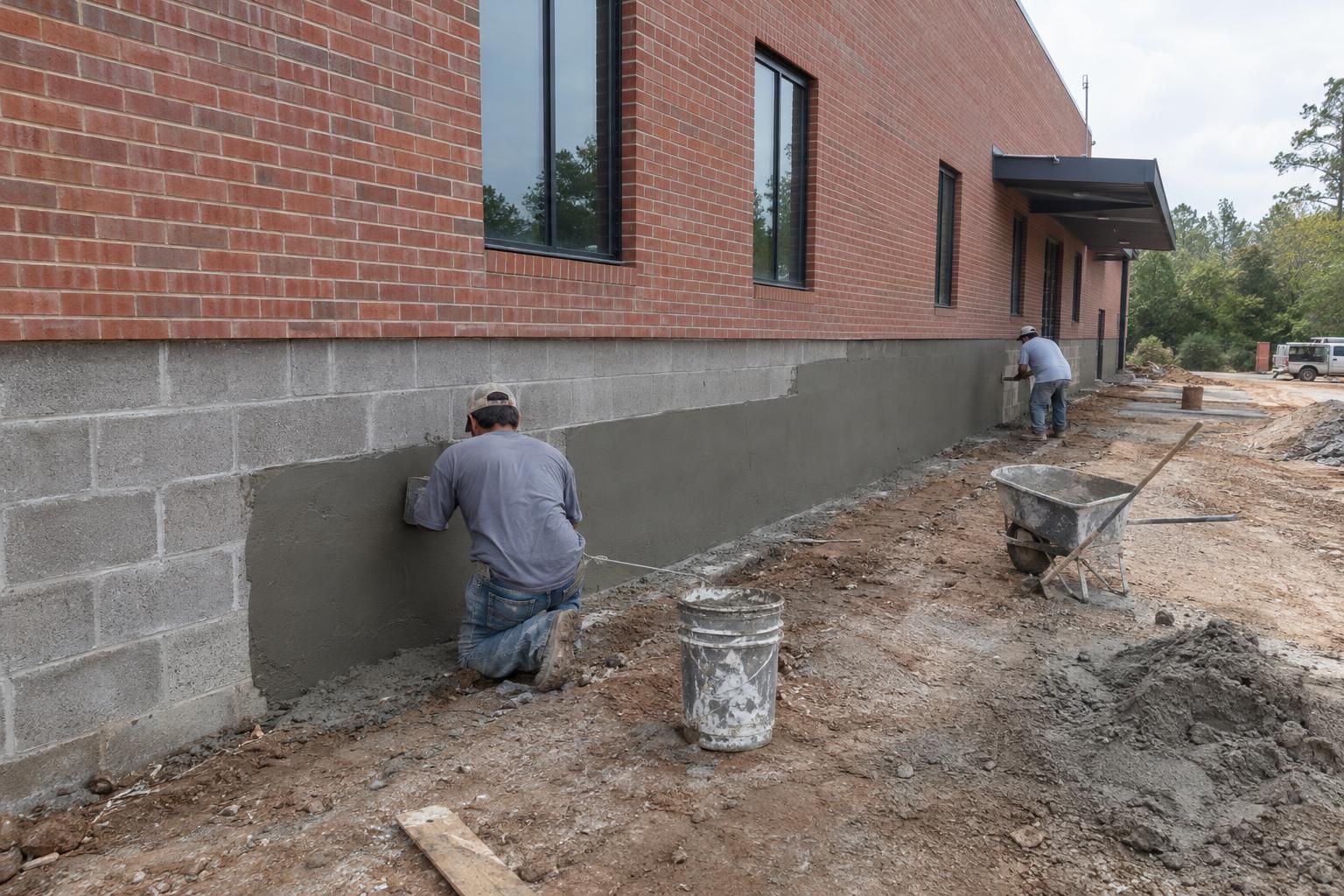
Mostly it's wall area and how we get to it.
What drives the cost →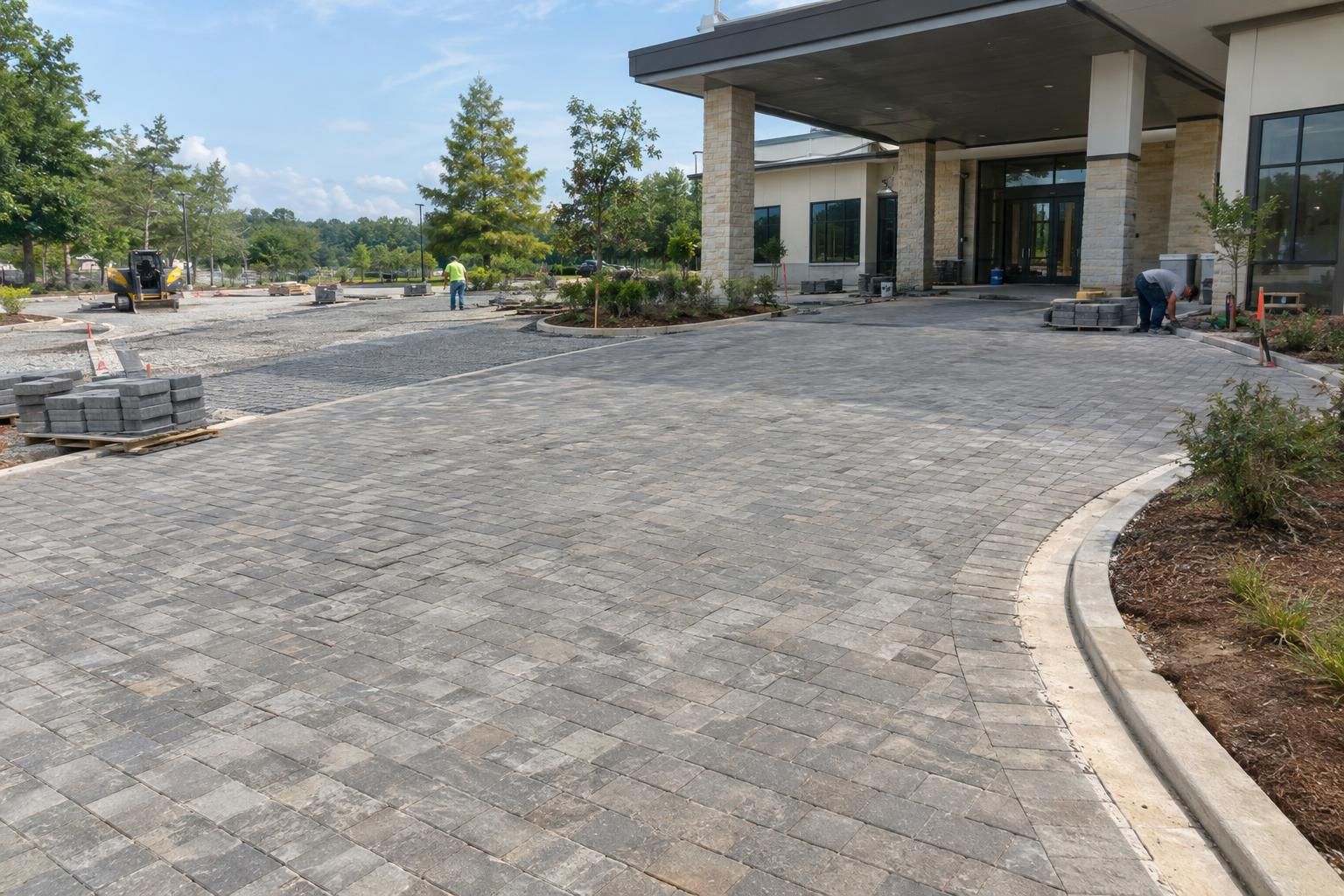
Area comes first, since every square foot needs stone, bedding and pavers.
What drives the cost →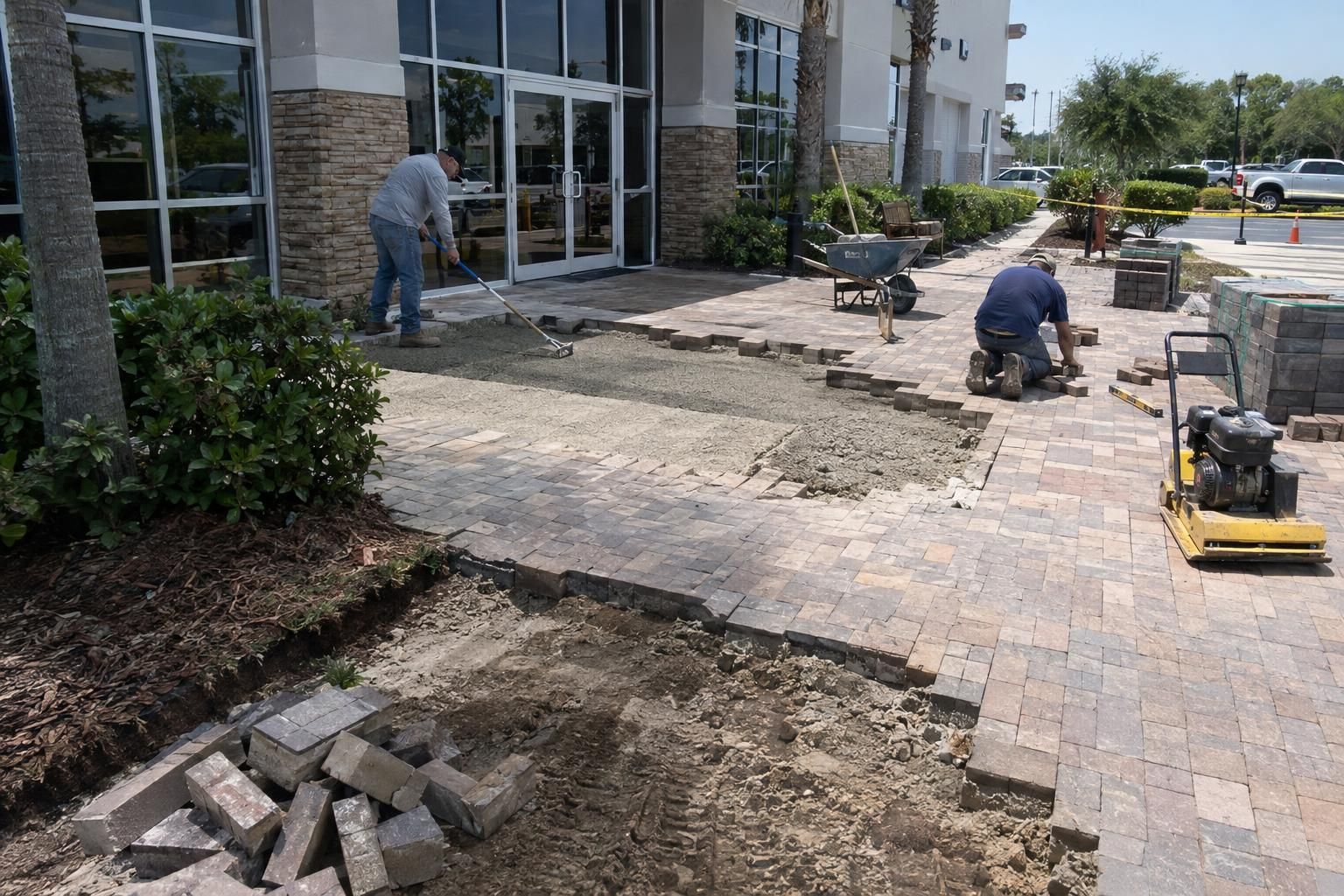
The number and size of the repair areas drive the price more than anything else.
What drives the cost →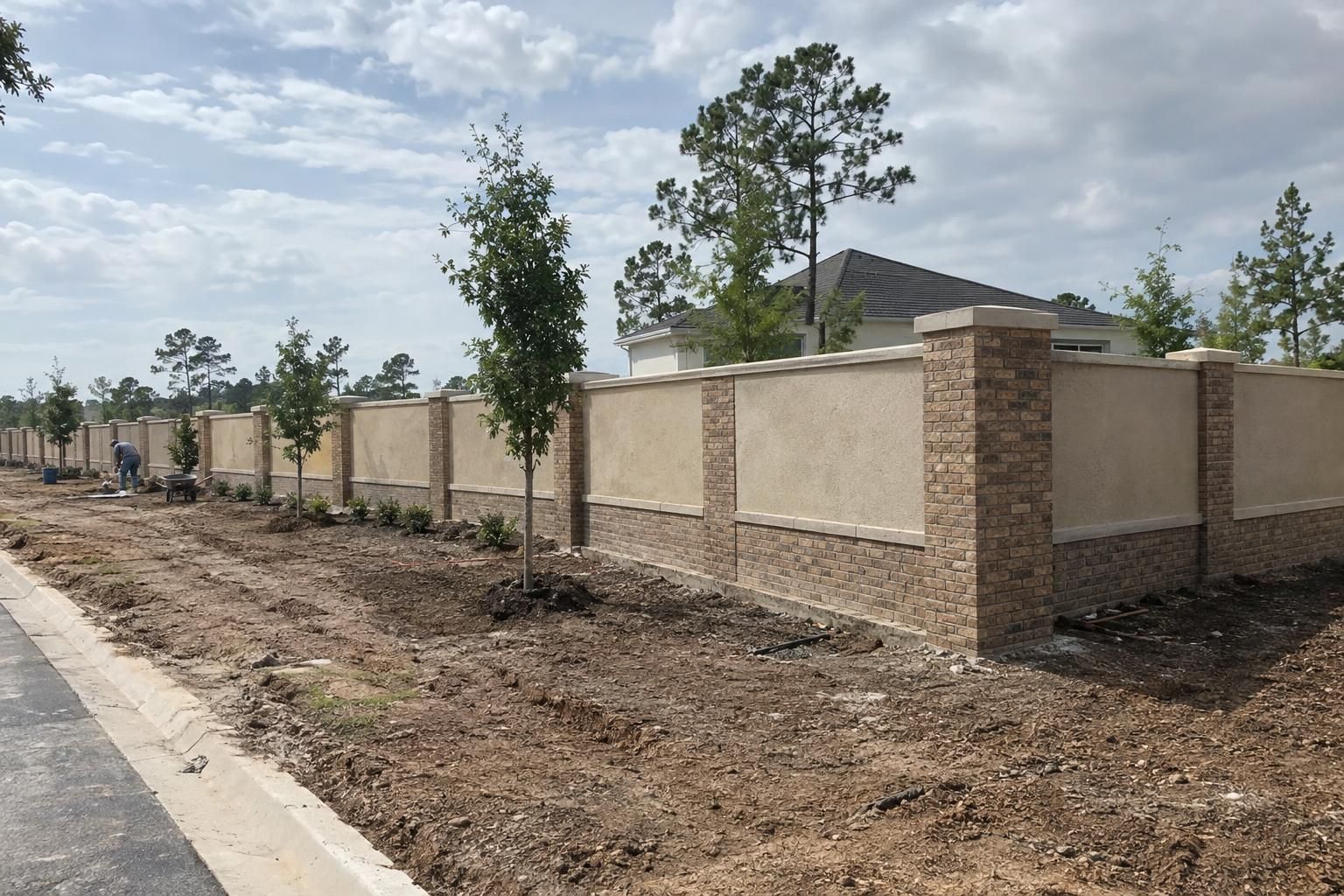
Linear feet drive the price first, then height, because taller walls need deeper footings and more steel.
What drives the cost →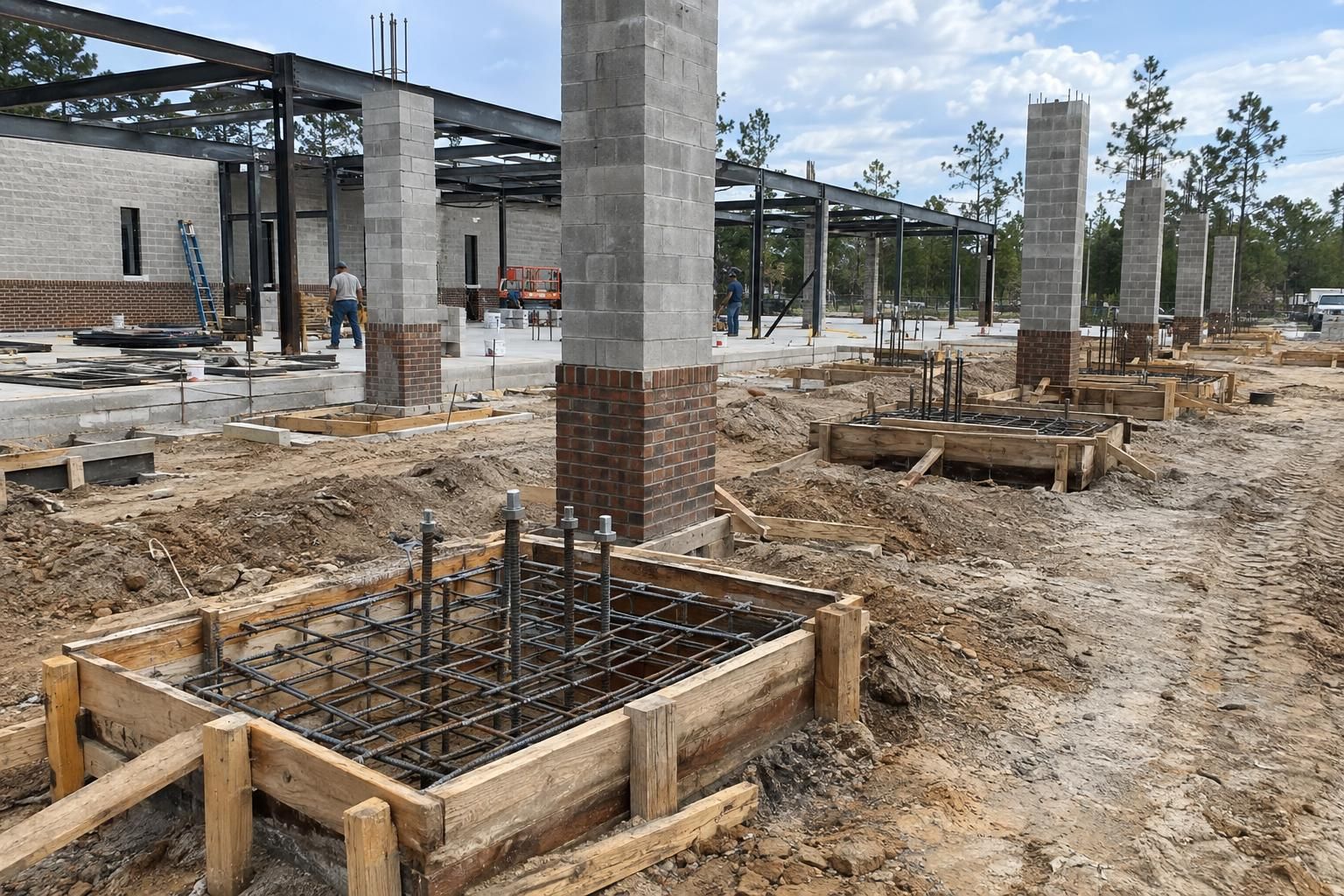
Price follows the drawings.
What drives the cost →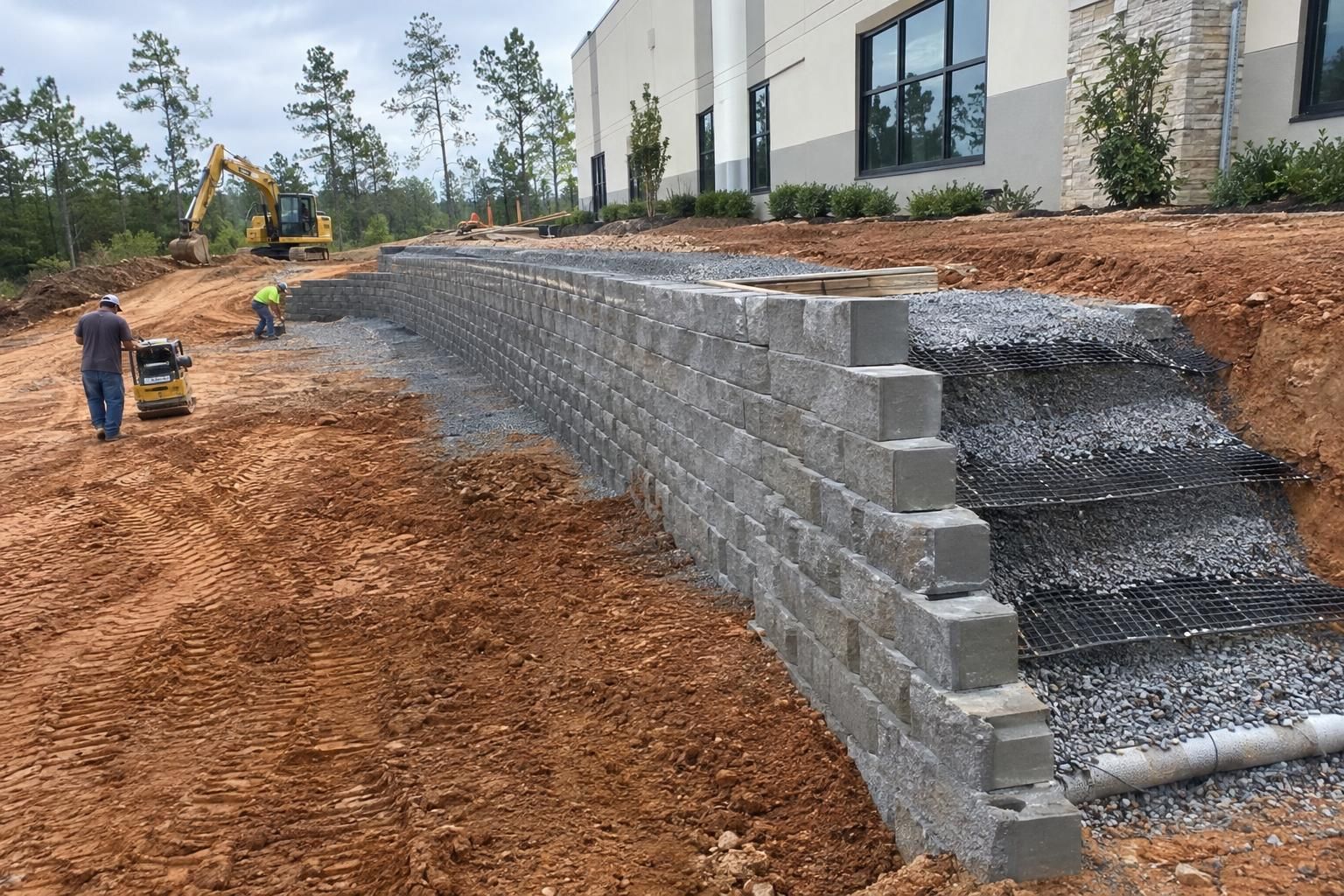
Price follows the wall itself.
What drives the cost →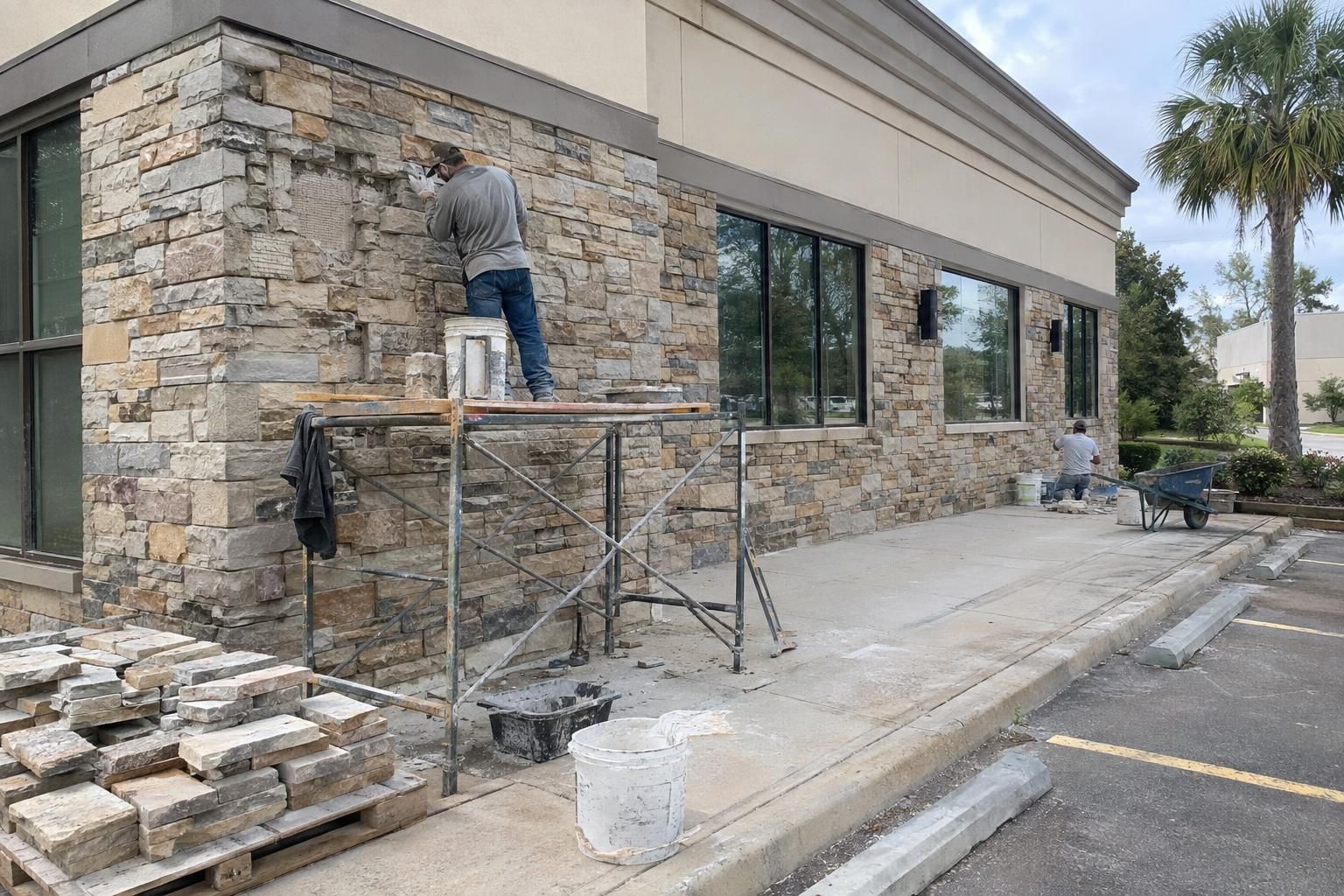
Several things set the price.
What drives the cost →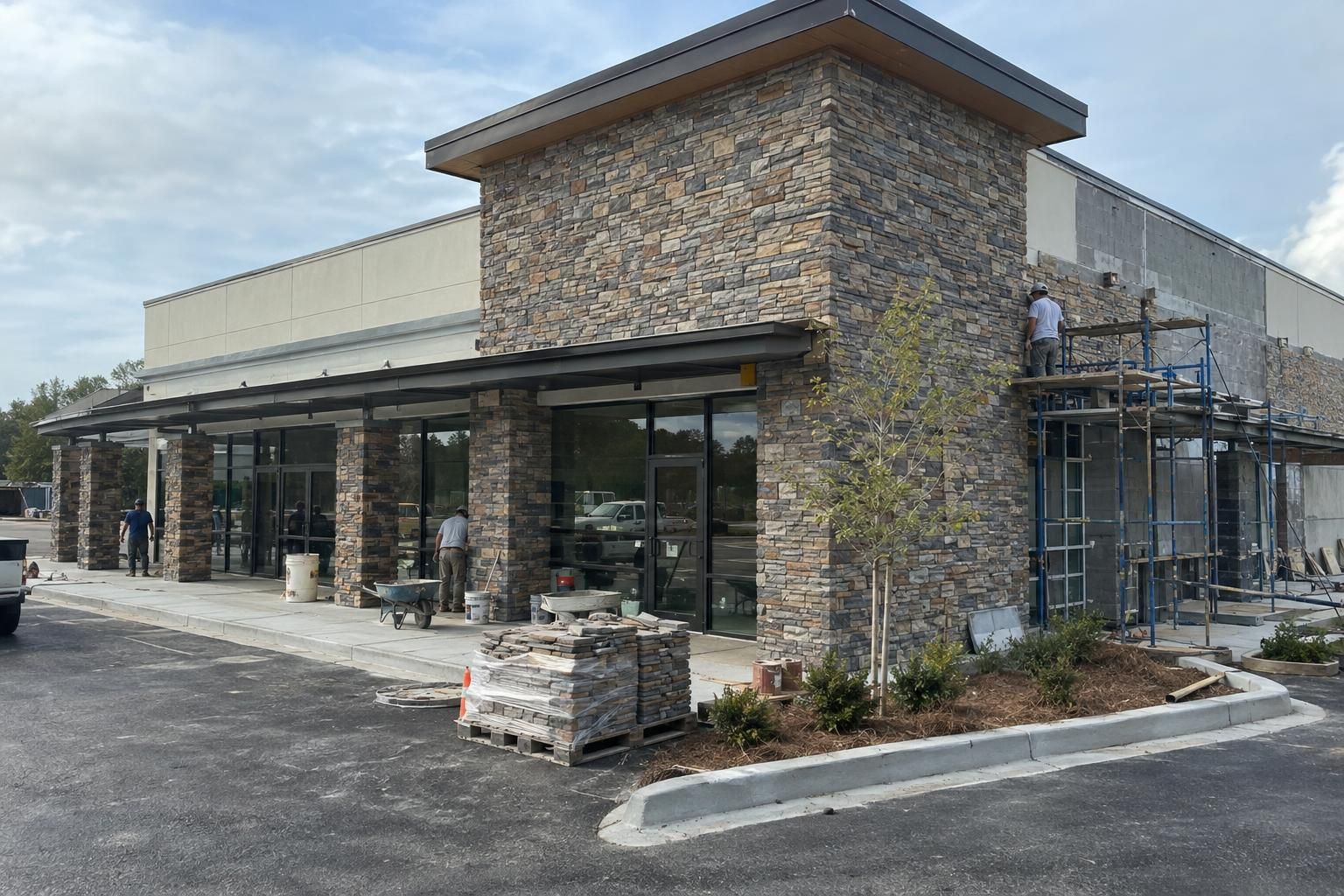
Area sets the base, but stone type moves the price most.
What drives the cost →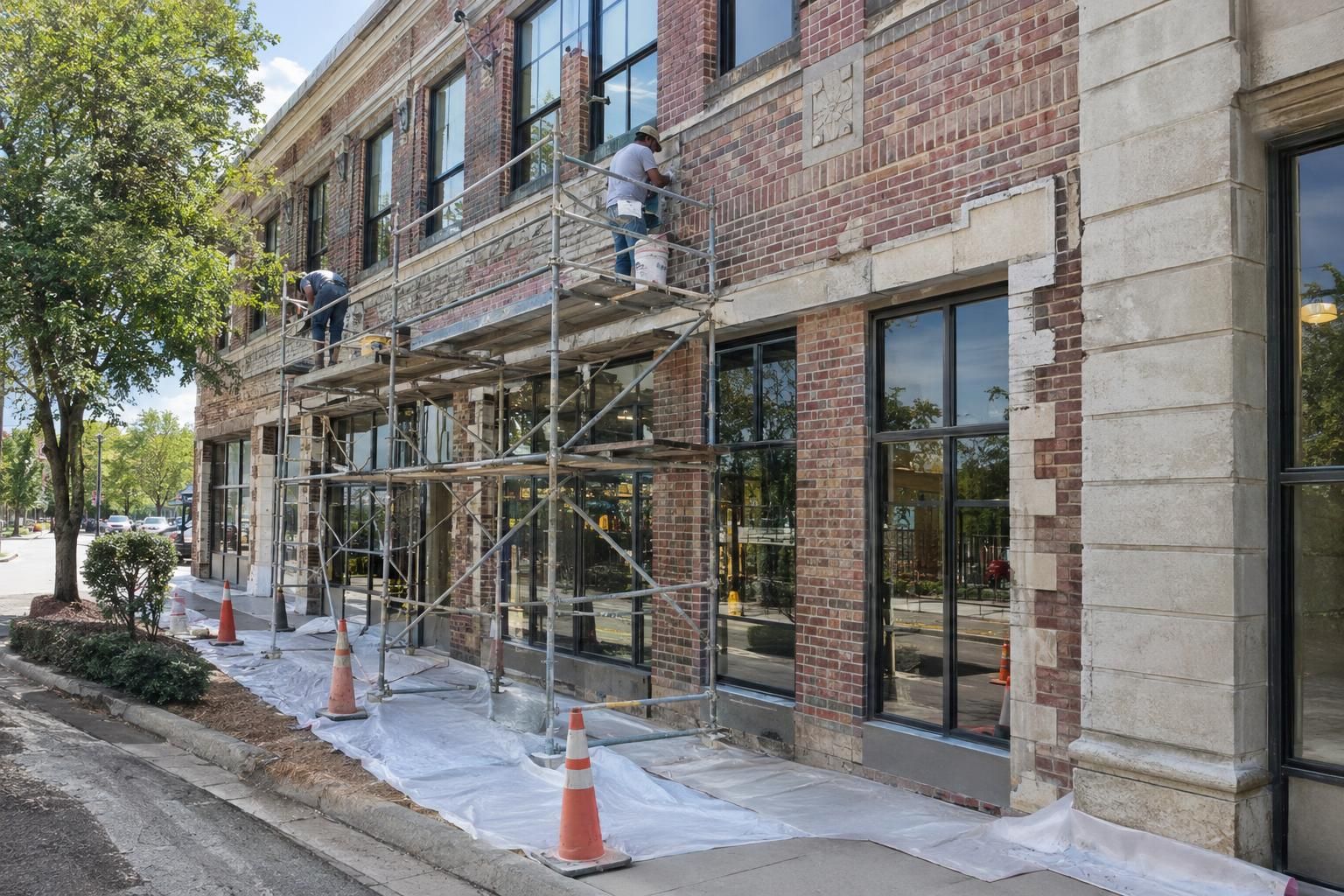
Height and width of the facade set the base, since a taller wall means more scaffold or lift time.
What drives the cost →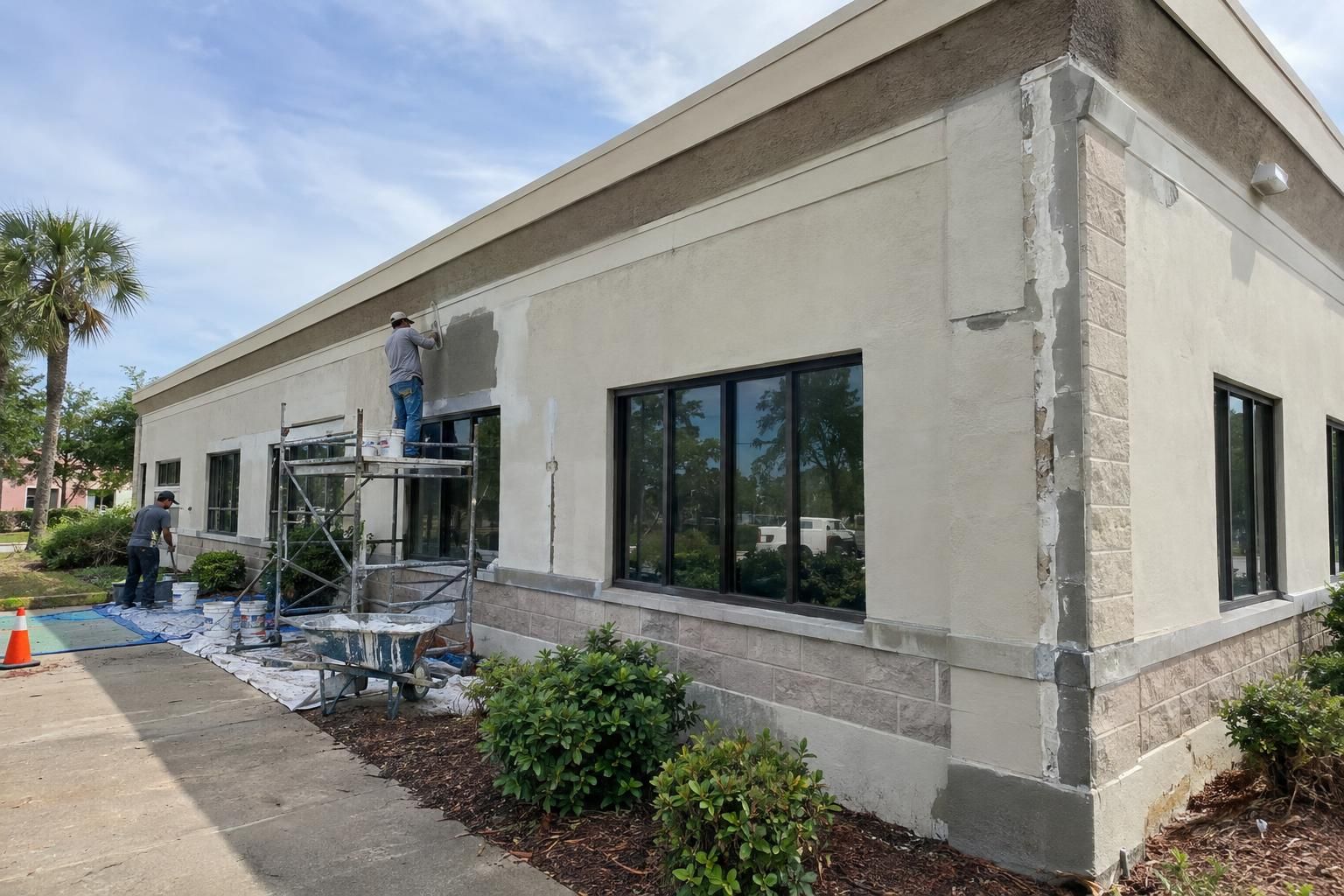
Price follows wall area first, then system type, since EIFS and cement stucco take different materials and labor.
What drives the cost →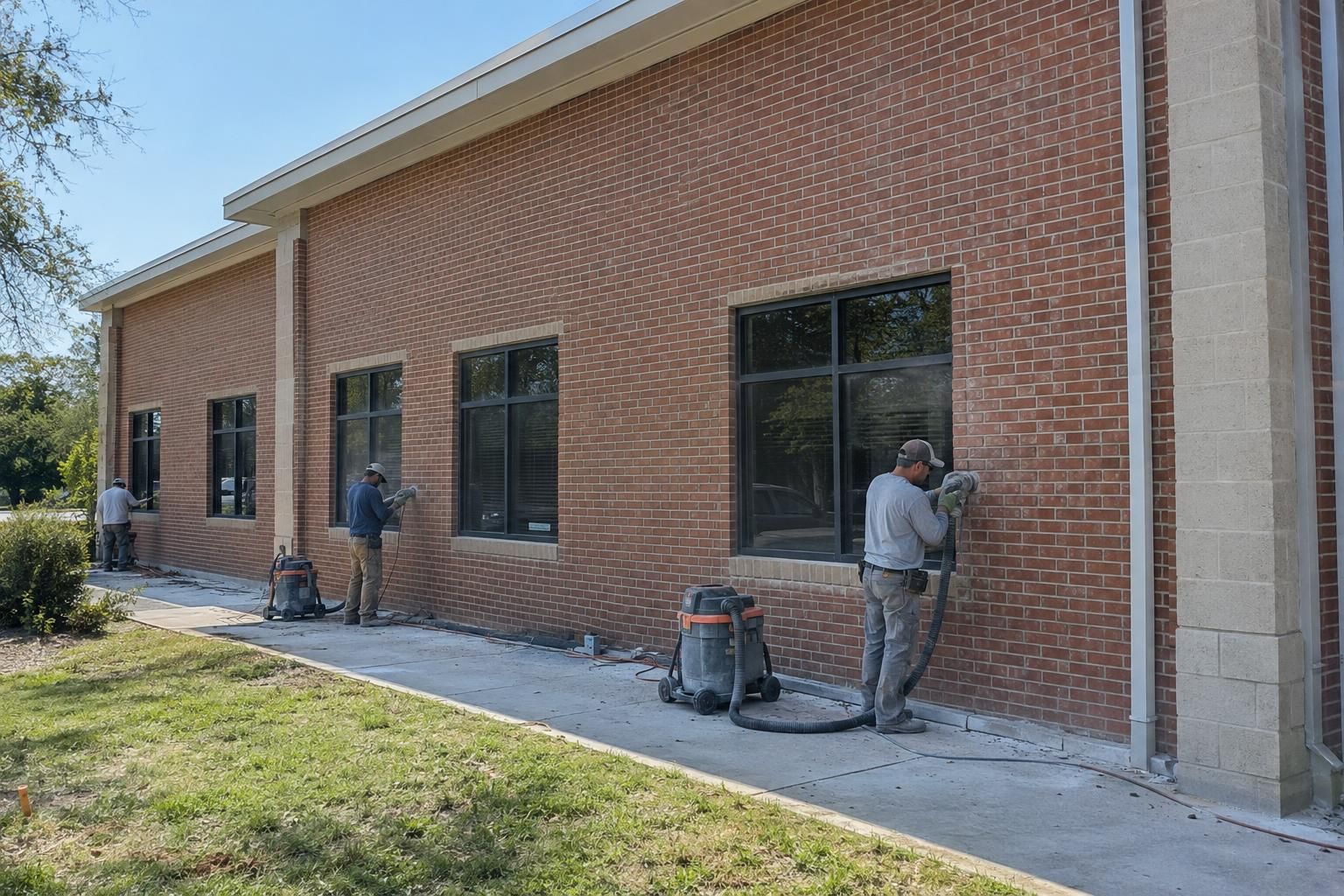
The biggest driver is total wall area, because every linear foot of joint gets cut and filled by hand.
What drives the cost →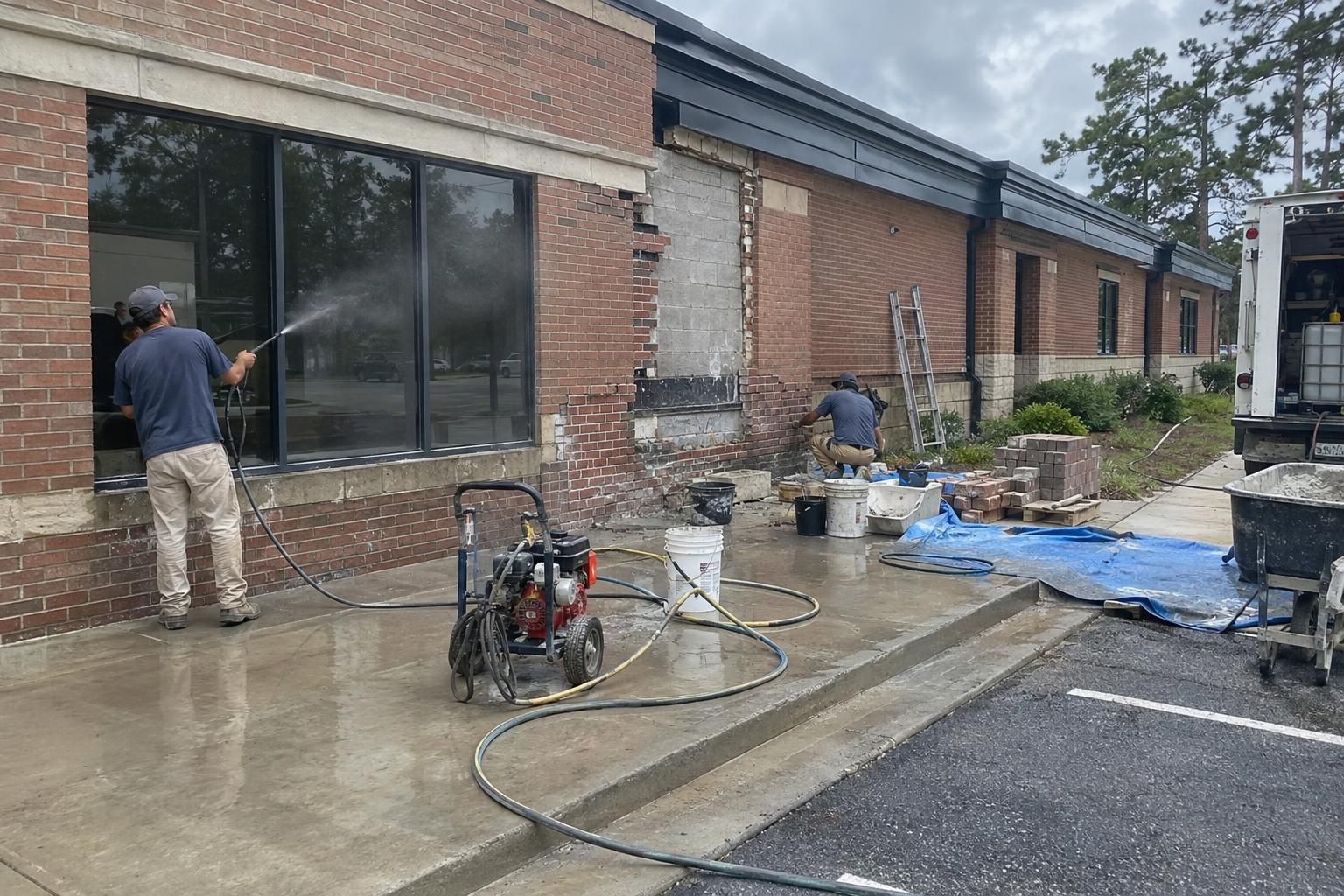
Investigation time comes first.
What drives the cost →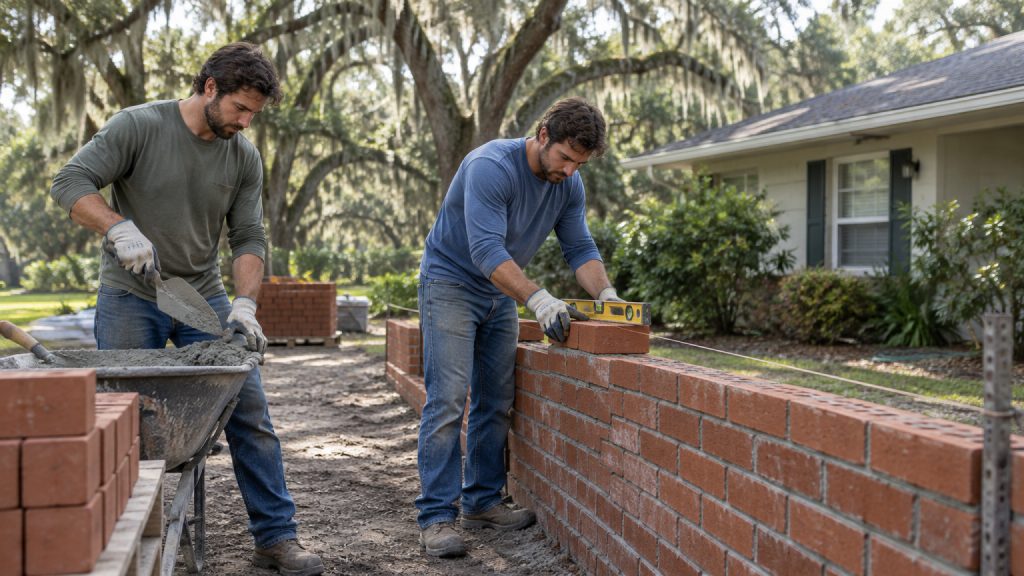
Free for property owners. No obligation.